


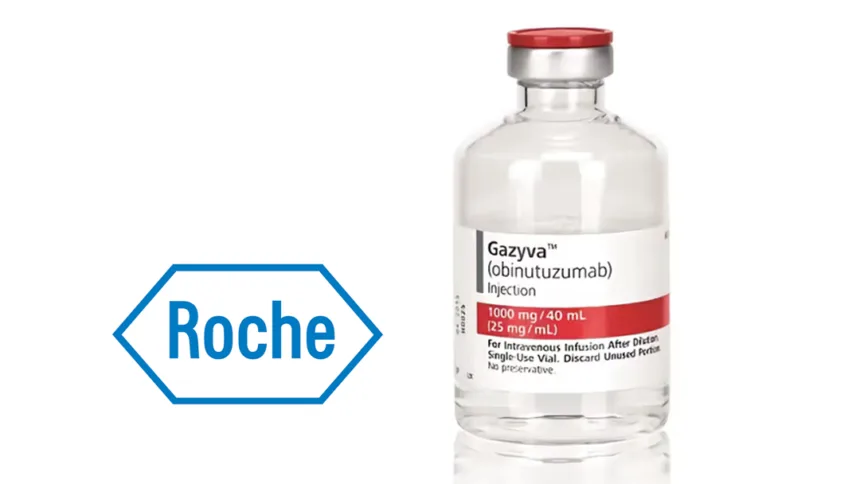
Roche (SWX: ROP; OTCMKTS: RHHBY) announced that the European Medicines Agency’s Committee for Medicinal Products for Human Use (CHMP) has recommended the approval of Gazyva/Gazyvaro (obinutuzumab) as an add‑on therapy for the treatment of adult patients with moderate‑to‑severe, active, autoantibody‑positive systemic lupus erythematosus (SLE) despite standard therapy. In addition, the U.S. Food and Drug Administration (FDA) accepted Roche’s supplemental Biologics License Application (sBLA) for Gazyva/Gazyvaro in SLE earlier this year – setting up a potential transatlantic label expansion for the anti‑CD20 antibody.
Regulatory Milestone
| Item | Detail |
|---|---|
| Agency | CHMP / EMA (European Union) |
| Opinion Type | Positive recommendation for approval |
| Product | Gazyva/Gazyvaro (obinutuzumab), humanised anti‑CD20 monoclonal antibody |
| Proposed Indication | Add‑on therapy for adults with moderate‑to‑severe, active, autoantibody‑positive SLE despite standard therapy |
| U.S. Status | FDA accepted sBLA in SLE earlier this year |
| Announcement Date | 13 November 2026 |
| Next Steps | European Commission final decision following the CHMP opinion; FDA review of the sBLA ongoing |
Drug Profile & Mechanism of Action
- Molecule: Obinutuzumab (Gazyva/Gazyvaro) – a humanised anti‑CD20 monoclonal antibody designed for direct B cell death, targeting the B‑cell–driven autoimmune pathology central to SLE.
- Existing Approvals: Approved for adults with lupus nephritis in more than 65 countries, and for idiopathic nephrotic syndrome in children and young adults in the U.S.
- Therapeutic Positioning: Proposed as add‑on therapy to standard treatment for patients with active autoantibody‑positive disease inadequately controlled on existing regimens.
Clinical Evidence – Phase III ALLEGORY Study
| Endpoint | Gazyva/Gazyvaro + Standard Therapy | Placebo + Standard Therapy | Difference |
|---|---|---|---|
| SRI‑4 Response at 52 Weeks (≥4‑point improvement in SLE Responder Index) | 76.7% | 53.5% | Adjusted difference 23.1% (95% CI: 12.5–33.6; p<0.001) |
| Safety | Well‑tolerated safety profile demonstrated in the study | – | – |
The positive recommendation is based on results from the Phase III ALLEGORY study, which demonstrated a statistically significant and clinically meaningful improvement in the primary endpoint: at 52 weeks, 76.7% of people treated with Gazyva/Gazyvaro plus standard therapy achieved at least a four‑point improvement in the SLE Responder Index (SRI‑4), compared with 53.5% on placebo plus standard therapy (adjusted difference 23.1%, 95% CI: 12.5–33.6, p<0.001). Gazyva/Gazyvaro demonstrated a well‑tolerated safety profile in the study.
Market Impact & Outlook
- Lupus Franchise Expansion: The CHMP recommendation would extend obinutuzumab from its established lupus nephritis franchise in more than 65 countries into the broader moderate‑to‑severe SLE population – a substantially larger autoimmune market with decades of limited therapeutic innovation.
- Best‑in‑Class Response Signal: A 23.1‑point adjusted difference in SRI‑4 response at 52 weeks represents one of the largest separation‑from‑placebo effects reported in recent SLE add‑on trials, strengthening Roche’s positioning in payer and guideline negotiations.
- Dual‑Market Momentum: With the FDA sBLA already accepted, Roche is positioned for potential near‑term synchronized U.S. and EU approvals, reinforcing obinutuzumab as a cornerstone of the company’s immunology portfolio alongside its nephrology and pediatric indications.
- Unmet Need Leverage: Autoantibody‑positive SLE patients failing standard therapy face high organ‑damage risk; a B‑cell–depleting add‑on with a well‑tolerated profile addresses a pivotal gap in the escalation pathway.
Forward‑Looking Statements
This brief contains forward‑looking statements regarding the regulatory review of Gazyva/Gazyvaro in SLE, the anticipated European Commission decision following the CHMP opinion, the FDA sBLA review timeline, and commercial expectations. Actual results may differ due to risks including final regulatory determinations, clinical outcomes, market adoption, reimbursement decisions, and competitive dynamics.-Fineline Info & Tech