



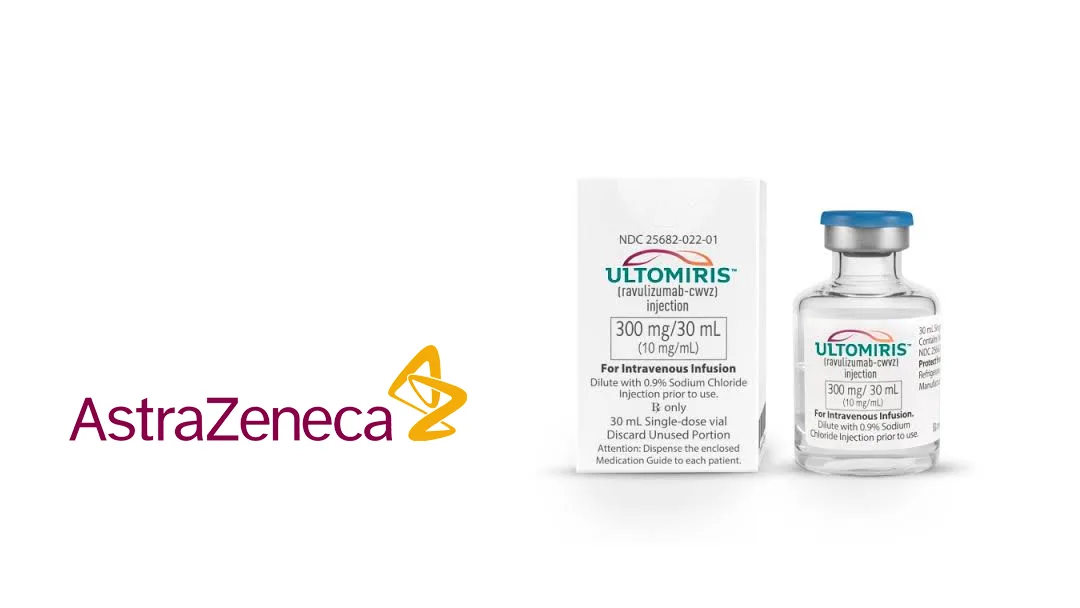
AstraZeneca plc (NYSE: AZN) announced that its ALXN1210-TMA-313 Phase III clinical trial failed to meet statistical significance for the primary endpoint of event-free survival through 26 weeks when comparing Ultomiris (ravulizumab) to placebo in adults and adolescents with thrombotic microangiopathy after haematopoietic stem cell transplant (HSCT-TMA).
Clinical Trial Results Overview
| Item | Detail |
|---|---|
| Company | AstraZeneca plc (NYSE: AZN) / Alexion, AstraZeneca Rare Disease |
| Drug Candidate | Ultomiris (ravulizumab) |
| Trial ID | ALXN1210-TMA-313 |
| Indication | HSCT-TMA in adults and adolescents (≥12 years) |
| Trial Design | Randomized, placebo-controlled Phase III |
| Primary Endpoint | Event-free survival through 26 weeks (time to TMA-related clinical worsening or death) |
| Result | Did not achieve statistical significance vs. placebo |
| Announcement Date | 29 Jul 2026 |
Drug Profile & Current Indications
- Mechanism: Longest-acting C5 complement inhibitor with extended dosing intervals
- Current Approvals:
- Paroxysmal nocturnal haemoglobinuria (PNH)
- Atypical haemolytic uraemic syndrome (aHUS)
- Generalised myasthenia gravis (gMG)
- Neuromyelitis optica spectrum disorder (NMOSD)
- Development Focus: Expanding into rare hematologic disorders including HSCT-TMA
Contrasting Pediatric Results
Despite the negative adult/adolescent data, pediatric outcomes remain promising:
- Trial: ALXN1210-TMA-314 open-label Phase III in pediatric patients
- 26-week Overall Survival: 87.2% (clinically meaningful)
- 52-week Overall Survival: 73.4%
- Regulatory Status: Alexion advancing regulatory filings for pediatric HSCT-TMA indication
This stark contrast between adult and pediatric populations suggests potential age-related differences in disease pathophysiology or treatment response mechanisms.
Strategic Implications
For AstraZeneca
- Pediatric Priority: Continued focus on pediatric HSCT-TMA regulatory submissions represents a viable commercial pathway
- Adult Strategy: Ongoing discussions with health authorities to interpret adult trial data and determine next steps
- Portfolio Impact: Ultomiris remains a key growth driver in AstraZeneca’s rare disease portfolio despite this setback
Market Context
- HSCT-TMA Burden: Thrombotic microangiopathy affects 10-35% of HSCT recipients with mortality rates up to 80%
- Unmet Need: No approved therapies currently exist for HSCT-TMA, representing significant unmet medical need
- Competitive Landscape: Limited competition in this ultra-rare indication, but high development risk due to patient heterogeneity
Forward Path
Alexion, AstraZeneca Rare Disease is maintaining its commitment to HSCT-TMA patients by:
- Continuing regulatory engagement for pediatric indication
- Conducting comprehensive data analysis of adult trial results
- Exploring potential biomarker-driven patient selection strategies for future studies
Forward‑Looking Statements
This brief contains forward-looking statements regarding clinical development, regulatory submissions, and commercial expectations. Actual results may differ due to regulatory decisions, competitive developments, and interpretation of clinical data.-Fineline Info & Tech