


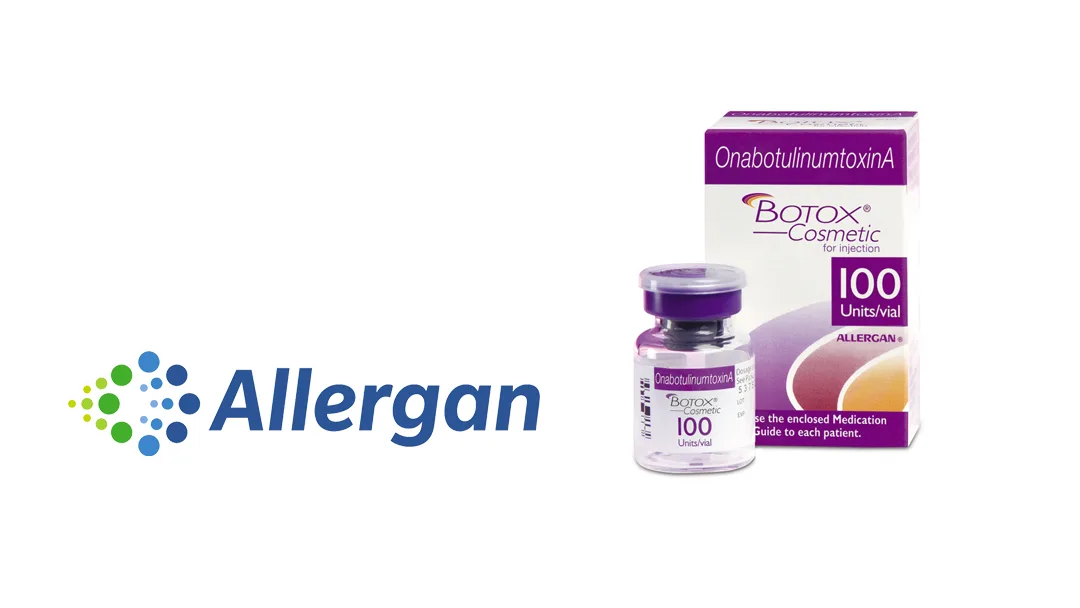
Allergan Aesthetics, a subsidiary of AbbVie (NYSE: ABBV), announced that the U.S. Food and Drug Administration (FDA) has accepted its supplemental Biologics License Application (sBLA) for BOTOX Cosmetic (onabotulinumtoxinA) for the temporary improvement in the appearance of marked to very marked masseter muscle prominence (MMP) associated with masseter muscle activity in adults. If approved, BOTOX Cosmetic would become the first and only neurotoxin indicated for this condition in the U.S.
Regulatory Milestone
| Item | Detail |
|---|---|
| Agency | U.S. FDA |
| Application Type | Supplemental Biologics License Application (sBLA) |
| Product | BOTOX Cosmetic (onabotulinumtoxinA) |
| Proposed Indication | Temporary improvement of marked to very marked masseter muscle prominence (MMP) |
| Target Population | Adults with MMP associated with masseter muscle activity |
| Market Status | Potential first-in-class neurotoxin indication for MMP in U.S. |
Clinical Evidence – Phase III Program
Study M21-416
- Primary Endpoint: Statistically significant improvement in MMP severity vs. placebo
- Statistical Significance: p=0.0046
- Study Design: Randomized, double-blind, placebo-controlled
Study M21-417
- Primary Endpoint: Statistically significant improvement in MMP severity vs. placebo
- Statistical Significance: p=0.0014
- Study Design: Randomized, double-blind, placebo-controlled
Safety Profile
- Consistency: Safety profile consistent with established BOTOX Cosmetic uses
- New Signals: No new safety signals identified
- Tolerability: Well-tolerated in adult population with MMP
Market Opportunity & Competitive Landscape
- Unmet Need: Currently no FDA-approved neurotoxin treatments specifically for masseter muscle prominence
- Off-Label Use: BOTOX Cosmetic currently used off-label by aesthetic practitioners for jaw slimming
- Market Validation: Formal indication would legitimize and expand clinical adoption
- Competitive Moat: First-mover advantage in regulatory approval creates significant barrier to entry
- Revenue Potential: Addresses growing demand for non-surgical facial contouring procedures
Strategic Implications for AbbVie/Allergan Aesthetics
- Portfolio Expansion: Extends BOTOX Cosmetic’s dominance beyond existing aesthetic indications
- Brand Reinforcement: Strengthens position as gold standard in neuromodulator market
- Commercial Leverage: Enables targeted marketing and physician education programs
- Pricing Power: Premium positioning supported by first-in-class regulatory status
- Global Pathway: U.S. approval may facilitate submissions in other international markets
Market Context & Consumer Trends
- Aesthetic Evolution: Shift toward comprehensive facial aesthetics beyond traditional forehead/wrinkle treatments
- Demographic Demand: Growing interest in jawline definition and facial contouring across diverse patient populations
- Social Media Influence: Increased awareness of facial aesthetics driven by digital platforms
- Non-Surgical Preference: Strong consumer preference for minimally invasive alternatives to surgical procedures
- Treatment Frequency: Potential for repeat treatments aligns with BOTOX Cosmetic’s established treatment paradigm
Forward Commercial Outlook
- Regulatory Timeline: Standard review period expected; potential approval in 2027
- Market Access: Immediate commercial launch capability through existing Allergan Aesthetics infrastructure
- Physician Education: Comprehensive training programs to support optimal treatment protocols
- Consumer Marketing: Targeted campaigns to raise awareness of FDA-approved indication
- Reimbursement Strategy: Self-pay aesthetic market with established pricing precedent
Forward‑Looking Statements
This brief contains forward-looking statements regarding regulatory approvals, market opportunities, and commercial potential. Actual outcomes may differ due to risks including final FDA decisions, competitive dynamics, and market adoption.-Fineline Info & Tech