


Jiangsu Hengrui Pharmaceuticals Co., Ltd. (SHA: 600276; HKG: 1276) announced that clinical trial applications for two innovative drug candidates have been approved by China’s National Medical Products Administration (NMPA): a clinical trial of SHR‑4595 for injection in patients with advanced solid tumors, and a Phase II clinical trial of HRS‑4729 injection for chronic kidney disease (CKD) – the latter a GLP‑1R/GIPR/GCGR triple agonist for which no similar drug has been approved for marketing in China or internationally.
Regulatory Milestone
| Item | Detail |
|---|---|
| Agency | NMPA (China) |
| Approvals Granted | Clinical trial applications for two innovative drugs |
| Asset 1 | SHR‑4595 for injection – clinical trial in advanced solid tumors |
| Asset 2 | HRS‑4729 injection – Phase II clinical trial in chronic kidney disease (CKD) |
| Announcement Date | 21 Sep 2026 |
| Sponsor | Jiangsu Hengrui Pharmaceuticals – both candidates independently developed |
| First‑in‑Class Status | No similar triple‑agonist drug approved for marketing in China or internationally, per company |
Drug Profile – SHR‑4595 for Injection (Oncology)
- Modality: A therapeutic biologic independently developed by Hengrui Pharmaceuticals.
- Mechanism: Designed to specifically bind to antigens on the surface of tumor cells and kill tumor cells, a targeted cytotoxic approach.
- Intended Indication: Treatment of advanced malignant solid tumors.
- Development Stage: Clinical trial cleared by the NMPA; target antigen and trial design details – not disclosed in the announcement.
Drug Profile – HRS‑4729 Injection (Nephrology/Metabolic)
- Modality: A peptide drug independently developed by Hengrui Pharmaceuticals.
- Target: A triple agonist of the glucagon‑like peptide‑1 receptor (GLP‑1R), glucose‑dependent insulinotropic polypeptide receptor (GIPR), and glucagon receptor (GCGR).
- Pharmacology: By activating GLP‑1R, GIPR and GCGR, HRS‑4729 exerts multiple effects in the body, including suppressing appetite, delaying gastric emptying, enhancing insulin sensitivity, and promoting lipolysis and energy expenditure.
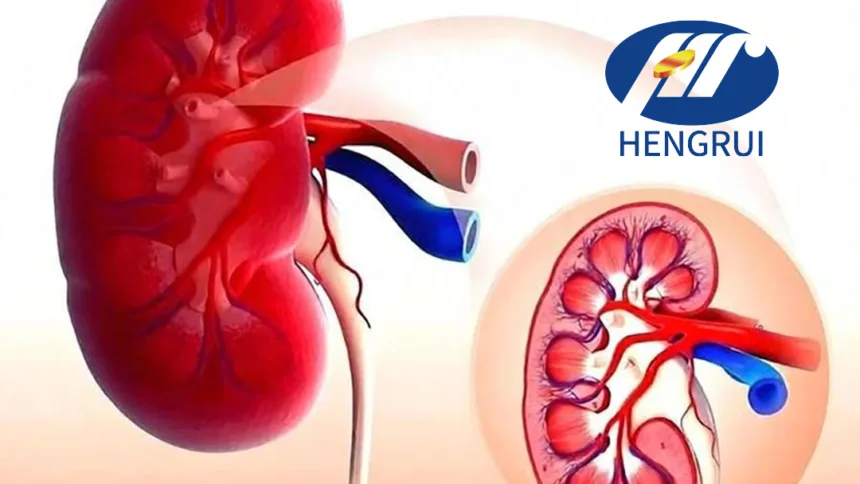
- Renal Rationale: Through weight loss, improved insulin resistance, and reduced ectopic renal fat, the triple‑target synergy is expected to lower renal metabolic burden, thereby improving renal function and ultimately treating chronic kidney disease.
- Competitive Position: No similar drug has been approved for marketing either in China or internationally, giving HRS‑4729 a potential first‑mover profile in triple‑agonist–based CKD therapy.
Market Impact & Outlook
- Pipeline Breadth: The dual clearance underscores Hengrui’s strategy of advancing first‑in‑class assets across both oncology and cardiometabolic–renal disease, the two largest therapeutic franchises in China’s innovative drug market.
- CKD Unmet Need: Chronic kidney disease affects a large and growing patient population in China, driven by diabetes and obesity epidemics; a GLP‑1R/GIPR/GCGR triple agonist positioned to improve renal function would address a market currently served mainly by supportive and off‑label therapies.
- Incretin Franchise Extension: HRS‑4729 extends the industry’s race from single‑ and dual‑agonist obesity drugs toward triple‑target peptides with organ‑specific indications, differentiating Hengrui from competitors focused on weight loss alone.
- Oncology Depth: SHR‑4595 adds another targeted biologic to Hengrui’s already deep oncology pipeline, reinforcing its position as China’s leading innovative cancer drug developer.
- Next Steps: Trial initiation timelines, dosing schedules, and enrollment targets for both programs – not disclosed; Phase II CKD readout timing will be a key catalyst to watch.
Forward‑Looking Statements
This brief contains forward‑looking statements regarding clinical development timelines, trial outcomes, and potential therapeutic benefits of SHR‑4595 and HRS‑4729. Actual results may differ materially due to risks including clinical trial performance, safety findings, regulatory determinations, and competitive dynamics.-Fineline Info & Tech