Sanofi and Regeneron Expand Alliance with $8B Next‑Generation Antibody Collaboration – Four Long‑Acting Type 2 Inflammation Programs Added Alongside Dupixent
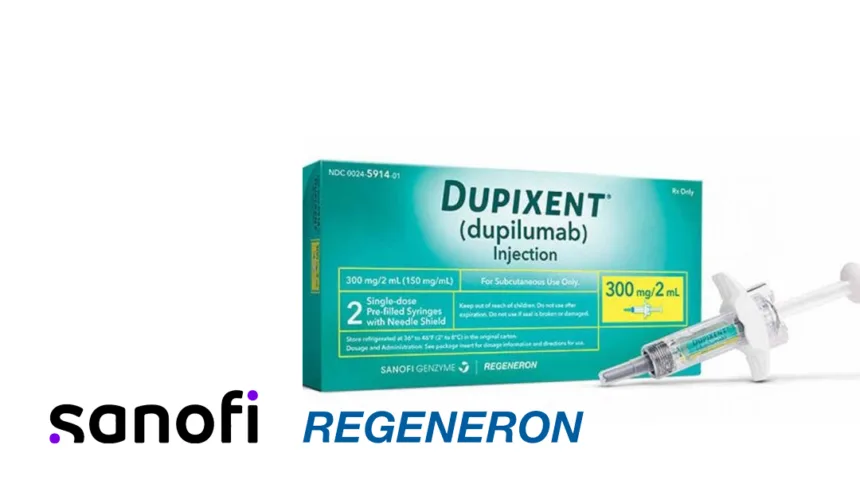
Sanofi (NASDAQ: SNY) and Regeneron Pharmaceuticals, Inc. (NASDAQ: REGN) announced a major expansion of their more than 20‑year antibody collaboration, adding four next‑generation, long‑acting antibodies targeting the type 2 inflammation pathway to the Alliance that jointly established Dupixent® (dupilumab) as the world‑leading treatment for type 2 inflammatory diseases. Under the expanded terms, Regeneron will receive an upfront payment of US$1 billion from Sanofi, with up to an additional US$7 billion in development, regulatory, and commercial milestone payments, bringing the total potential deal expansion value to approximately US$8 billion. The companies will share development and commercialization costs 50:50 and split future profits from new programs equally on a global basis.
Phase 3 clinical studies for chronic obstructive pulmonary disease (COPD)
Option Mechanism
Regeneron has the option to include lunsekimig in the collaboration, exercisable upon completion of Phase 3 studies
Strategic Significance
Would create a bispecific upstream + downstream cytokine blockade — simultaneously targeting TSLP (an epithelial alarmin) and IL‑13 (a key effector cytokine) in the type 2 inflammation cascade
Scientific Rationale – Next‑Generation Type 2 Inflammation Blockade
Dupixent Foundation: Dupixent® (dupilumab), an anti‑IL‑4Rα monoclonal antibody, is the cornerstone of the Sanofi–Regeneron alliance and the world’s leading biologic for type 2 inflammatory diseases, with approvals spanning atopic dermatitis, asthma, chronic rhinosinusitis with nasal polyposis (CRSwNP), eosinophilic esophagitis (EoE), prurigo nodularis, and COPD. Dupixent’s cumulative lifetime sales have established it as a blockbuster franchise generating >US$10 billion in annual revenue.
Next‑Generation Strategy: The four new antibodies represent a systematic expansion of the type 2 inflammation franchise beyond dupilumab, targeting multiple nodes in the IL‑4/IL‑13 signaling pathway with long‑acting formulations designed for improved dosing convenience (potentially reduced injection frequency) and sustained therapeutic exposure.
Target Diversification:
IL‑13 (REGN20423): Direct neutralization of IL‑13, a central effector cytokine in type 2 inflammation driving mucus hypersecretion, airway hyperresponsiveness, and tissue remodeling.
IL‑4 × IL‑13 Bispecific: Dual blockade of both IL‑4 and IL‑13 with a single molecule, potentially achieving more complete pathway suppression than single‑target agents.
IL‑4: Direct neutralization of IL‑4, which signals through both Type I and Type II receptors to drive Th2 cell differentiation, IgE class switching, and eosinophil recruitment.
IL‑4Rα: Targeting the shared receptor subunit used by both IL‑4 and IL‑13, analogous to dupilumab’s mechanism but with next‑generation long‑acting properties.
Long‑Acting Formulation Innovation: All four programs are designed as long‑acting antibodies, reflecting the industry trend toward extended half‑life biologics that reduce injection burden and improve patient adherence — a key competitive differentiator in chronic disease management where treatment duration spans years to decades.
Dupixent® Alliance Context
Collaboration Duration: More than 20 years — one of the most successful and enduring pharmaceutical alliances in modern history.
Dupixent Profit Sharing: The existing profit‑sharing agreement for Dupixent remains unchanged under the expanded collaboration, preserving the established economic framework for the franchise.
Global Commercial Reach: Dupixent is marketed in over 60 countries, with Sanofi leading global commercialization and Regeneron co‑commercializing in the United States.
Franchise Durability: The addition of next‑generation antibodies ensures that the Sanofi–Regeneron alliance maintains a continuous innovation pipeline within the type 2 inflammation space, defending against competitive entry and patent lifecycle challenges.
Market Impact & Outlook
$8B Expansion Signals Massive Conviction: At up to US$8 billion in total potential value, this expansion represents one of the largest collaboration expansions in the immunology/inflammation space, underscoring both companies’ conviction in the long‑term growth trajectory of the type 2 inflammation market beyond Dupixent’s current lifecycle.
Type 2 Inflammation – A Multi‑Billion Dollar Franchise: The global type 2 inflammation market — spanning dermatology, pulmonology, gastroenterology, and ENT — is estimated at >US$30 billion annually and growing, driven by expanding indications, increasing biologic penetration in emerging markets, and rising prevalence of atopic and allergic diseases worldwide.
Long‑Acting as Competitive Moat: The focus on long‑acting formulations across all four new programs is strategically significant — as biosimilar competition for dupilumab eventually emerges, next‑generation long‑acting antibodies with improved dosing convenience (e.g., quarterly or biannual injection) could provide a formulation‑based lifecycle management strategy that maintains patient loyalty and pricing power.
Lunsekimig Option – COPD Expansion Play: Regeneron’s option to include lunsekimig (anti‑TSLP/anti‑IL‑13 bispecific Nanobody) upon Phase 3 completion in COPD reflects the rapidly evolving COPD biologics landscape, where dupilumab’s recent COPD approval has validated the type 2 inflammation hypothesis in a disease area with ~300 million patients globally and historically limited biologic penetration.
Regeneron R&D Leadership: Regeneron’s role as R&D lead for all new programs leverages the company’s VelocImmune® and other proprietary antibody discovery platforms, ensuring that the collaboration continues to benefit from Regeneron’s industry‑leading biologics engineering capabilities.
Sanofi Commercial Scale: Sanofi’s global commercial infrastructure — spanning hospital, specialty pharmacy, and primary care channels across more than 100 countries — provides an unmatched platform for scaling new type 2 inflammation products once approved.
50:50 Economics – True Partnership: The equal cost‑sharing and profit‑split structure reinforces the genuinely collaborative nature of the alliance, distinguishing it from typical licensing deals where one party bears disproportionate risk. This alignment of incentives has been a key driver of the alliance’s 20‑year longevity.
Pipeline Depth and Timeline: With REGN20423 already in Phase 1 and three additional programs entering clinical studies in 2027, the collaboration is positioned for a steady cadence of clinical readouts from 2027 onward, providing ongoing catalysts for both companies.
Forward‑Looking Statements This brief contains forward‑looking statements regarding the expanded collaboration, clinical development timelines, regulatory pathways, and commercial expectations for the four new antibody programs and lunsekimig. Actual results may differ materially due to risks including clinical trial outcomes, dose‑finding results, regulatory review timelines, competitive dynamics in the type 2 inflammation therapeutic space (including emerging biosimilar competition for dupilumab), manufacturing scale‑up of long‑acting antibody formulations, market access and reimbursement negotiations, the exercise of the lunsekimig option, and the inherent uncertainties of biological drug development. Investors are advised to exercise caution.-Fineline Info & Tech
Insight, China's Pharmaceutical Industry Fineline Info & Tech is a comprehensive global pharmaceutical database that spans the entire product lifecycle. Its mission is to equip professionals and executives across all sectors of the life sciences industry with a standardized data language, offering a holistic view of the Chinese pharmaceutical competitive landscape. Flcube.com furnishes critical data essential for informed decision-making, drawing on global industry news, policy insights, competitive intelligence, and advanced analytical tools.