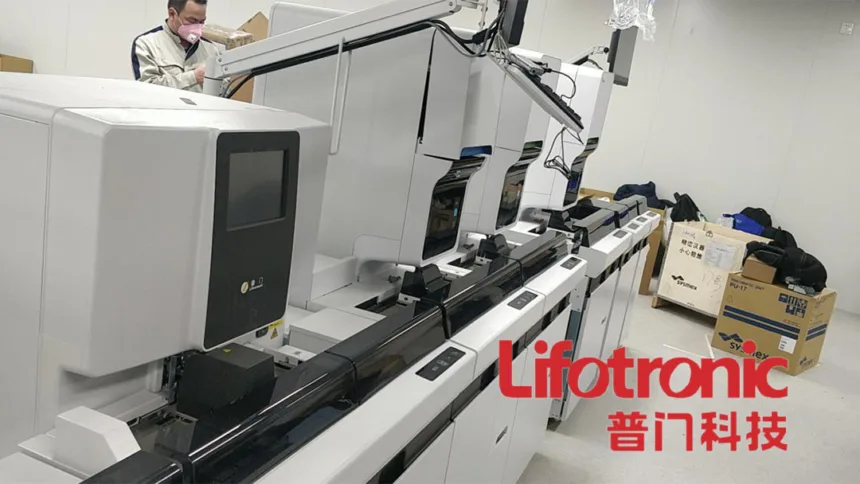
Shenzhen Lifotronic Technology Co., Ltd. (SHA: 688389) announced that its H100Plus Hemoglobin Testing System has received 510(k) clearance from the U.S. Food and Drug Administration (FDA) (510(k) No.: K260468), granting the Class II medical device market access in the United States for the in vitro quantitative measurement of glycated hemoglobin (HbA1c) in human whole blood to aid in diabetes diagnosis – a milestone that expands Lifotronic’s international footprint in the US$10+ billion global diabetes diagnostics market.
Regulatory Milestone
| Item | Detail |
|---|---|
| Agency | FDA (United States) |
| Clearance Type | 510(k) premarket notification |
| 510(k) Number | K260468 |
| Product | H100Plus Hemoglobin Testing System |
| Regulatory Class | Class II medical device |
| Clearance Date | 2 October 2026 |
| Intended Use | In vitro quantitative detection of HbA1c (glycated hemoglobin) in human whole blood, to aid in diabetes diagnosis |
| Market Access | United States – product may now be legally marketed and distributed |
Product Profile & Technical Specifications
- Product: H100Plus Hemoglobin Testing System – an integrated in vitro diagnostic (IVD) platform for HbA1c quantification
- Analyte: Glycated hemoglobin (HbA1c) – the gold‑standard biomarker for long‑term glycemic control assessment, reflecting average blood glucose levels over the preceding 2–3 months
- Sample Type: Human whole blood – compatible with standard venipuncture collection workflows
- Regulatory Classification: FDA Class II – subject to general controls and special controls including performance standards, post‑market surveillance, and adherence to recognized consensus standards
- Clinical Application: HbA1c testing is recommended by the American Diabetes Association (ADA) and international guidelines as a primary diagnostic criterion for diabetes (HbA1c ≥ 6.5%) and the cornerstone biomarker for monitoring glycemic control in diagnosed patients
Clinical Context – HbA1c Testing in Diabetes Management
| Parameter | Detail |
|---|---|
| Global Diabetes Prevalence | ~537 million adults (IDF, 2021); projected to reach 783 million by 2045 |
| U.S. Diabetes Prevalence | ~37.3 million Americans (~11.3% of population); ~96 million with prediabetes |
| HbA1c Diagnostic Role | ADA‑endorsed diagnostic criterion for diabetes and prediabetes; primary monitoring biomarker for all diabetes patients |
| Testing Frequency | 2–4 tests per year per diagnosed patient, depending on glycemic control status |
| Global HbA1c Testing Market | Estimated at US$2–3 billion annually, growing with diabetes prevalence and screening expansion |
HbA1c measurement is one of the highest‑volume clinical laboratory tests worldwide, driven by the escalating global diabetes epidemic and the increasing adoption of HbA1c as a first‑line diagnostic tool (replacing or supplementing fasting glucose and oral glucose tolerance tests). The test’s central role in both diagnosis and longitudinal monitoring creates a large, recurring demand base across hospitals, reference laboratories, point‑of‑care settings, and physician offices.
Market Impact & Outlook
- U.S. IVD Market Entry: FDA 510(k) clearance grants Lifotronic direct access to the world’s largest IVD market, where HbA1c testing volumes exceed hundreds of millions of tests annually across hospital, reference lab, and point‑of‑care channels. The clearance validates the H100Plus system’s analytical performance against FDA standards and its substantial equivalence to legally marketed predicate devices.
- Diabetes Diagnostics Growth Tailwinds: The U.S. HbA1c testing market is expanding due to rising diabetes and prediabetes prevalence, updated ADA screening guidelines recommending broader population testing, and the growing adoption of HbA1c as a diagnostic‑grade biomarker (not just a monitoring tool) – all of which increase total addressable testing volume.
- Competitive Positioning: The U.S. HbA1c testing market is served by major IVD companies including Abbott, Roche, Siemens Healthineers, Bio‑Rad, and Tosoh, among others. Lifotronic’s entry as a Chinese‑manufactured, cost‑competitive system could appeal to value‑sensitive segments including community hospitals, physician office laboratories, and emerging point‑of‑care testing environments.
- International Expansion Platform: The FDA 510(k) clearance adds to Lifotronic’s growing portfolio of international regulatory approvals, strengthening the company’s global IVD commercialization platform and supporting market access in countries that reference FDA clearance in their own registration processes.
- Lifotronic’s IVD Portfolio: The H100Plus system expands Lifotronic’s presence in chronic disease diagnostics, complementing the company’s established product lines in clinical chemistry, immunoassay, and other laboratory testing categories.
- Commercial Considerations: The company noted that actual U.S. sales performance will be influenced by overseas regulatory policies, market environment changes, distribution partnerships, pricing dynamics, and competitive conditions – factors that are standard for Chinese IVD companies entering the U.S. market.
- Next Steps: U.S. commercial launch timeline, distribution strategy, pricing, and partnership plans Not disclosed.
Forward‑Looking Statements
This brief contains forward‑looking statements regarding the commercialization, market adoption, and revenue potential of the H100Plus Hemoglobin Testing System in the United States. FDA 510(k) clearance does not guarantee commercial success. Actual outcomes may differ due to risks including market competition, distribution execution, reimbursement and pricing dynamics, regulatory compliance requirements, and the inherent uncertainties of international medical device commercialization.-Fineline Info & Tech