


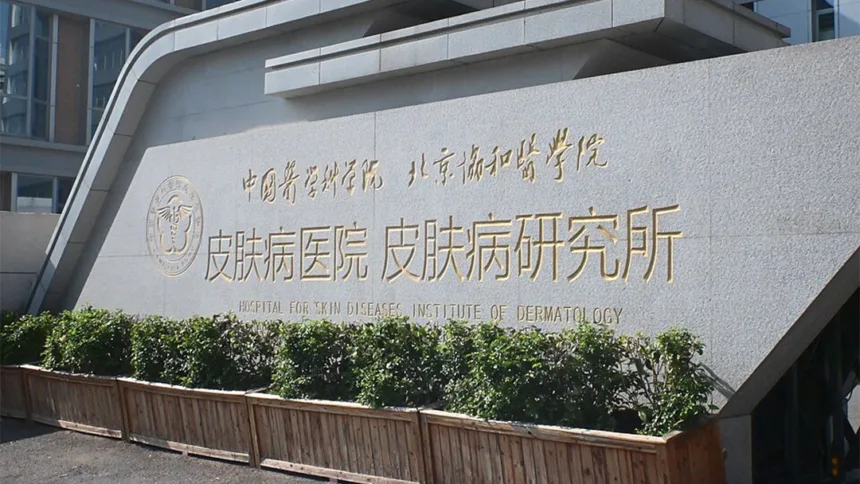
BioPartners X announced that it has entered into a technology transfer agreement with the Hospital of Dermatology, Chinese Academy of Medical Sciences (CAMS) for an innovative CD132‑targeting monoclonal antibody, with a total contract value of RMB 227 million. The asset is positioned to address autoimmune diseases, exemplified by systemic lupus erythematosus (SLE), where current therapies continue to fall short on efficacy and safety.
Transaction Milestone
| Item | Detail |
|---|---|
| Transferring Institution | Hospital of Dermatology, Chinese Academy of Medical Sciences (CAMS) |
| Agreement Type | Technology transfer |
| Asset | Innovative CD132‑targeting monoclonal antibody |
| Total Contract Value | RMB 227 million |
| Signing Date | 21 Oct 2026 |
| Development Stage | Not disclosed |
| Next Steps | Not disclosed – clinical development and commercialization plans pending future announcement |
Drug Profile & Mechanism of Action
- Molecule: Innovative monoclonal antibody (biologic), originated at the Hospital of Dermatology, CAMS and transferred to BioPartners X under the agreement.
- Target: CD132, also known as the common gamma chain (γc).
- Mechanistic Role: CD132 is a critical shared subunit of multiple cytokine receptors – including IL‑2, IL‑4, IL‑7, IL‑9, IL‑15, and IL‑21 – and plays an essential role in lymphocyte activation, survival, and the maintenance of immune homeostasis.
- Therapeutic Rationale: Because γc sits upstream of six key cytokine signaling pathways, modulating this node offers a differentiated approach versus single‑cytokine biologics in autoimmune disease. The precise mode of action (blocking vs. modulating) was not disclosed.
- Lead Indication: Autoimmune disease, with SLE cited as the representative clinical scenario.
Clinical Rationale & Unmet Need
| Dimension | Current Status |
|---|---|
| Standard of Care | Long‑term glucocorticoids and immunosuppressants |
| Safety Burden | Risks of infection, metabolic disorders, and organ toxicity with chronic use |
| Biologic Limitations | Overall response rates to existing biologics remain limited |
| Clinical Data for Asset | Not disclosed – no trial results reported in connection with the agreement |
Existing treatments for autoimmune diseases such as SLE continue to face significant clinical challenges, creating an urgent demand for novel therapeutic strategies that deliver both enhanced efficacy and favorable safety profiles – the positioning this CD132‑targeting antibody is intended to pursue.
Market Impact & Outlook
- Academia–Industry Commercialization: The RMB 227 million transaction underscores the accelerating transfer of Chinese public‑research assets into industry development pipelines, a trend particularly active in immunology and autoimmune innovation.
- Differentiated Target Landscape: With CD132/γc governing signaling of IL‑2, IL‑4, IL‑7, IL‑9, IL‑15, and IL‑21, the program may appeal as a broad immune‑modulating biologic rather than a narrow single‑pathway agent.
- Autoimmune Opportunity: SLE and related autoimmune conditions represent a substantial and growing therapeutic area in China, where patients on glucocorticoid‑heavy regimens are actively seeking safer, more effective biologic alternatives.
- Deal Economics: Milestone structure, royalty terms, and development timeline were not disclosed in the announcement.
Forward‑Looking Statements
This brief contains forward‑looking statements regarding the development, regulatory path, and commercial potential of the CD132‑targeting monoclonal antibody transferred under the BioPartners X–CAMS agreement. Actual results may differ materially due to risks including preclinical and clinical outcomes, regulatory review timelines, competitive dynamics, and commercialization execution.-Fineline Info & Tech