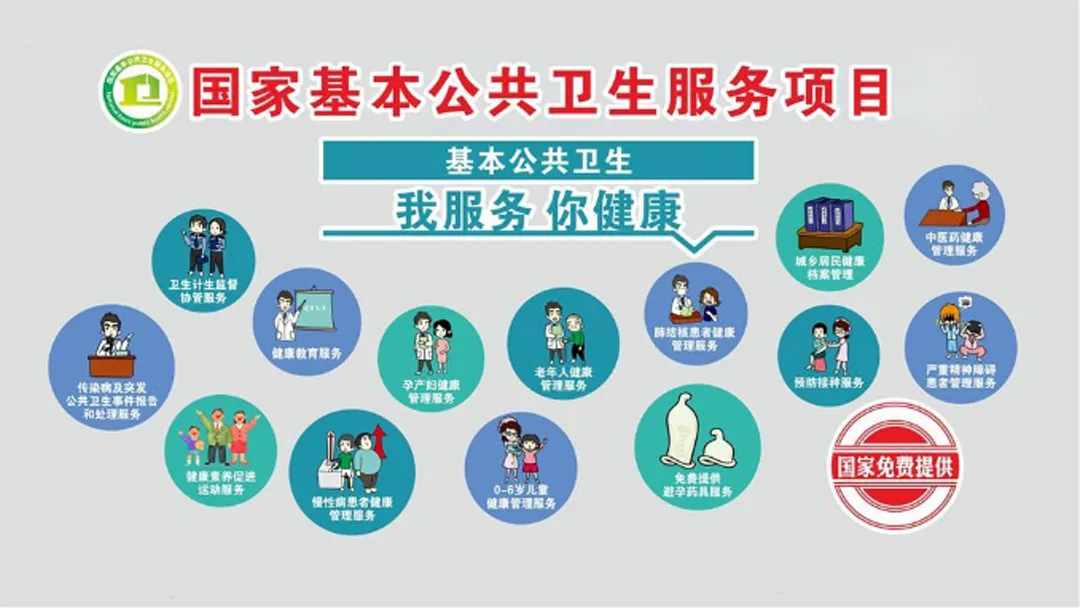
The National Health Commission issued Guiding Opinions on Strengthening Construction of Characteristic Departments in Primary Healthcare Institutions, requiring all qualifying primary care facilities to establish at least one characteristic department by 2030. The policy prioritizes pediatrics, gynecology, rehabilitation, psychiatry, and chronic disease management to improve grassroots healthcare accessibility.
Increased demand for chronic disease, pediatric, and respiratory drugs
¥100‑150 billion incremental sales potential
Strategic Implications
For Healthcare Providers:Standardized specialty development elevates primary care quality; urban hospital support ensures sustainable skill transfer; policy clarity reduces investment risk for private operators.
For Government: Addresses uneven resource distribution between urban/rural areas; supports Healthy China 2030 goals; creates measurable KPIs for grassroots healthcare strengthening.
For Investors:Long‑term policy visibility through 2030 enables strategic planning; priority disease areas (chronic disease, pediatrics) offer high‑growth markets; public‑private partnership models encouraged for facility construction and service delivery.
Forward‑Looking Statements This brief contains forward‑looking statements regarding policy implementation timelines, market size estimates, and infrastructure investment. Actual results may differ due to local execution capacity, fiscal constraints, or demographic shifts.-Fineline Info & Tech
Insight, China's Pharmaceutical Industry Fineline Info & Tech is a comprehensive global pharmaceutical database that spans the entire product lifecycle. Its mission is to equip professionals and executives across all sectors of the life sciences industry with a standardized data language, offering a holistic view of the Chinese pharmaceutical competitive landscape. Flcube.com furnishes critical data essential for informed decision-making, drawing on global industry news, policy insights, competitive intelligence, and advanced analytical tools.