
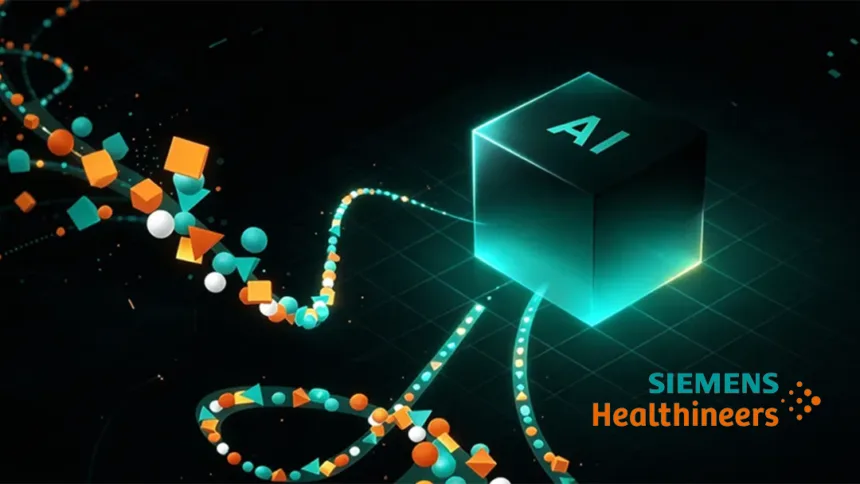
Siemens Healthineers AG (ETR: SHL) and NVIDIA announced a collaboration to jointly develop next‑generation adaptive radiotherapy technology. Combining agentic and robotic intelligence, the partnership merges imaging and oncology expertise with accelerated computing and simulation to streamline clinical workflows and expand access to care. Initial development efforts have identified three key directions: agentic AI in treatment planning, advanced patient simulation, and real‑time adaptive computing.
Collaboration Snapshot
| Item | Detail |
|---|---|
| Partners | Siemens Healthineers AG (ETR: SHL) and NVIDIA |
| Collaboration Type | Joint development partnership |
| Focus | Next‑generation adaptive radiotherapy technology |
| Core Capabilities Combined | Agentic and robotic intelligence; imaging and oncology expertise; accelerated computing and simulation |
| Stated Objectives | Streamline radiotherapy workflows; expand access to care |
| Key Development Directions | Agentic AI in treatment planning; advanced patient simulation; real‑time adaptive computing |
| Timeline / Commercial Terms | Not disclosed |
Technology Profile – Three Key Directions
- Agentic AI in Treatment Planning: Agentic AI systems that assist clinicians by evaluating treatment plans, executing computations, and performing other planning tasks while interacting directly with clinicians – shifting routine planning work from manual effort to AI‑assisted execution.
- Advanced Patient Simulation: Leverages patient‑specific digital twins to test treatment scenarios prior to the start of radiotherapy, enabling virtual rehearsal of therapy on a digital replica of the individual patient before a single dose is delivered.
- Real‑Time Adaptive Computing: Enables oncology teams to better respond to patients’ evolving conditions during treatment, adapting delivery in real time as anatomy and tumor status change – a core premise of the adaptive radiotherapy paradigm.
Market Impact & Outlook
- AI‑Driven Radiotherapy Transformation: Radiotherapy is among the most technology‑intensive cancer treatment modalities; embedding agentic AI, digital twins, and real‑time adaptive computing addresses long‑standing bottlenecks in planning time, personalization, and intra‑treatment responsiveness.
- Complementary Strengths: Siemens Healthineers contributes deep imaging and oncology expertise and installed clinical workflow presence, while NVIDIA contributes accelerated computing and simulation infrastructure – a pairing that spans the full stack from simulation to treatment execution.
- Access Expansion: By streamlining workflows, the partnership targets a structural constraint in global cancer care – limited radiotherapy capacity and specialist time – with potential to expand access to care in both developed and underserved settings.
- Next Steps: Initial development efforts are underway across the three identified directions; product roadmaps, clinical validation plans, regulatory pathways, and commercial timelines were not disclosed.
Forward‑Looking Statements
This brief contains forward‑looking statements regarding the Siemens Healthineers–NVIDIA collaboration, including anticipated capabilities of agentic AI treatment planning, patient‑specific digital twin simulation, and real‑time adaptive computing in radiotherapy. Actual results may differ materially due to risks including technology development and integration challenges, clinical validation outcomes, regulatory approvals, market adoption, and competitive dynamics.-Fineline Info & Tech