


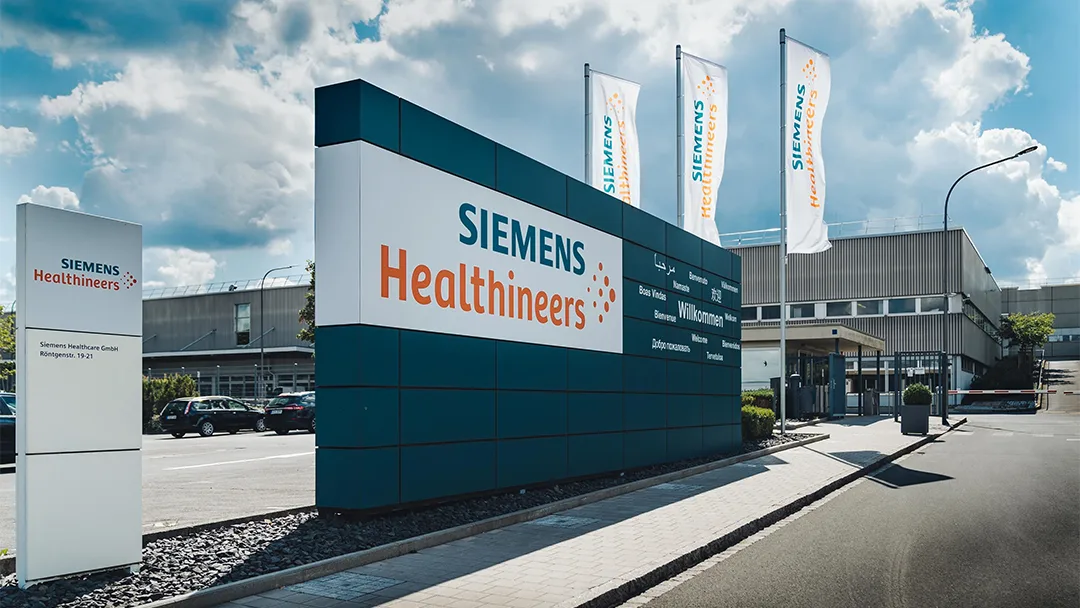
Siemens Healthineers (ETR: SHL) and Stryker (NYSE: SYK) today announced a strategic partnership to co‑develop a next‑generation robotic system for neurovascular interventions. The collaboration will target both elective and acute procedures, including acute ischemic stroke and brain aneurysm treatments, aiming to streamline workflows and elevate precision.
Key Collaboration Pillars
- Robotic system design – Joint engineering of a modular platform that can adapt to diverse neurovascular anatomies.
- Device integration – Seamless coupling of access catheters, embolic devices, and stents within a unified workflow.
- Imaging‑guided navigation – Real‑time integration of Siemens’ advanced imaging engines with Stryker’s robotic controls for sub‑millimetre accuracy.
- Workflow optimization – Development of a single‑pane interface that reduces the need for physicians to juggle multiple consoles during procedures.
Why It Matters
Neuro‑interventionalists routinely coordinate several tools—catheters, guidewires, imaging feeds—simultaneously, a complexity that can slow response times and increase procedural risk. By fusing robotics, imaging, and therapeutic devices into one ecosystem, the partnership promises:
- Enhanced surgical precision – Closed‑loop control and haptic‑feedback reduce operator error.
- Accelerated treatment times – Faster device deployment and reduced setup time translate to shorter ischemic windows.
- Improved physician ergonomics – Centralized controls lessen physical strain, potentially reducing fatigue‑related complications.
Commercial Outlook
The neurovascular robotics market is projected to surpass $10 billion by 2035. Siemens Healthineers’ imaging expertise combined with Stryker’s device portfolio positions the joint venture to capture a significant share of this high‑growth niche, especially as hospitals seek solutions that can improve outcomes for stroke and aneurysm patients while meeting tightening reimbursement criteria.-Fineline Info & Tech