



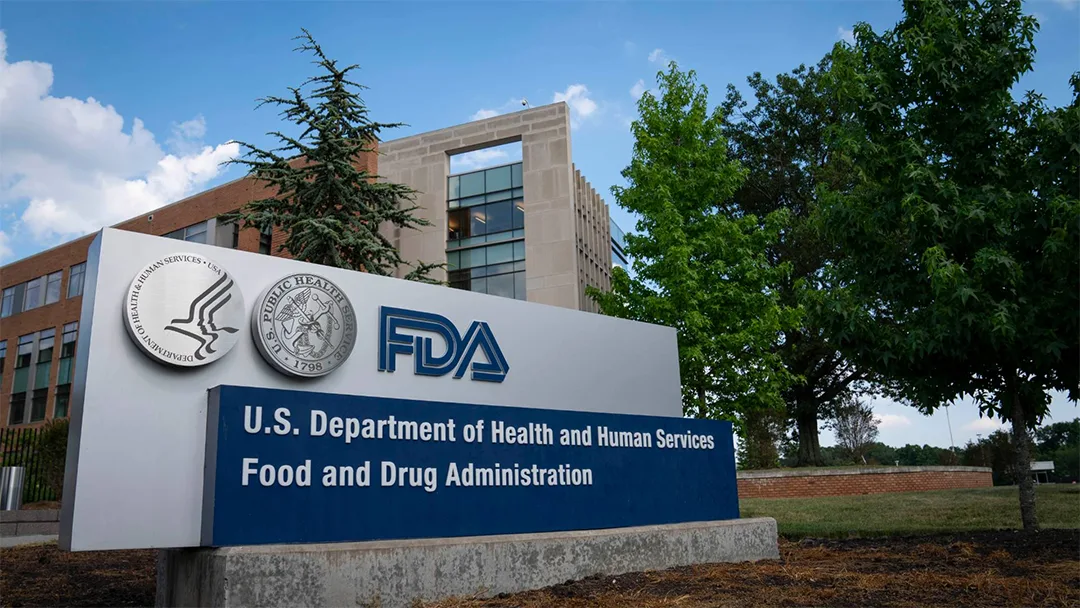
The U.S. Food and Drug Administration (FDA) released a draft guidance titled “Considerations for the Use of the Plausible Mechanism Framework to Develop Individualized Therapies that Target Specific Genetic Conditions with Known Biological Cause.” The document, open for public comment within 60 days, establishes a regulatory pathway enabling sponsors to generate substantial evidence of effectiveness and safety for targeted individualized therapies when randomized controlled trials (RCTs) are not feasible due to small patient populations.
Regulatory Development
| Item | Detail |
|---|---|
| Agency | U.S. Food and Drug Administration (FDA) |
| Document Type | Draft Guidance |
| Title | Considerations for the Use of the Plausible Mechanism Framework for Individualized Genetic Therapies |
| Release Date | 23 Feb 2026 |
| Public Comment Period | 60 days |
| Target Therapies | Genome editing, RNA‑based therapies (e.g., antisense oligonucleotides), and other modalities targeting specific genetic/cellular/molecular abnormalities |
| Key Innovation | Alternative evidence framework when RCTs are infeasible due to ultra‑rare disease prevalence |
Plausible Mechanism Framework – Key Criteria
| Criterion | Requirement |
|---|---|
| 1. Disease‑Causing Abnormality | Clear identification of the genetic, cellular, or molecular defect driving disease |
| 2. Target Engagement | Demonstration that therapy corrects or modifies the root cause or proximate biological pathway |
| 3. Natural History Data | Reliance on well‑characterized natural history data in untreated patient populations |
| 4. Target Drugging/Editing Confirmation | Evidence of successful target engagement at the molecular level |
| 5. Clinical Benefit Evidence | For traditional approval: improvement in clinical outcomes, disease course, or validated surrogate biomarkers predictive of clinical benefit |
Scope & Strategic Implications
- Therapeutic Modalities: The framework applies to genome editing (e.g., CRISPR‑based therapies) and RNA‑based therapeutics such as antisense oligonucleotides (ASOs), as well as other precision medicines designed to correct underlying disease causes.
- Ultra‑Rare Diseases: The guidance addresses the fundamental challenge of drug development for n‑of‑1 or ultra‑rare genetic conditions, where traditional RCTs are statistically or ethically impractical.
- Evidence Standards: Sponsors must demonstrate biological plausibility through mechanistic understanding, natural history comparisons, and molecular confirmation of target engagement—shifting emphasis from large‑scale trials to rigorous mechanistic validation.
- Regulatory Flexibility: The framework aligns with FDA’s broader patient‑centric and innovation‑friendly initiatives, potentially accelerating access to life‑saving therapies for patients with severe genetic disorders.
Market Impact
- Biotech Investment Signal: The draft guidance provides regulatory clarity for developers of personalized genetic medicines, potentially unlocking investment in ultra‑rare disease programs previously deemed commercially unviable.
- Platform Technology Enablers: Companies with genome editing (e.g., CRISPR Therapeutics, Editas, Intellia) and RNA‑targeting platforms (e.g., Ionis, Alnylam) may leverage the framework to streamline development of individualized therapies.
- Competitive Landscape: Early adopters of the plausible mechanism pathway could secure first‑mover advantages in niche genetic indications, establishing clinical and commercial footholds ahead of competitors.
Forward‑Looking Statements
This brief contains forward‑looking statements regarding the finalization of FDA guidance, regulatory acceptance of non‑traditional evidence packages, and commercial implications for individualized genetic therapies. Actual outcomes may differ based on public comment feedback, agency policy evolution, and clinical validation challenges.-Fineline Info & Tech