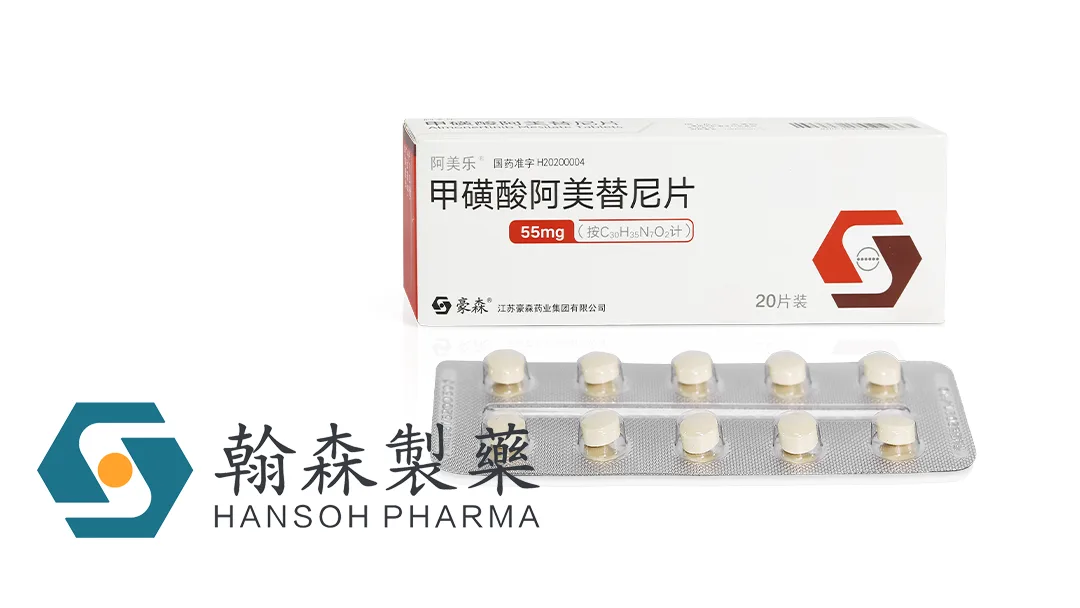
Hansoh Pharmaceutical Group Company Limited (HKG: 3692) announced that China’s National Medical Products Administration (NMPA) has accepted its New Drug Application (NDA) for the combination of mirdametinib and almonertinib mesylate tablets (Aumseqa). The dual‑target therapy is indicated for locally advanced or metastatic non‑small cell lung cancer (NSCLC) patients with EGFR mutations and MET amplification who have progressed after EGFR tyrosine kinase inhibitor (TKI) therapy.
China’s first domestically developed third‑gen EGFR‑TKI
Target
EGFR mutations including T790M resistance
Origin
Hansoh Pharma proprietary pipeline
Mechanistic Rationale
Pathway
Target
Therapeutic Role
EGFR Signaling
Almonertinib
Inhibits primary driver mutation and resistance mechanisms
MET Amplification
Mirdametinib
Blocks bypass signaling pathway driving acquired resistance to EGFR‑TKIs
Combined Effect
Dual inhibition
Addresses co‑occurring EGFR/MET alterations in TKI‑resistant NSCLC
Strategic Implications
Resistance Mechanism Targeting:MET amplification is a major acquired resistance mechanism to third‑generation EGFR‑TKIs (osimertinib, almonertinib); the combination addresses this unmet need in progressive disease.
Domestic Innovation Showcase: Both assets are self‑developed by Hansoh, demonstrating China’s end‑to‑end oncology drug development capabilities from discovery to NDA.
First‑Gen Chinese EGFR‑TKI: Almonertinib’s status as China’s first domestically developed third‑gen EGFR‑TKI supports national pride and potential formulary preference.
Combination Differentiation: While competitors pursue EGFR/MET bispecific antibodies, Hansoh’s small‑molecule combination offers oral convenience and established manufacturing scalability.
Market Context
Factor
Impact
EGFR‑Mutant NSCLC Prevalence
~ 40% of Asian NSCLC patients; MET amplification in ~ 5‑10% of EGFR‑TKI resistant cases
Resistance Challenge
50‑60% of osimertinib‑resistant patients develop bypass mechanisms; MET is actionable target
Competitive Landscape
Amivantamab (J&J) approved for EGFR/MET; small‑molecule combinations may offer dosing flexibility
Hansoh Pipeline Depth
NDA acceptance validates Hansoh’s oncology platform beyond established diabetes and CNS franchises
Forward‑Looking Statements This brief contains forward‑looking statements regarding NMPA review timelines, approval expectations, and commercial potential for the mirdametinib + almonertinib combination. Actual results may differ due to risks including regulatory review outcomes, competitive bispecific antibody launches, and combination toxicity profiles.-Fineline Info & Tech
Insight, China's Pharmaceutical Industry Fineline Info & Tech is a comprehensive global pharmaceutical database that spans the entire product lifecycle. Its mission is to equip professionals and executives across all sectors of the life sciences industry with a standardized data language, offering a holistic view of the Chinese pharmaceutical competitive landscape. Flcube.com furnishes critical data essential for informed decision-making, drawing on global industry news, policy insights, competitive intelligence, and advanced analytical tools.