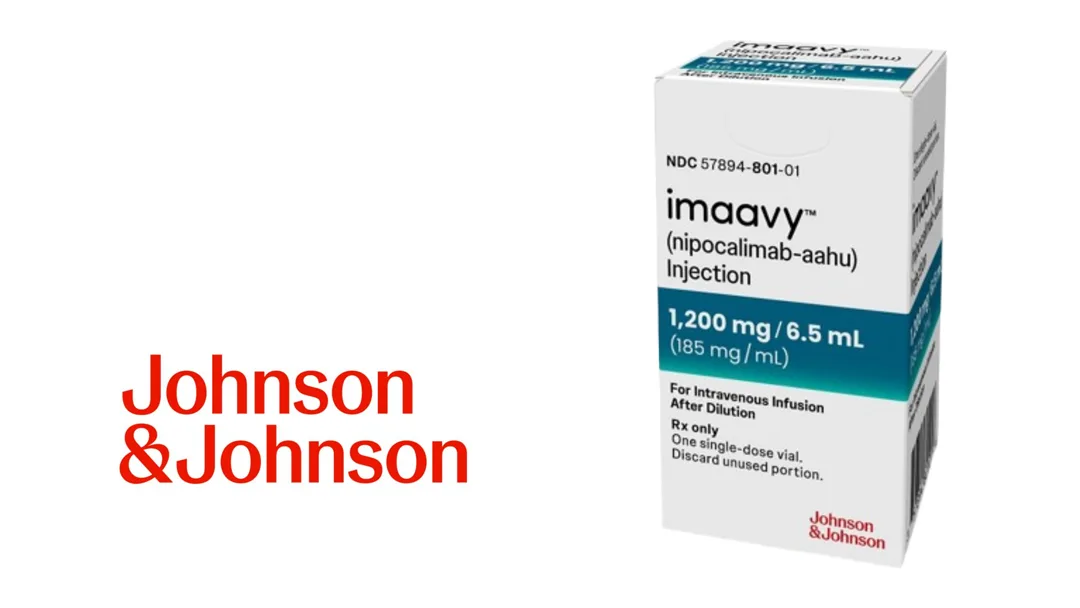
Johnson & Johnson (J&J, NYSE: JNJ) announced that its investigational drug nipocalimab has received Fast Track designation from the U.S. Food and Drug Administration (FDA) for the treatment of adult patients with systemic lupus erythematosus (SLE). The FcRn (neonatal Fc receptor) blocker represents a novel immunoselective approach to autoantibody‑driven diseases, with ongoing development across rheumatology, rare autoantibody disorders, and maternal‑fetal medicine.
Preserves essential immune function while targeting pathogenic antibodies
Development Portfolio – Three Key Areas
Therapeutic Area
Focus
Example Indications
1. Rheumatologic Diseases
Autoimmune joint and connective tissue disorders
SLE, rheumatoid arthritis, myositis
2. Rare Autoantibody Diseases
Ultra‑rare conditions driven by specific autoantibodies
Myasthenia gravis, pemphigus, CIDP
3. Maternal‑Fetal Diseases
Pregnancy complications mediated by maternal alloantibodies
Fetal/neonatal alloimmune thrombocytopenia, hemolytic disease of fetus and newborn
Strategic Implications
FcRn Target Validation: Nipocalimab’s Fast Track designation validates FcRn blockade as a viable SLE mechanism, joining argenx’s efgartigimod in the emerging IgG‑lowering therapeutic class with potential disease‑modifying effects.
Immunoselective Advantage: Unlike B‑cell depleting therapies (rituximab) that broadly suppress immunity, FcRn blockade selectively reduces IgG while preserving IgM, IgA, and cellular immunity—potentially safer for chronic autoimmune management.
Platform Expansion: The three‑pillar development strategy (rheumatology, rare disease, maternal‑fetal) maximizes FcRn biology applicability across high‑value, underserved populations, creating multiple blockbuster opportunities.
Maternal‑Fetal Differentiation: The maternal‑alloantibody indication is unique to nipocalimab—addressing pregnancy complications with no approved therapies, potentially transforming perinatal care and establishing J&J leadership in this niche.
Market Context
Factor
Impact
SLE Market Size
~ $3 billion globally; dominated by belimumab (GSK) and off‑label rituximab; high unmet need for steroid‑sparing, convenient therapies
FcRn Competitive Landscape
Argenx’s Vyvgart (efgartigimod) approved for myasthenia gravis and CIDP; nipocalimab competes for SLE and maternal‑fetal differentiation
Autoantibody Mechanism Trend
Growing recognition that IgG autoantibodies drive pathology in diverse diseases; FcRn blockade offers broad mechanism applicability
J&J Immunology Build
Nipocalimab complements Tremfya (IL‑23) and Stelara (IL‑12/23) franchises; creates antibody‑mediated disease specialty within immunology
Forward‑Looking Statements This brief contains forward‑looking statements regarding Phase III SLE enrollment, maternal‑fetal indication development, and regulatory submission timelines for nipocalimab. Actual results may differ due to risks including competitive efgartigimod advancement, pregnancy trial complexity, and long‑term IgG lowering safety monitoring.-Fineline Info & Tech
 By Fineline Cube