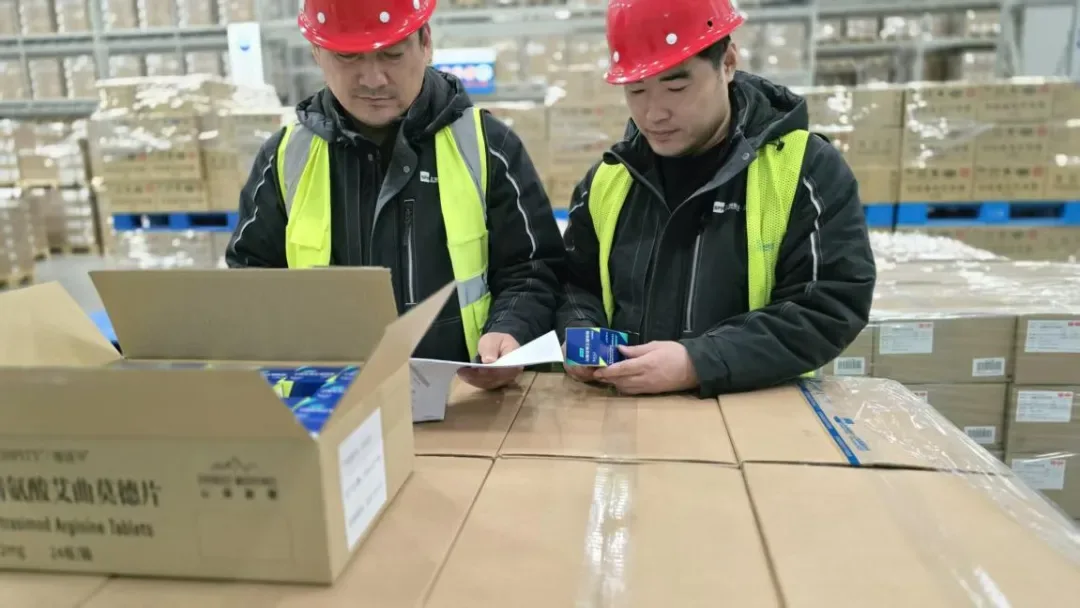
Everest Medicines (HKG: 1952) announced the formal commercial launch of Etrasimod, with the first prescription issued on the same day, marking the China market entry of the next-generation sphingosine-1-phosphate (S1P) receptor modulator. The drug, which received NMPA approval in February 2026 for moderately to severely active ulcerative colitis (UC), represents Everest’s first commercialized asset from its 2017 Arena Pharmaceuticals partnership, positioning the company to capture share of China’s rapidly expanding inflammatory bowel disease market.
Launch Milestone
Element
Detail
Product
Etrasimod
Drug Class
Next-generation S1P receptor modulator (S1P1,4,5)
Developer
Arena Pharmaceuticals (acquired by Pfizer 2022)
China Rights
Everest Medicines – exclusive development, manufacturing, commercialization in Greater China and South Korea (2017 agreement)
NMPA Approval
February 2026
Indication
Moderately to severely active ulcerative colitis (inadequate response/intolerance to conventional therapy or biologics)
Launch Date
9 Mar 2026 (first prescription issued)
Sponsor
Everest Medicines (HKG: 1952)
Product Profile & Differentiation
Attribute
Etrasimod Specification
Target
Sphingosine-1-phosphate receptors 1, 4, and 5 (S1P1,4,5)
Mechanism
Sequesters lymphocytes in lymph nodes; reduces circulating autoreactive T-cells in gut mucosa
Pharmacological Design
Optimized selectivity vs. first-gen S1P modulators
Route
Oral once-daily
Differentiation
No requirement for first-dose cardiac monitoring (vs. fingolimod); rapid onset; improved lymphocyte recovery profile
Competitive Positioning vs. Standard of Care:
Parameter
Etrasimod
Conventional Therapy
Biologics (anti-TNF, vedolizumab)
Mechanism
S1P1,4,5 modulation
5-ASA, immunosuppressants
Systemic/integrin-targeted biologics
Administration
Oral, no infusion
Oral/topical
IV/SC injection
Safety Profile
No cardiac monitoring; manageable lymphopenia
GI intolerance, nephrotoxicity
Immunosuppression, infusion reactions
Positioning
Bio-naïve and bio-failure patients
First-line maintenance
Moderate-severe, hospitalization risk
Market Context & Commercial Strategy
Factor
Strategic Implication
China UC Market
400,000+ diagnosed patients; 10% annual growth; biologic penetration <15% vs. 40%+ in U.S./EU
Unmet Need
Significant patient population with inadequate response to 5-ASA or intolerance to anti-TNF therapy
Pricing Strategy
Expected NRDL negotiation 2026-2027; premium positioning justified by oral convenience vs. biologics
Pfizer Synergy
Global Arena acquisition validates etrasimod mechanism; Everest retains China commercial independence
NRDL Negotiation: 2026-2027 national reimbursement list inclusion critical for volume expansion
Crohn’s Expansion: Phase III data anticipated 2027; label extension doubles addressable IBD population
South Korea Launch: Parallel regulatory pathway; 2026-2027 commercialization anticipated
Forward‑Looking Statements This brief contains forward‑looking statements regarding commercial launch performance, reimbursement negotiations, and pipeline expansion for etrasimod in Greater China. Actual results may differ due to competitive dynamics with biologics, pricing regulations, and manufacturing scale-up.-Fineline Info & Tech
 By Fineline Cube