 By Fineline Cube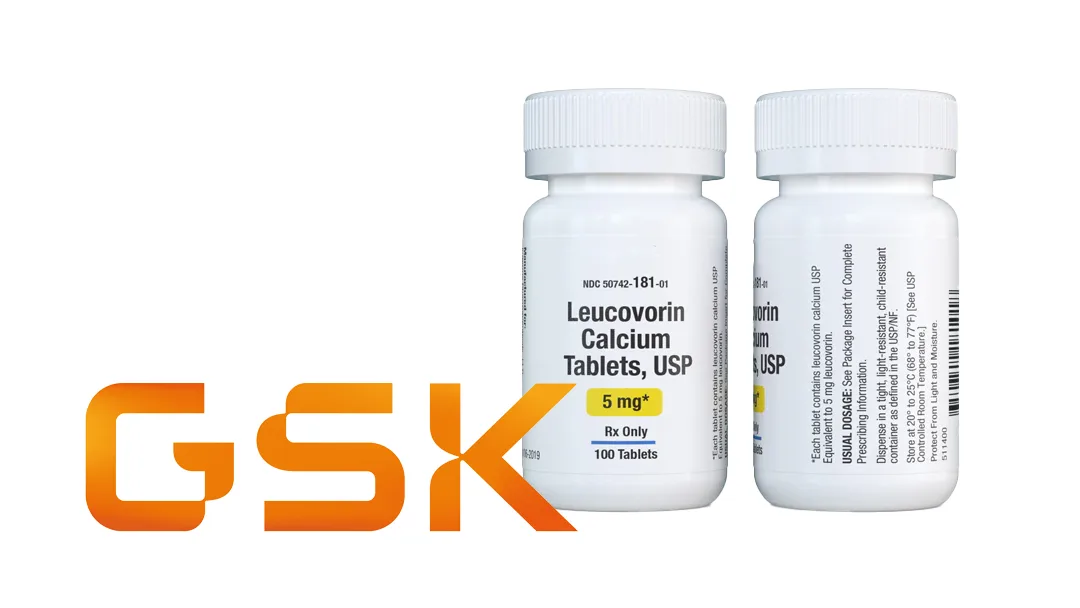
The U.S. Food and Drug Administration (FDA) approved expanded use of GlaxoSmithKline’s (GSK, NYSE: GSK) Wellcovorin (leucovorin calcium) tablets for the treatment of cerebral folate deficiency (CFD) in adult and pediatric patients with confirmed variants in the folate receptor 1 gene (CFD-FOLR1). The approval, based on systematic literature review including published case reports and mechanistic data, marks the first FDA-approved therapy for this ultra-rare neurological disorder characterized by severe developmental delays, movement disorders, seizures, and other serious complications due to impaired brain folate transport.
Regulatory Milestone
| Item | Detail |
|---|---|
| Agency | U.S. Food and Drug Administration (FDA) |
| Approval Type | Label expansion (new indication) |
| Product | Wellcovorin (leucovorin calcium) tablets |
| New Indication | Cerebral folate deficiency (CFD) – FOLR1 variant |
| Patient Population | Adult and pediatric patients with confirmed CFD-FOLR1 |
| Prior Approvals | Folinic acid rescue after high-dose methotrexate; colorectal cancer adjuvant therapy |
| Approval Basis | Systematic literature review; published case reports; mechanistic data (no new clinical trials) |
| Significance | First FDA-approved treatment for CFD-FOLR1 |
| Approval Date | 10 Mar 2026 |
Disease Profile & Unmet Need
| Attribute | Cerebral Folate Deficiency (CFD-FOLR1) Specification |
|---|---|
| Mechanism | Genetic variants in FOLR1 gene impair folate receptor alpha function |
| Pathophysiology | Disrupted active transport of folate across blood-brain barrier |
| Clinical Manifestations | • Severe developmental delays • Movement disorders (dystonia, ataxia) • Seizures • Other serious neurological complications |
| Prevalence | Ultra-rare; exact incidence unknown; estimated <1,000 U.S. patients |
| Prior Treatment | No FDA-approved options; off-label folinic acid/leucovorin used empirically |
| Diagnostic Challenge | Requires genetic confirmation; often misdiagnosed as cerebral palsy or mitochondrial disorders |
Product Profile & Mechanism
| Attribute | Wellcovorin (Leucovorin Calcium) Specification |
|---|---|
| Drug Class | Folinic acid (5-formyltetrahydrofolate) – active folate metabolite |
| Mechanism in CFD | Bypasses defective FOLR1-mediated transport; provides bioavailable folate for CNS metabolism |
| Formulation | Oral tablets |
| Route Advantage | Oral vs. intrathecal folate injections (previously required in severe cases) |
| Safety Profile | Well-established; decades of use in oncology and methotrexate rescue |
Strategic Context & Market Impact
| Factor | Implication |
|---|---|
| Orphan Drug Dynamics | Ultra-rare indication supports premium pricing; potential priority review voucher eligibility |
| Literature-Based Approval | FDA leveraging real-world evidence and mechanistic rationale accelerates access for desperate patients |
| GSK Rare Disease | Expands neurology/metabolic franchise; complements gene therapy pipeline |
| Patient Advocacy | First approved therapy validates patient/family advocacy efforts; diagnostic testing likely to increase |
| Global Expansion | EMA, PMDA filings anticipated; Orphan Drug Designation in other regions probable |
Regulatory Precedent
| Aspect | Significance |
|---|---|
| Evidence Standard | Systematic literature review + case series sufficient for approval in ultra-rare, life-threatening conditions |
| Mechanistic Rationale | Strong biological plausibility (folate bypass) supported approval without controlled trials |
| FDA Flexibility | Demonstrates willingness to approve based on natural history data and treatment response in rare diseases |
| Template for Future | May accelerate approvals for other metabolic disorders with clear mechanistic targets |
Forward‑Looking Statements
This brief contains forward‑looking statements regarding commercial launch execution, pricing strategy, and global regulatory expansion for Wellcovorin in cerebral folate deficiency. Actual results may differ due to diagnostic testing rates, reimbursement negotiations, and competitive dynamics in the rare disease metabolic space.-Fineline Info & Tech