


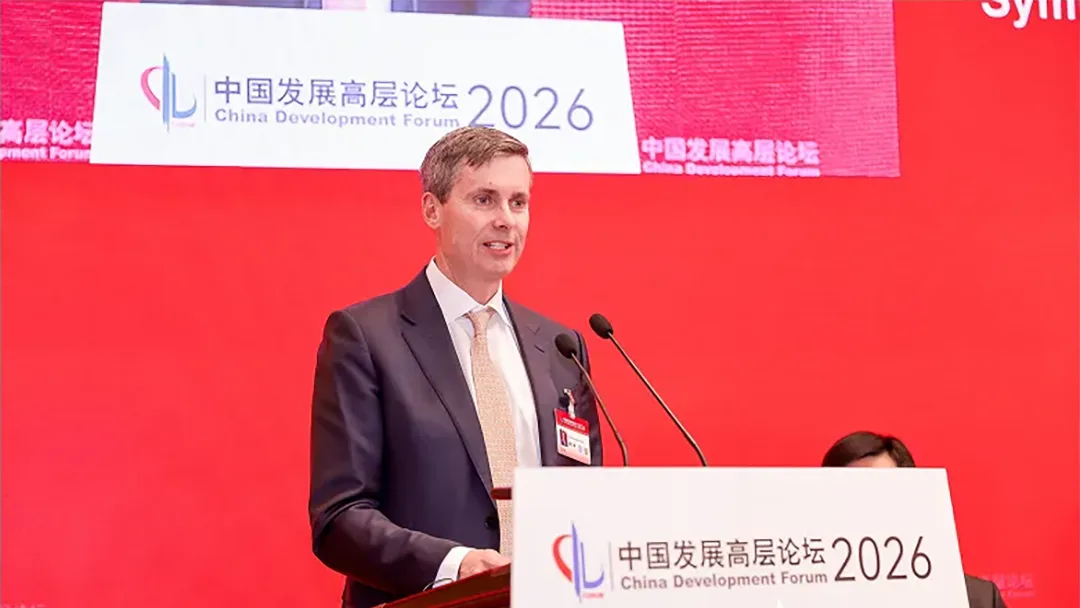
Eli Lilly and Company (NYSE: LLY) submitted a comprehensive policy recommendation paper at the China Development Forum (CDF) 2026, calling for the integration of weight management as a key focus of China’s “15th Five‑Year Plan” and advocating for expanded access to innovative obesity medications through National Essential Medicines List (NEML) inclusion and National Reimbursement Drug List (NRDL) coverage – a strategic push to build sustainable obesity treatment ecosystem in the world’s second‑largest pharmaceutical market.
Policy Recommendation Framework
| Pillar | Lilly Proposal | Strategic Objective |
|---|---|---|
| 1. Policy Prioritization | Integrate weight management into “15th Five‑Year Plan”; formulate long‑term implementation strategies; increase sustained investment | Elevate obesity to national health priority; secure government funding commitment |
| 2. Clinical Value & Access | Recognize pharmacological intervention value; include innovative obesity medications in NEML; extend weight management services to primary healthcare | Expand market access beyond tertiary hospitals; enable primary care prescribing |
| 3. Affordability & Reimbursement | Gradually include obesity therapies in NRDL; explore innovative payment mechanisms | Reduce patient out‑of‑pocket burden; improve treatment adherence and volume |
Current Market Context
| Dimension | Status Quo | Lilly Policy Target |
|---|---|---|
| Obesity Medication Reimbursement | Not covered under China’s basic medical insurance | NRDL inclusion for GLP‑1/GIP therapies |
| Weight Management Infrastructure | Fragmented; limited primary care integration | National strategy with primary care service extension |
| Pharmacotherapy Recognition | Lifestyle intervention prioritized; drug therapy stigmatized | Evidence‑based pharmacological intervention validated |
| Market Access | Hospital‑centric; limited rural/primary care reach | NEML inclusion enables community health center distribution |
Strategic Implications & Market Impact
- China Obesity Epidemic: 150+ million obese adults (BMI ≥30); 400+ million overweight (BMI 25‑30); obesity‑related diseases (diabetes, cardiovascular, cancer) drive 15‑20% of healthcare expenditure – compelling economic case for preventive pharmacological intervention.
- Lilly Commercial Positioning: Tirzepatide (Zepbound/Mounjaro) and retatrutide (triple agonist, Phase III) positioned for premium pricing (~RMB1,000‑2,000/month) vs. current out‑of‑pocket market; NRDL inclusion would expand addressable market 3‑5x by reducing patient cost burden to RMB200‑400/month.
- Policy Advocacy Timing: “15th Five‑Year Plan” (2026‑2030) formulation ongoing; CDF platform provides high‑level government engagement opportunity; Lilly’s recommendations align with Beijing’s “Healthy China 2030” chronic disease prevention priorities.
- Competitive Dynamics: Novo Nordisk (Wegovy/Ozempic) similarly pursuing China reimbursement; first‑mover advantage in policy shaping may influence NRDL negotiation terms, indication prioritization, and primary care distribution rights; both companies likely to accept significant price discounts (50‑70%) for volume access.
- Ecosystem Building: “Sustainable weight management ecosystem” framing positions Lilly as public health partner vs. pure commercial vendor; primary care integration proposal addresses government healthcare reform priorities (reducing tertiary hospital congestion); potential for public‑private partnership pilots in GBA or pilot cities.
Forward‑Looking Statements
This brief contains forward‑looking statements regarding policy influence timelines, reimbursement negotiation outcomes, and market expansion expectations for Lilly’s obesity portfolio in China. Actual results may differ due to government policy decisions, competitive dynamics with Novo Nordisk, and pricing concession requirements for NRDL access.-Fineline Info & Tech