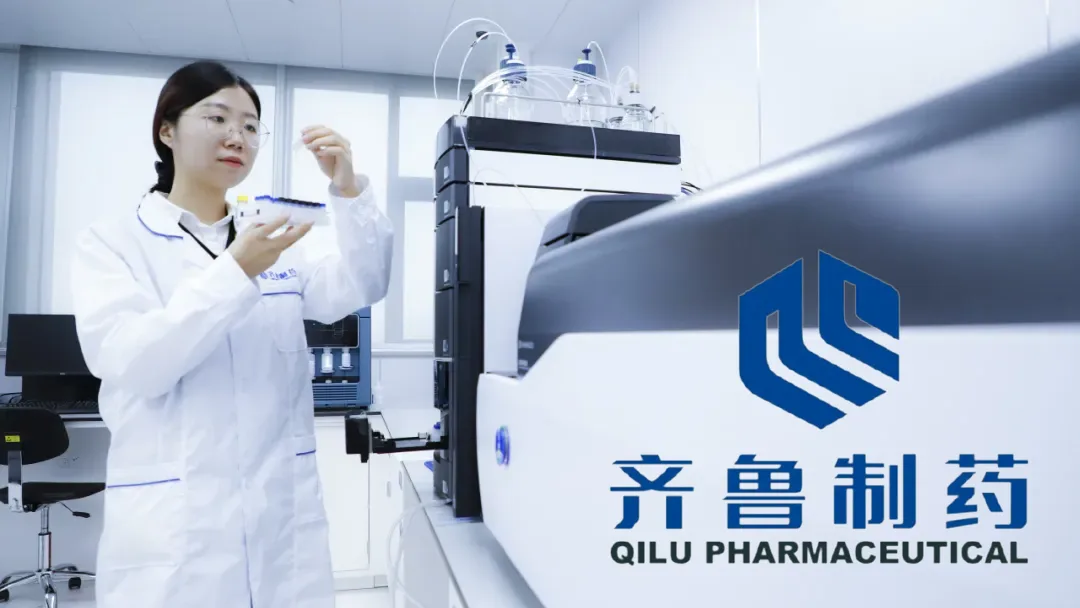
Qilu Pharmaceutical Co., Ltd. announced that its self‑developed Category 1 innovative drug, QLS1317 tablets, has received implied clinical trial approval from the National Medical Products Administration (NMPA) for the targeted treatment of solid tumors driven by Microsatellite Instability‑High (MSI‑H) – positioning the differentiated small‑molecule as a potential first‑in‑class therapeutic option for this genomic instability‑driven tumor subset.
Small‑molecule targeted therapy offers alternative mechanism; potential for non‑responder populations
Unmet Need
Primary resistance to immunotherapy (~50%); acquired resistance; autoimmune toxicity
QLS1317 may address immunotherapy‑resistant MSI‑H tumors or enable combination strategies
Competitive Pipeline
Limited small‑molecule MSI‑H targeted therapies in development
First‑in‑class potential with differentiated mechanism
Market Impact & Outlook
MSI‑H Market Dynamics: MSI‑H solid tumors represent ~200,000 new cases annually in China; PD‑1 inhibitor penetration high but resistance rates 40‑60%; addressable market for novel targeted therapy estimated US$1‑2 billion globally assuming 30‑40% of MSI‑H patients eligible for post‑immunotherapy or combination treatment.
Qilu Pharma Innovation Validation: QLS1317 demonstrates Qilu’s evolution from generic manufacturer to innovative R&D; Category 1 status supports priority regulatory pathways and government funding eligibility; differentiated small‑molecule design (vs. biosimilar/biologic focus of many domestic peers) creates global partnership attractiveness.
Clinical Development Trajectory: Phase I safety/dose‑finding H2 2026; MSI‑H enrichment strategy enables basket trial design across multiple tumor types; proof‑of‑concept efficacy data 2027‑2028; potential for Breakthrough Therapy Designation upon demonstration of efficacy in PD‑1‑resistant population.
Mechanism Differentiation Strategy: QLS1317’s small‑molecule approach vs. biologic immunotherapy enables oral administration, lower cost‑of‑goods, and combination flexibility; potential targets include DNA damage response (DDR) pathways, synthetic lethality mechanisms, or novel synthetic lethal targets specific to MSI‑H context.
Partnership & Global Potential: Ex‑China rights licensing opportunity upon Phase I data; estimated deal value US$150‑300 million upfront for US/EU development rights; Qilu retains China commercialization rights leveraging established oncology sales infrastructure.
Forward‑Looking Statements This brief contains forward‑looking statements regarding clinical development timelines, mechanism validation, and commercial expectations for QLS1317. Actual results may differ due to risks including safety findings in first‑in‑human studies, competitive dynamics with PD‑1 inhibitors, and manufacturing scale‑up for novel small‑molecule synthesis.-Fineline Info & Tech