 By Fineline Cube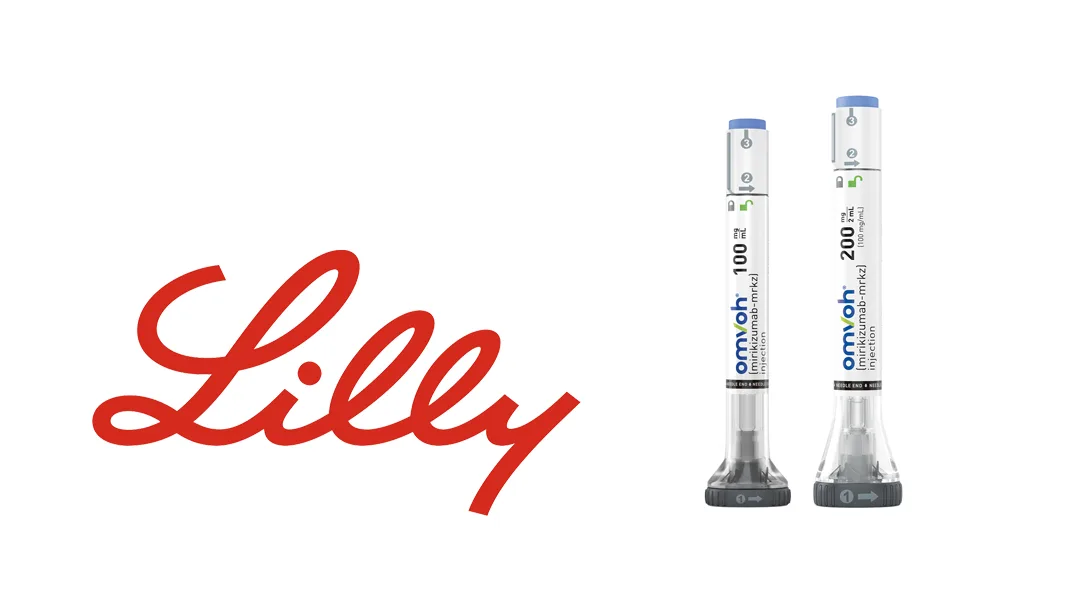
Eli Lilly & Co. (NYSE: LLY) has officially launched Omvoh (mirikizumab) in China for the treatment of inflammatory bowel disease (IBD), marking a significant expansion of the company’s immunology portfolio beyond its dominant obesity franchise. The interleukin-23p19 antagonist received Chinese regulatory approval in February 2026 for adults with moderately to severely active ulcerative colitis (UC) and moderately to severely active Crohn’s disease (CD), positioning Lilly to capture market share in China’s rapidly growing IBD therapeutics segment.
Regulatory & Commercial Timeline
| Milestone | Detail |
|---|---|
| Company | Eli Lilly & Co. (NYSE: LLY) |
| Product | Omvoh (mirikizumab) |
| Drug Class | Interleukin-23p19 (IL-23p19) antagonist |
| Chinese Approval | February 2026 |
| Commercial Launch | April 2026 (last week) |
| Indications | Moderately to severely active UC and CD in adults |
| Market Entry | First major IL-23 inhibitor launch in China for dual IBD indications |
Clinical Evidence – Long-Term Complication Reduction
- Trial Programs: LUCENT (ulcerative colitis) and VIVID (Crohn’s disease) clinical trial programs
- Key Outcome: Patients treated with mirikizumab maintained consistently low long-term rates of serious disease-related complications
- Hospitalization Impact: Significantly reduced incidence of hospitalization among IBD patients
- Surgical Intervention: Demonstrated reduction in need for surgical procedures
- Durability: Sustained efficacy over extended treatment periods, supporting chronic disease management
Market Opportunity & Competitive Landscape
| Market Parameter | Detail |
|---|---|
| China IBD Prevalence | Estimated 1-2 million IBD patients, with rapid growth due to urbanization and dietary changes |
| Treatment Gap | Significant unmet need for effective biologic therapies; current penetration remains low compared to Western markets |
| Competitive IL-23 Inhibitors | Johnson & Johnson’s Tremfya (guselkumab), AbbVie’s Skyrizi (risankizumab) – limited IBD approvals in China |
| Market Size | China IBD biologics market projected to reach $2.5 billion by 2030 |
| Pricing Strategy | Premium pricing expected given superior safety profile and dual indication approval |
Strategic Implications for Eli Lilly
- Portfolio Diversification: Expands beyond blockbuster obesity drugs into high-value immunology segment
- China Market Penetration: Leverages existing commercial infrastructure from diabetes and oncology operations
- Therapeutic Area Expansion: Strengthens position in inflammatory diseases alongside existing pipeline assets
- Global Harmonization: Aligns Chinese launch timing with international markets to maximize brand consistency
Commercial Strategy & Market Access
- Hospital Focus: Initial launch targeting major tertiary hospitals and IBD specialty centers in Tier 1 and Tier 2 cities
- Reimbursement Strategy: Pursuing inclusion in provincial reimbursement lists and national negotiation processes
- Physician Education: Comprehensive medical affairs program to educate gastroenterologists on IL-23 mechanism advantages
- Patient Support: Implementing patient assistance programs to improve access and adherence
Differentiation Advantages
- Dual Indication Approval: One of few biologics approved for both UC and CD in China
- Safety Profile: Favorable safety data compared to TNF inhibitors, particularly regarding infection risk
- Administration Convenience: Subcutaneous dosing with maintenance regimen every 4 weeks
- Long-Term Outcomes: Clinical data demonstrating reduction in hard endpoints (hospitalization/surgery) rather than just symptom improvement
Industry Context & Regulatory Environment
- China Biologics Regulation: Operating under China’s accelerated approval pathways for innovative therapies addressing unmet medical needs
- Healthcare Reform Impact: Benefits from China’s ongoing healthcare reforms that prioritize innovative treatments for chronic diseases
- Local Competition: Faces competition from domestic biosimilars and emerging Chinese biotech companies developing IBD therapies
- International Benchmarking: Pricing and access strategies informed by global IL-23 inhibitor performance in mature markets
Forward‑Looking Statements
This brief contains forward-looking statements regarding commercial performance, market penetration, and competitive dynamics. Actual results may differ due to risks including reimbursement decisions, competitive pressures, market adoption rates, and regulatory developments.-Fineline Info & Tech