 By Fineline Cube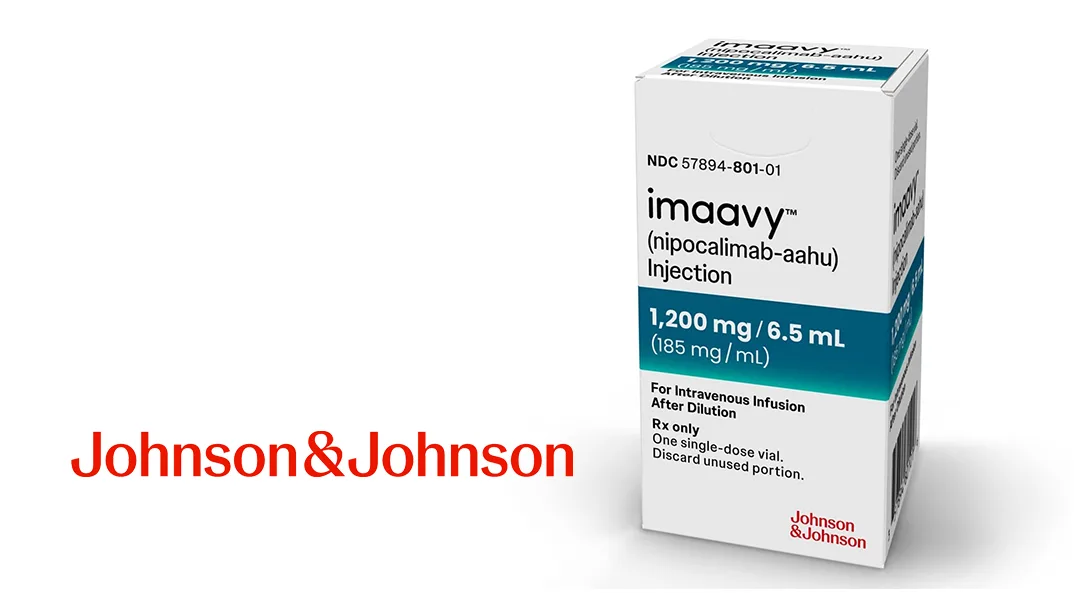
Johnson & Johnson (J&J, NYSE: JNJ) announced positive results from the Phase II JASMINE study of Imaavy (nipocalimab) in adult patients with moderate-to-severe systemic lupus erythematosus (SLE). The FcRn-blocking monoclonal antibody met its primary endpoint at Week 24 and demonstrated durable disease control through Week 52, representing the first clinical evidence of efficacy for an FcRn blocker in SLE.
Clinical Trial Design & Primary Endpoint Achievement
| Parameter | Nipocalimab 15 mg/kg + Background Therapy | Placebo + Background Therapy |
|---|---|---|
| Primary Endpoint (Week 24 SRI-4 Response) | 53.5% | 46.7% |
| Week 52 SRI-4 Response | 53.6% | 39.7% |
| Study Population | Adult patients with moderate-to-severe SLE | Same |
| Background Therapy | Conventional standard-of-care maintained in both arms | Same |
The statistically significant improvement in SRI-4 response rates demonstrates meaningful clinical benefit in this challenging autoimmune disease.
Subgroup Analysis: Autoantibody-Positive Patients
Enhanced Efficacy in Biomarker-Defined Population
| Outcome Measure | Nipocalimab Group | Placebo Group |
|---|---|---|
| Week 52 SRI-4 Response Rate | 58.2% | 36.1% |
| Lupus Low Disease Activity State (LLDAS) | 38.9% | 18.0% |
This pre-specified subgroup analysis suggests that autoantibody-positive patients derive substantially greater benefit from nipocalimab therapy, potentially enabling targeted treatment strategies based on biomarker status.
Mechanism of Action & Scientific Innovation
FcRn Blockade Technology
- Target: Neonatal Fc receptor (FcRn) with high-affinity binding
- Mechanism: Reduces circulating immunoglobulin G (IgG) levels
- Selectivity: No detectable impact on other adaptive and innate immune functions
- Therapeutic Rationale: Addresses pathogenic autoantibodies driving SLE without broad immunosuppression
First-in-Class Potential
- Pioneering Evidence: JASMINE represents first successful clinical trial of FcRn blockade in SLE
- Novel Approach: Distinct mechanism compared to current SLE therapies (B-cell depletion, cytokine inhibition)
- Biomarker Correlation: Strong pharmacodynamic evidence supporting mechanism of action
- Differentiated Profile: Potential for improved safety compared to broad immunosuppressants
Safety Profile & Tolerability
Adverse Event Profile
- Consistency: Safety profile consistent with previous nipocalimab studies
- No New Signals: No unexpected safety concerns identified
- Most Common AEs (≥10%):
- Nasopharyngitis
- Headache
- Urinary tract infection
- Nausea
The favorable safety profile supports continued development and potential long-term use in chronic SLE management.
Strategic Implications & Market Context
Unmet Medical Need in SLE
- Patient Population: Approximately 1.5 million Americans affected by SLE
- Treatment Gap: Limited effective options for moderate-to-severe disease
- Current Therapies: Broad immunosuppressants with significant toxicity profiles
- Clinical Burden: High rates of organ damage and reduced quality of life
Competitive Landscape Advantages
- First-Mover Status: First FcRn blocker to demonstrate SLE efficacy
- Differentiated Mechanism: Novel approach addressing root cause (pathogenic IgG)
- Biomarker Strategy: Autoantibody-positive subgroup shows enhanced response
- Safety Differentiation: Targeted mechanism may reduce infection and malignancy risks
Commercial Opportunity
- Premium Pricing: Novel mechanism supports premium positioning
- Market Size: Estimated $3-5 billion annual market for biologic SLE therapies
- Pipeline Priority: Represents significant addition to J&J’s immunology portfolio
- Global Potential: Applicable across major markets with similar unmet needs
Development Pathway & Next Steps
- Phase III Planning: Positive Phase II data supports advancement to pivotal trials
- Regulatory Strategy: Potential for accelerated approval pathways based on novel mechanism
- Biomarker Development: Autoantibody testing may become companion diagnostic
- Combination Potential: May complement existing SLE therapies with synergistic effects
The JASMINE study provides comprehensive clinical, biomarker, and pharmacodynamic evidence supporting nipocalimab as a promising new treatment option for SLE, potentially transforming the therapeutic landscape for this complex autoimmune disease.
Forward‑Looking Statements
This brief contains forward-looking statements regarding clinical development, regulatory pathways, and commercial potential. Actual results may differ materially due to regulatory decisions, competitive developments, clinical trial outcomes, and market dynamics.-Fineline Info & Tech