


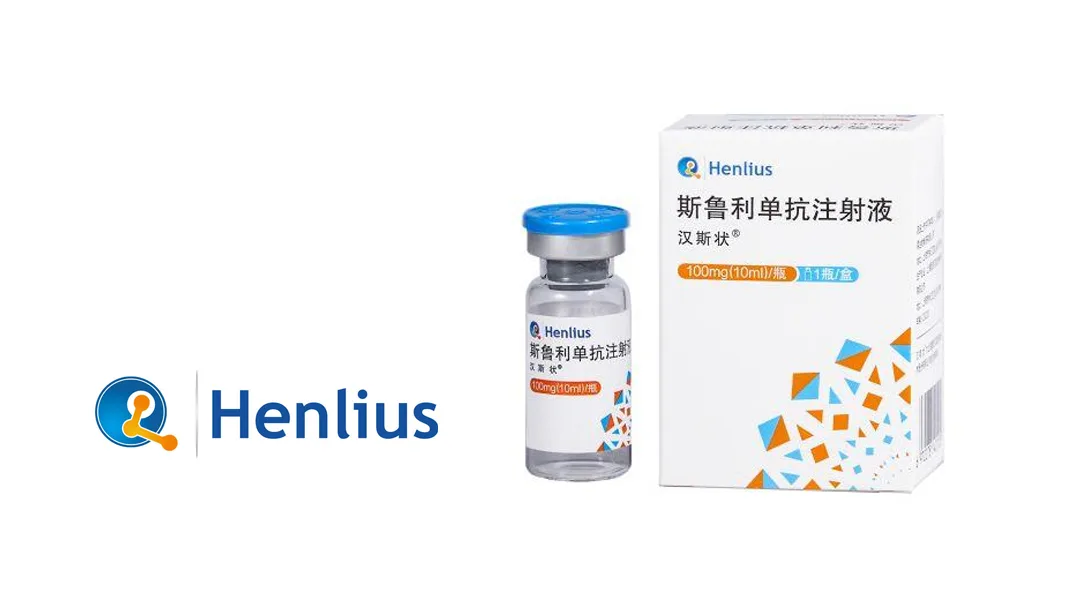
Shanghai Henlius Biotech Inc. (HKG: 2696) announced that China’s National Medical Products Administration (NMPA) has granted priority review approval for an additional indication for its PD-1 inhibitor HanSiZhuang™ (serplulimab), commercially known as Hetronifly® in Europe.
The approval authorizes serplulimab for perioperative treatment of resectable gastric cancer in patients with tumor PD-L1 expression CPS ≥5, specifically for neoadjuvant treatment combined with oxaliplatin and S-1 chemotherapy, followed by adjuvant monotherapy. This makes serplulimab the first and only PD-1 inhibitor globally approved for perioperative gastric cancer treatment, representing a significant advancement in the standard of care for this challenging malignancy.
Regulatory Approval Details
| Parameter | Specification |
|---|---|
| Drug Name | HanSiZhuang™ (serplulimab) / Hetronifly® |
| Indication | Perioperative treatment of resectable gastric cancer |
| Patient Population | PD-L1 CPS ≥5, surgically eligible |
| Regimen | Neoadjuvant: serplulimab + oxaliplatin/S-1 → Adjuvant: serplulimab monotherapy |
| Review Pathway | NMPA Priority Review |
| Global Status | First PD-1 inhibitor approved for perioperative gastric cancer worldwide |
Pivotal Phase III ASTRUM-006 Trial Results
Study Design & Population
- Design: Randomized, double-blind, placebo-controlled, multicenter Phase III
- Enrollment: 588 patients with locally advanced gastric/gastroesophageal junction adenocarcinoma
- Inclusion Criteria: PD-L1 CPS ≥5, surgical eligibility
- Primary Endpoint: Event-free survival (EFS)
- Data Cutoff: August 19, 2025
Efficacy Outcomes (PD-L1 CPS ≥5 Population)
| Endpoint | Serplulimab Group | Control Group | Hazard Ratio |
|---|---|---|---|
| Event-Free Survival | Significantly prolonged | Standard chemotherapy | HR 0.67 (33% risk reduction) |
| Pathological Complete Response (pCR) | 21.6% | 6.5% | >3x improvement |
| R0 Resection Rate | 96.7% | Not specified | High surgical success |
Safety Profile
- Grade ≥3 TRAEs: 46.6% (serplulimab) vs. 58.5% (control)
- Permanent Discontinuation: 6.5% (serplulimab) vs. 10.5% (control)
- Tolerability Assessment: Generally manageable safety profile with improved tolerability versus chemotherapy alone
Strategic Market Implications
Gastric Cancer Treatment Landscape
- Global Burden: Gastric cancer represents the 5th most common cancer worldwide with poor prognosis in advanced stages
- Chinese Market: China accounts for approximately 40% of global gastric cancer cases
- Treatment Gap: Limited effective perioperative options prior to this approval
- Standard of Care Evolution: Paradigm shift from chemotherapy-only to immunotherapy-enhanced perioperative approach
Competitive Positioning
- First-Mover Advantage: Exclusive global position as only approved PD-1 inhibitor for perioperative gastric cancer
- BICR Validation: Independent radiological assessment strengthens credibility of results
- Combination Strategy: Leverages established chemotherapy backbone while adding immunotherapy benefit
- Biomarker-Driven: PD-L1 CPS ≥5 selection ensures optimal patient targeting
Commercial Outlook & Revenue Potential
- Addressable Population: Estimated 50,000-70,000 eligible patients annually in China
- Pricing Strategy: Premium positioning based on first-in-class status and significant efficacy improvement
- Market Penetration: Expected rapid adoption given priority review status and compelling clinical data
- Global Expansion: European approval (as Hetronifly) provides foundation for international market access
- Revenue Projection: Analysts estimate peak annual sales of $400-600 million globally for this indication
This approval represents a major milestone for Henlius Biotech, establishing serplulimab as a cornerstone therapy in gastric cancer management and demonstrating China’s growing leadership in innovative oncology drug development.
Forward-Looking Statements
This brief contains forward-looking statements regarding market adoption, regulatory pathways, competitive dynamics, and revenue projections. Actual results may differ due to reimbursement challenges, competitive pressures, and evolving treatment guidelines.-Fineline Info & Tech