


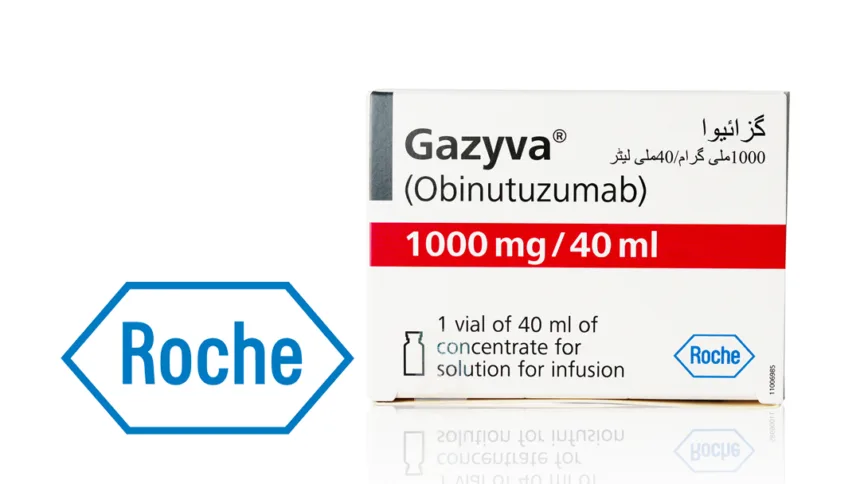
Roche (SWX: ROP; OTCMKTS: RHHBY) announced that its next‑generation anti‑CD20 monoclonal antibody Gazyva (obinutuzumab injection) has been approved by China’s National Medical Products Administration (NMPA) for a new indication: the treatment of adult and pediatric patients aged 2 years and older with frequently relapsing or steroid‑dependent childhood‑onset idiopathic nephrotic syndrome (INS) who are in complete remission, to reduce the risk of relapse. The approval marks Gazyva’s first approved indication for an immune‑mediated disease in China – and the first and currently only biologic officially approved in China in 70 years for the treatment of INS.
Regulatory Milestone
| Item | Detail |
|---|---|
| Agency | NMPA (China) |
| Approval Type | New indication for existing product |
| Product | Gazyva (obinutuzumab injection), next‑generation anti‑CD20 monoclonal antibody |
| Indication | Adult and pediatric patients (≥2 years) with frequently relapsing or steroid‑dependent childhood‑onset idiopathic nephrotic syndrome (INS) in complete remission, to reduce the risk of relapse |
| Milestone | Gazyva’s first immune‑mediated disease indication in China; first and only biologic approved for INS in China in 70 years |
| Approval Date | 27 Nov 2026 |
Drug Profile & Mechanism of Action
- Molecule: Obinutuzumab – the first glycoengineered type II humanized anti‑CD20 monoclonal antibody
- Target: Specifically binds the CD20 antigen on the surface of B cells
- Mechanism: Achieves deep B‑cell depletion through direct cell death induction and antibody‑dependent cell‑mediated cytotoxicity (ADCC)
- Therapeutic Rationale: Depleting autoreactive B cells offers a new therapeutic strategy for long‑term management of idiopathic nephrotic syndrome, shifting treatment beyond corticosteroids and conventional immunosuppressants
- Formulation: Intravenous injection (obinutuzumab injection)
Disease Context – Idiopathic Nephrotic Syndrome
- Unmet Need: INS is a kidney disorder driven by immune dysfunction that predominantly begins in childhood; frequently relapsing and steroid‑dependent courses expose patients – including children as young as 2 – to the toxicity of repeated or continuous corticosteroid therapy.
- 70‑Year Therapeutic Gap: Until this approval, no biologic had been officially approved in China for INS in seven decades, leaving clinicians reliant on steroids and off‑label immunosuppression for relapse prevention.
- Relapse‑Prevention Positioning: The NMPA label specifically targets patients in complete remission, positioning Gazyva as a maintenance therapy to reduce relapse risk rather than an induction agent.
Market Impact & Outlook
- Portfolio Diversification: The approval extends Gazyva – established in China as an oncology brand – into immunology/nephrology, marking Roche’s first immune‑mediated disease indication for the antibody in the market.
- First‑Mover Advantage: As the first and only biologic officially approved for INS in China, Gazyva enters the new indication without direct biologic competition.
- Pediatric Footprint: Coverage of patients aged 2 years and older creates a differentiated pediatric‑inclusive label rare among biologics in the Chinese market.
- Pricing & Access: Reimbursement status and launch timing – not disclosed in the announcement.
Forward‑Looking Statements
This brief contains forward‑looking statements regarding commercial launch, reimbursement access, and market adoption for Gazyva in idiopathic nephrotic syndrome in China. Actual results may differ materially due to risks including pricing and reimbursement dynamics, competitive entries, and evolving standards of care in nephrology and pediatric immunology.-Fineline Info & Tech