


Swiss giant Roche (SWX: ROG, OTCMKTS: RHHBY) announced that the FDA has approved the VENTANA® MET (SP44) RxDx Assay, a groundbreaking companion diagnostic for non-squamous non-small cell lung cancer (NSQ-NSCLC). This approval marks a significant step forward in personalised healthcare, enabling the identification of patients who may benefit from AbbVie’s c-Met-targeted therapy Emrelis™ (telisotuzumab vedotin-tllv).
The MET Protein: A Key Biomarker
The VENTANA MET (SP44) RxDx Assay detects the MET protein, which is over-expressed in some patients with NSQ-NSCLC. This protein serves as a predictive biomarker for the likelihood of a patient’s response to c-Met-targeted therapy. Among advanced NSCLC patients with a normal (wild-type) epidermal growth factor receptor (EGFR) gene, around a quarter exhibit high levels of MET protein, making it a crucial factor in determining treatment options.
Roche’s Leadership in Companion Diagnostics
As the leader in companion diagnostics, Roche’s broad CDx portfolio helps enable informed clinical decisions and improved patient outcomes. The launch of the VENTANA MET (SP44) RxDx Assay exemplifies Roche’s commitment to advancing personalised healthcare and represents an important addition to the company’s market-leading portfolio of immunohistochemistry (IHC) and in situ hybridisation (ISH) companion diagnostics.
Clinical Data Supporting FDA Approval
The FDA accelerated approval is supported by data from the Phase 2 LUMINOSITY study, an ongoing study designed to characterise the efficacy and safety of Emrelis in c-Met overexpressing advanced NSQ-NSCLC populations. Findings from the study showed patients with c-Met protein high expression who received Emrelis demonstrated a 35% overall response rate (ORR) and duration of response (DoR) with a median of 7.2 months.
About the VENTANA MET (SP44) RxDx Assay
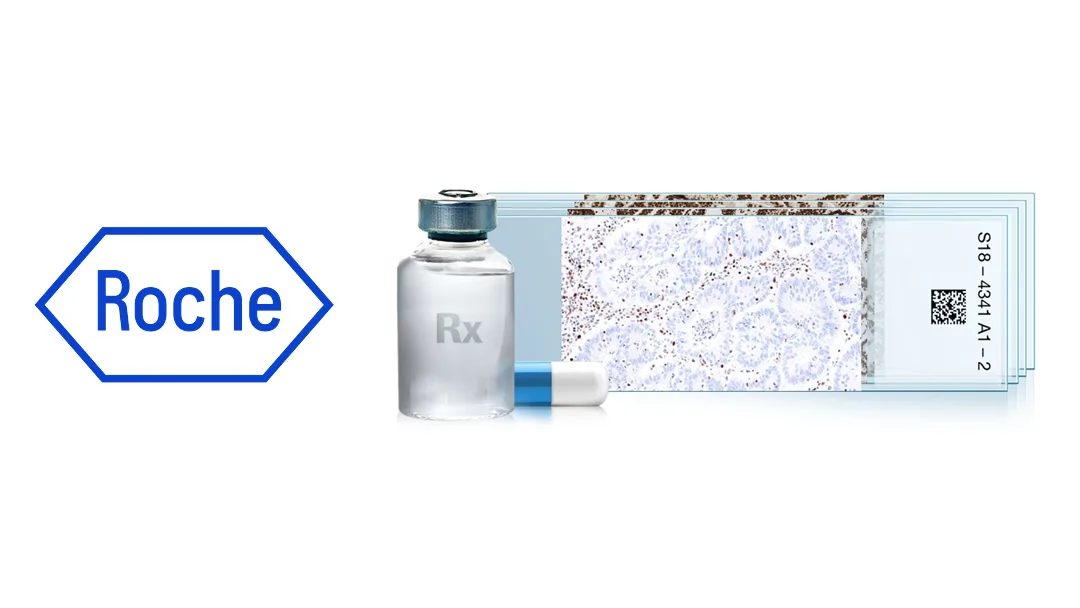
The VENTANA MET (SP44) RxDx Assay detects the MET protein and is scored by pathologists based on the percentage of tumour cells stained and the intensity of the staining. MET protein overexpression is defined as ≥50% tumor cells demonstrating strong (3+) membrane and/or cytoplasmic staining. By providing critical information on MET protein expression, the assay informs clinicians about the likelihood that a patient will benefit from c-Met-targeted therapy, allowing for a more personalised approach to treating NSQ-NSCLC.-Fineline Info & Tech