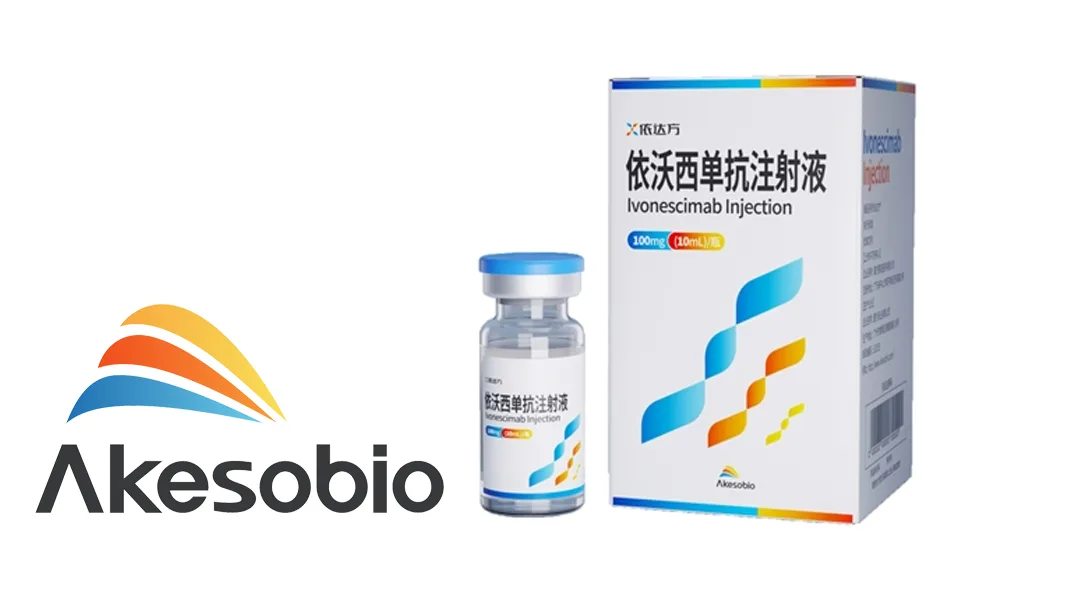
Akeso, Inc. (HKG: 9926) announced that Yidafang (ivonescimab) has been awarded Breakthrough Therapy Designation (BTD) by the Center for Drug Evaluation (CDE) of China’s NMPA for first‑line combination therapy of advanced biliary tract malignancies (BTC). This marks the fifth BTD for the world’s first PD‑1/VEGF bispecific antibody, expanding its oncology footprint beyond lung and breast cancer.
Competitive Edge: Dual‑targeting reduces need for combination chemotherapy while potentially improving efficacy over PD‑1 monotherapy or PD‑1 + VEGF tyrosine kinase inhibitor combinations
Clinical & Commercial Implications
Biliary Tract Opportunity: BTC represents a high‑unmet‑need malignancy with limited effective first‑line options; BTD positions ivonescimab for priority review and accelerated approval pathway in China.
BTD Portfolio Validation: Five Breakthrough designations establish ivonescimab as a platform asset with broad mechanistic applicability across solid tumors, supporting Akeso’s global licensing strategy.
NRDL Inclusion Momentum: Existing NSCLC indications already on National Reimbursement Drug List demonstrate pricing negotiation success and market access foundation for future BTC approval.
Global Expansion Potential: BTD status strengthens data package for ex‑China regulatory submissions, particularly in hepatobiliary‑prevalent Asian markets and Western territories seeking novel BTC therapies.
Strategic Outlook
Priority
Execution Plan
BTC Pivotal Trial
Initiate/registrational study leveraging BTD fast‑track
Combination Strategy
Explore ivonescimab + chemotherapy ± other IO agents in first‑line BTC
Geographic Expansion
Use BTD‑backed China data to support US/EU IND filings
Pipeline Synergies
Leverage bispecific platform for next‑gen PD‑1/VEGF iterations and novel targets
Forward‑Looking Statements This brief contains forward‑looking statements regarding ivonescimab’s clinical development in biliary tract cancer, regulatory timelines for BTC approval, and Akeso’s global commercialization strategy. Actual results may differ due to trial outcomes, competitive dynamics in the IO space, and reimbursement negotiation results.-Fineline Info & Tech