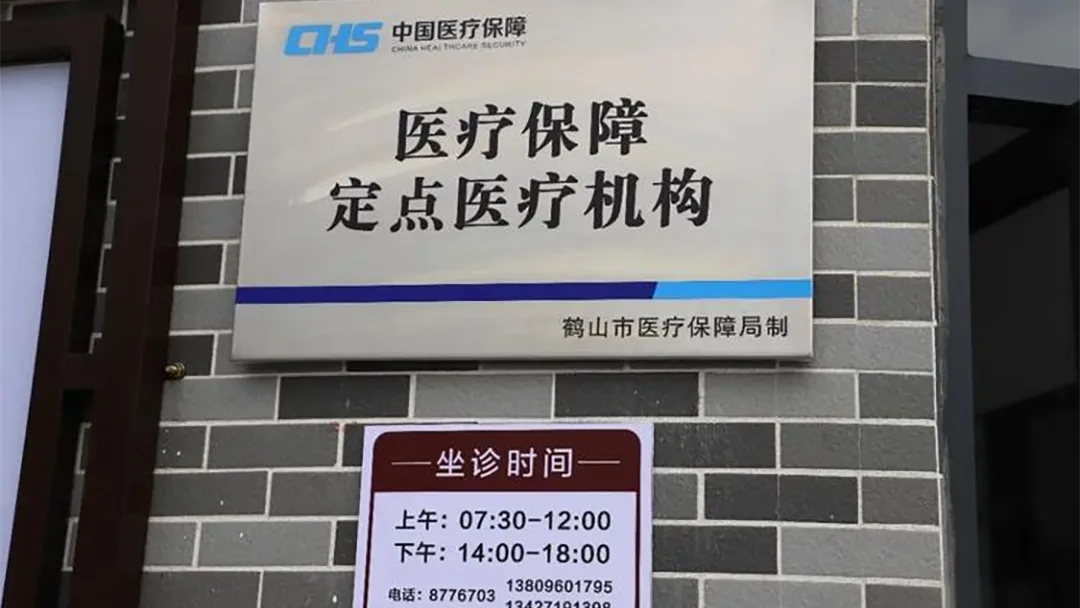
The National Healthcare Security Administration (NHSA) this week released a notification emphasizing the importance of enhancing the management of designated medical institutions. This initiative is crucial for promoting the high-quality development of the healthcare security system and improving modern governance capabilities.
Policy Highlights
The document clarifies that public designated medical institutions must uniformly implement government-guided pricing for basic medical services. Private medical institutions applying for designation must commit to adopting the same medical service pricing items and levels as public institutions. The prices of drugs and medical consumables provided by these institutions should adhere to principles of fairness, reasonableness, good faith, and value-quality alignment. In principle, these prices should not exceed those of other designated institutions in the same region.
Support Mechanism
A 6-month policy guidance period will be established for newly designated institutions to provide targeted support in implementing healthcare security management and payment policies. During this period, cross-region medical expense settlement services will generally not be activated, except for regional medical centers.
Procurement Requirements
Public designated institutions must procure all required drugs and medical consumables through provincial centralized procurement platforms. If the actual purchase price is lower than the platform price, they must report it to the platform promptly. Newly designated institutions must comply with platform procurement procedures from the date of agreement signing. Existing designated institutions will be granted a transition period to gradually achieve full compliance with platform-based procurement.
Medication Management
Local healthcare security departments must guide designated institutions in stocking medications as required by regulations and healthcare agreements. For drugs that are temporarily unavailable but medically necessary, institutions must provide external prescription services while strengthening oversight. Local authorities should expedite the deployment of the national unified e-prescription platform, linking healthcare agencies, designated institutions, and retail pharmacies to ensure seamless electronic prescription processing.
Exit Mechanisms
Local healthcare security departments should refine exit mechanisms for designated institutions based on practical conditions, specifying detailed requirements for revocation of designation.-Fineline Info & Tech