


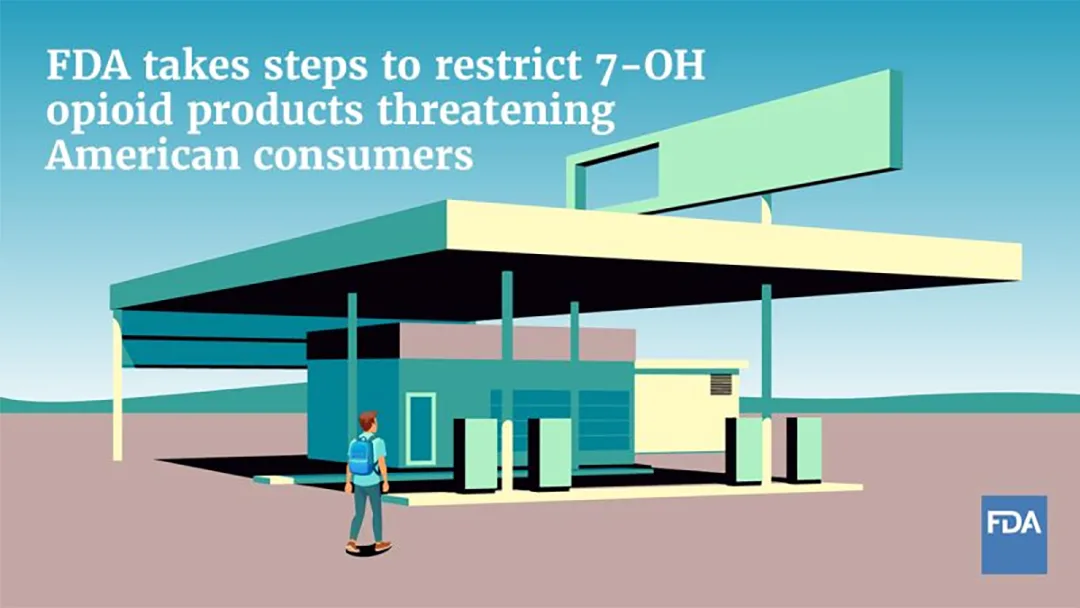
The U.S. Food and Drug Administration (FDA) is implementing new safety measures for opioid pain medications and taking action against illegal 7-hydroxymitragynine (7-OH) products. These initiatives aim to mitigate the risks associated with opioid misuse and abuse.
Safety Labeling Changes for Opioids
The FDA is requiring safety labeling changes to all opioid pain medications to better emphasize and explain the risks associated with long-term use. These changes will include clearer risk information, dosing warnings, clarified use limits, treatment guidance, and safe discontinuation protocols. Additionally, the FDA has mandated an additional prospective, randomized, controlled clinical trial to directly examine the benefits and risks of long-term opioid use.
Action on 7-OH Products
The FDA is recommending a scheduling action to control certain 7-OH products under the Controlled Substances Act (CSA). 7-OH is increasingly recognized for its potential for abuse due to its ability to bind to opioid receptors. There are no FDA-approved drugs containing 7-OH, and it is not lawful in dietary supplements or conventional foods. The FDA has issued warning letters to seven companies illegally distributing products containing 7-OH and has published educational materials for consumers about the risks associated with these products.
Protecting Public Health
These measures reflect the FDA’s commitment to protecting Americans from the dangers of opioid misuse and illegal substances. By enhancing safety labeling and taking action against unapproved products, the FDA aims to reduce the impact of the opioid crisis and promote safer pain management practices.-Fineline Info & Tech