


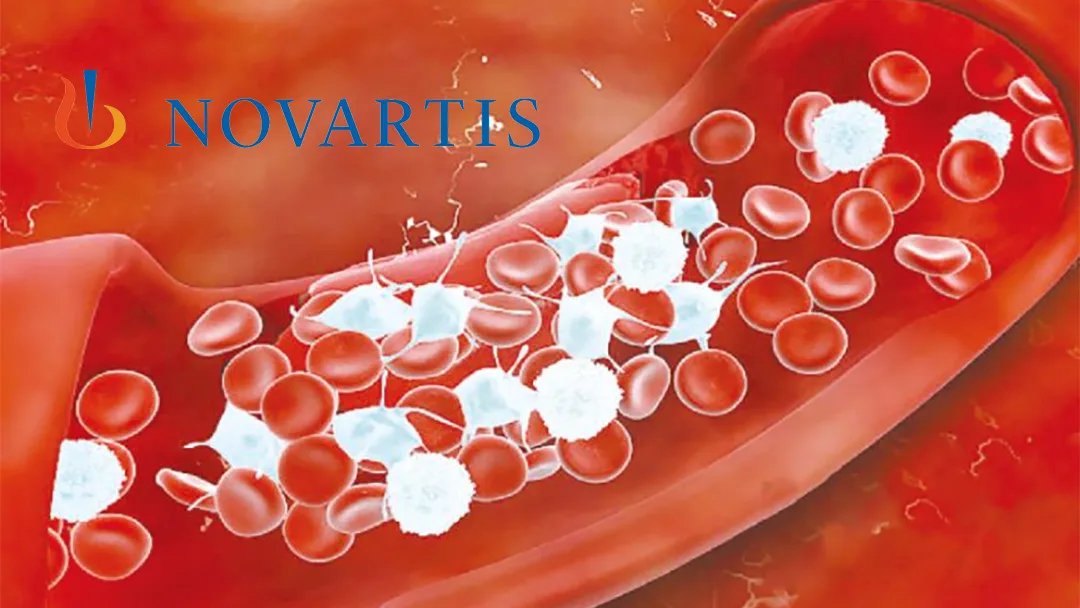
Swiss pharmaceutical giant Novartis (NYSE: NVS) announced positive top-line results from the Phase 3 VAYHIT2 trial evaluating ianalumab plus eltrombopag in patients with primary immune thrombocytopenia (ITP) previously treated with corticosteroids. Additionally, two Phase 3 trials (NEPTUNUS-1 and NEPTUNUS-2) assessing ianalumab in adults with active Sjögren’s disease also met their primary endpoints.
Drug Profile
Ianalumab (VAY736) is a novel fully human monoclonal antibody being investigated for its potential to treat various B cell-driven autoimmune diseases. These include Sjögren’s disease, immune thrombocytopenia (ITP), systemic lupus erythematosus (SLE), lupus nephritis (LN), warm autoimmune hemolytic anemia (wAIHA), and diffuse cutaneous systemic sclerosis (dcSSc). The antibody works by both depleting B cells via antibody-dependent cellular toxicity (ADCC) and interrupting BAFF-R mediated signals of B cell function and survival. Ianalumab originated from an early collaboration with MorphoSys AG, a company acquired by Novartis in 2024.
VAYHIT2 Trial Results
In the VAYHIT2 trial, ianalumab combined with eltrombopag significantly prolonged the time to treatment failure (TTF), the primary endpoint assessing how long patients maintain safe platelet levels during and post-treatment. Patients receiving ianalumab plus eltrombopag also experienced a significantly higher rate of sustained platelet count improvements at six months, a key secondary endpoint. The safety profile of ianalumab remained consistent with previous studies, showing no new safety signals.
NEPTUNUS Trial Results
In the NEPTUNUS pivotal trials, ianalumab achieved the primary endpoint of reducing disease activity as measured by the EULAR Sjögren’s syndrome disease activity index (ESSDAI), a multi-dimensional disease activity measurement. The drug demonstrated a favorable safety profile and was well-tolerated in patients with Sjögren’s disease.-Fineline Info & Tech