


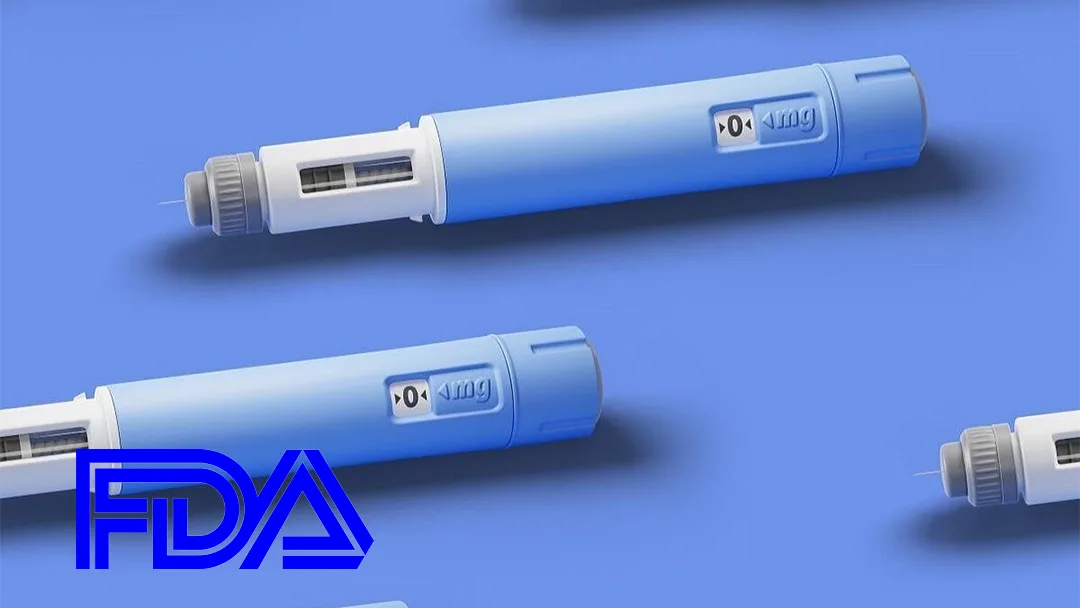
The U.S. Food and Drug Administration (FDA) today announced a new “green list” import alert designed to block potentially hazardous GLP‑1 (glucagon‑like peptide‑1) active pharmaceutical ingredients (APIs) from unverified foreign sources. The measure aims to safeguard patient safety and secure the domestic drug supply chain.
Why GLP‑1 Matters
- Approved Uses – Semaglutide and tirzepatide are FDA‑approved for type 2 diabetes and, in specific cases, chronic weight management.
- Compounding Concerns – Patients increasingly turn to compounded versions of these drugs, which are not FDA‑approved and have been linked to serious dosing errors, unapproved salt forms, and adverse events—some requiring hospitalization.
The “Green List” Mechanism
| Feature | Detail |
|---|---|
| Inspected Facilities | Only APIs sourced from facilities the FDA has inspected or evaluated for compliance will be admitted. |
| Detention Policy | APIs from non‑listed sources will be detained without physical examination pending further review. |
| Ongoing Oversight | The FDA will continue to collaborate with state regulators, monitor market activity, and enforce actions against unsafe or fraudulent GLP‑1 drugs. |
Regulatory Context
- The FDA’s decision follows earlier findings that compounded semaglutide and tirzepatide can contain dosing inaccuracies and unapproved salt forms, posing significant health risks.
- By creating a vetted “green list,” the agency seeks to prevent unsafe compounds from reaching U.S. consumers and to maintain the integrity of the drug supply chain.
Impact on Stakeholders
- Patients – Greater assurance that GLP‑1 medications they receive meet FDA safety standards.
- Pharmaceutical Imports – Companies must ensure their supply chains meet FDA inspection criteria or face detention.
- Healthcare Providers – Must verify the source of GLP‑1 APIs before prescribing compounded formulations.-Fineline Info & Tech