


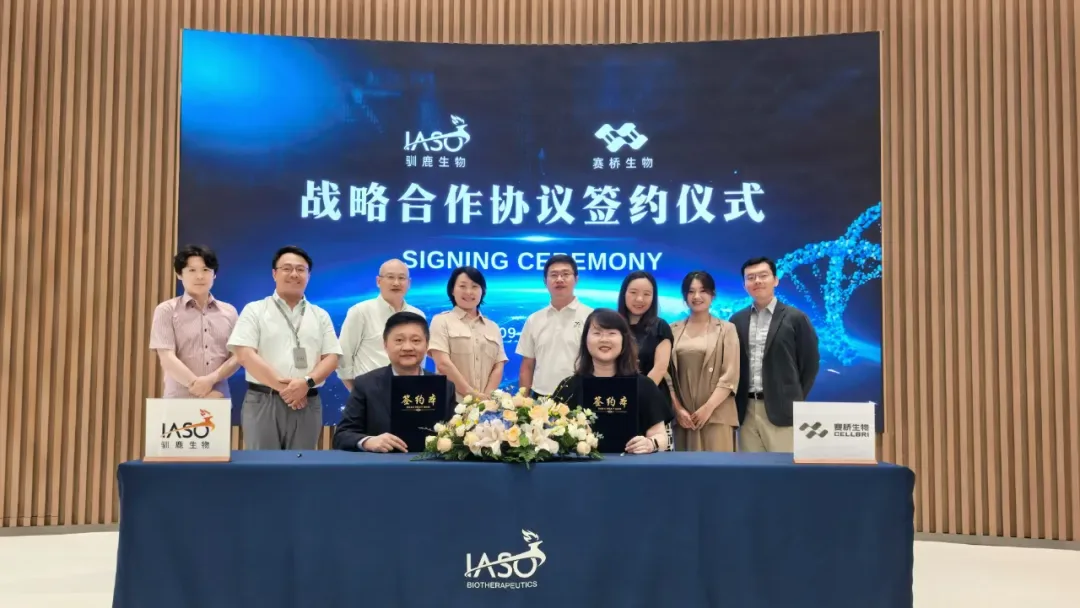
China‑based IASO Biotherapeutics and Shenzhen Cellbri Bio‑Innovation Technology Co., Ltd. announced a global strategic cooperation agreement aimed at accelerating the international expansion of China’s advanced cell‑therapy drug industry chain.
Contents
What the Deal Means
- Integrated Manufacturing Model – Combines IASO’s proven cell‑manufacturing processes with Cellbri’s intelligent, automation‑driven platforms.
- Supply‑Chain Synergy – Creates a vertically‑integrated pipeline from cell sourcing to finished therapeutic product, reducing lead times and cost.
- Global Market Readiness – Positions Chinese cell‑therapy products to meet the stringent regulatory and quality standards of the U.S., EU, and other key markets.
Key Features of the Partnership
| Element | Details |
|---|---|
| Manufacturing Expertise | IASO: scalable GMP‑grade cell culture; Cellbri: AI‑optimized bioreactors and QC automation |
| Technology Stack | Closed‑loop process control, real‑time analytics, and digital compliance tracking |
| Geographic Reach | Joint facilities in Shenzhen, Shanghai, and planned expansion into Singapore and the U.S. |
| Commercial Objectives | 1. Accelerate product approvals for CAR‑T, T‑cell, and NK‑cell therapies 2. Enable rapid scaling to meet global demand |
Strategic Impact for China’s Cell‑Therapy Ecosystem
- Industry Consolidation – The alliance exemplifies a new “global‑local” collaboration model, encouraging other Chinese biotechs to pursue similar cross‑border partnerships.
- Innovation Acceleration – By integrating manufacturing and digital technologies, the partnership shortens the development cycle for next‑generation cell therapies.
- Regulatory Alignment – Shared expertise on international GMP and FDA/EMA guidelines enhances the likelihood of successful market entry.
Next Milestones
- Pilot Production Run – Targeted Q1 2026 to validate the integrated platform on a clinical‑grade CAR‑T product.
- Regulatory Filings – Submit INDs to the FDA and EMA for selected indications by late 2026.
- Commercial Scale‑Up – Expand production capacity to 1 × 10⁹ cells per year by 2028, supporting multiple therapeutic indications.-Fineline Info & Tech