


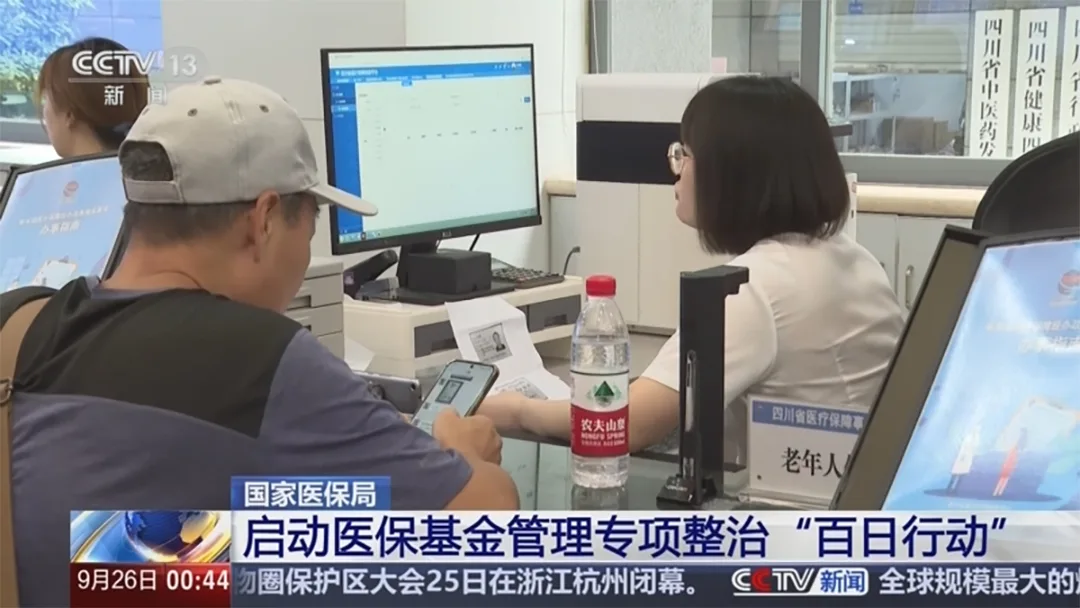
The National Healthcare Security Administration (NHSA) announced a nationwide 100‑Day Action aimed at eradicating illegal and non‑compliant use of medical‑insurance funds. The campaign, running until 31 December 2025, will target three high‑profile fraud vectors: resale of returned drugs, unauthorized over‑prescription, and fraudulent maternity‑benefit claims.
1. Resale of Returned Medical Drugs
- Focus: Investigate medical institutions and individuals suspected of forging prescriptions, misusing insurance credentials, and selling drugs without scanning barcodes.
- Targets:
- Professionals who substitute insurance‑covered drugs for cheaper alternatives.
- Insured patients who sell their own medication.
- Facilities engaging in “buy‑back” or “over‑consumption” schemes.
2. Unauthorized Over‑Prescription
- Monitoring: Leverage drug traceability‑code data to flag abnormal prescribing and purchasing patterns.
- Key Risks:
- Clinicians receiving prescription kickbacks from fraudster networks.
- Collusion with fraud rings to siphon patient data (especially among the elderly and low‑income groups).
- Direct possession of insured patients’ credentials to fabricate diagnoses.
- Action: All identified leads are immediately forwarded to public‑security, health, and other relevant agencies.
3. Fraudulent Maternity‑Benefit Claims
- Investigations focus on:
- Fake claims forged with supporting documents.
- Proxy participation through fabricated employment ties.
- Inflated claim bases that inflate benefit payouts.
- Recovery: NHSA commits to recouping all lost funds and swiftly transferring evidence to law‑enforcement partners.
Overall Impact
The 100‑Day Action represents a decisive step toward strengthening medical‑insurance fund management and safeguarding public resources. By combining data‑driven surveillance with cross‑agency collaboration, the NHSA aims to curb a growing culture of fraud and restore confidence in China’s health‑insurance system.-Fineline Info & Tech