


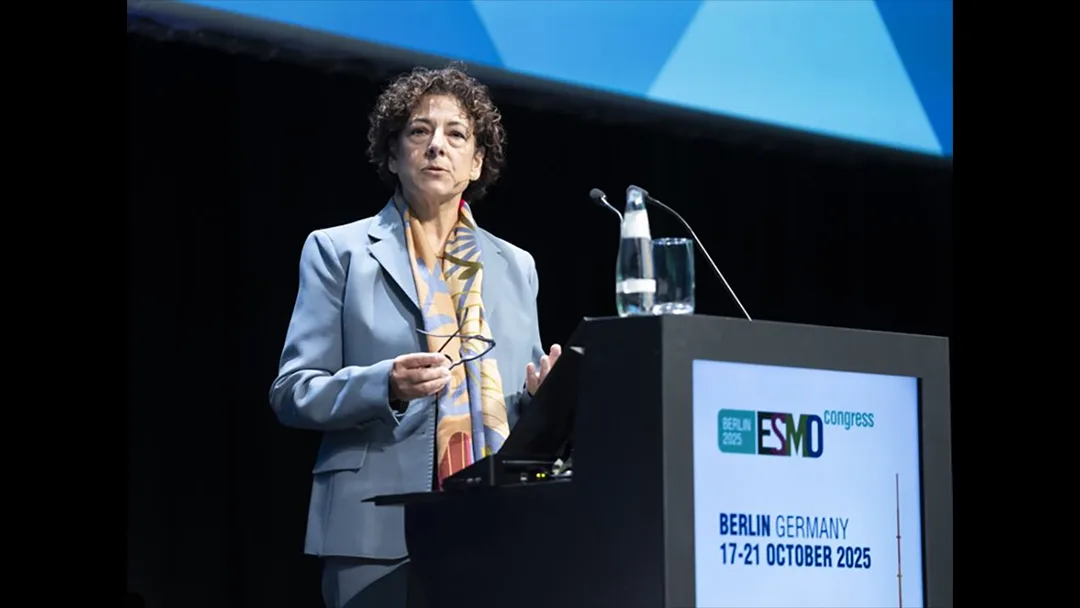
Eli Lilly & Company (NYSE: LLY) today disclosed the long‑term benefits of abemaciclib in hormone‑receptor‑positive (HR+), HER2‑negative (HER2‑) early‑stage breast cancer, presented at the European Society for Medical Oncology (ESMO) Annual Meeting. In a high‑risk, lymph‑node‑positive cohort, two years of abemaciclib plus endocrine therapy (ET) reduced the risk of death by 15.8 % versus ET alone, with sustained gains in invasive disease‑free survival (IDFS) and distant recurrence‑free survival (DRFS).
Key Highlights
- Overall Survival (OS) – Median follow‑up of 6.3 years; >75 % of patients followed ≥4 years post‑treatment.
- Risk‑Reduction – 15.8 % lower mortality in the abemaciclib + ET arm (ITT population).
- Metastasis – 32 % reduction in metastatic events (6.4 % vs. 9.4 %).
- Long‑Term Benefit – Continuous improvement in IDFS and DRFS through 7‑year analysis, confirming the carry‑over effect seen in the 5‑year monarchE data.
Clinical Data Overview
| Endpoint | Abemaciclib + ET | ET Alone | Risk‑Reduction |
|---|---|---|---|
| Mortality (OS) | 15.8 % | — | 15.8 % |
| Metastasis | 6.4 % | 9.4 % | 32 % |
| IDFS | — | — | Sustained advantage |
| DRFS | — | — | Sustained advantage |
The 6.3‑year median follow‑up confirms the durability of the survival advantage, with a significant number of patients remaining event‑free well beyond the initial two‑year treatment window.
Implications for Practice
- First CDK4/6 Inhibitor – Abemaciclib is the first to receive FDA approval for adjuvant treatment of lymph‑node‑positive, high‑risk early breast cancer.
- NCCN Guidance – The National Comprehensive Cancer Network (NCCN) now lists two years of abemaciclib + ET as a Category 1 recommendation for HR+, HER2‑ early breast cancer and as a preferred regimen for metastatic disease.
- Patient Impact – The therapy offers a tangible, long‑term survival benefit for a high‑risk patient group, aligning with the evolving paradigm of extended adjuvant therapy.
Forward‑Looking Statements
This release contains forward‑looking statements that involve risks and uncertainties. Actual results may differ materially.-Fineline Info & Tech