


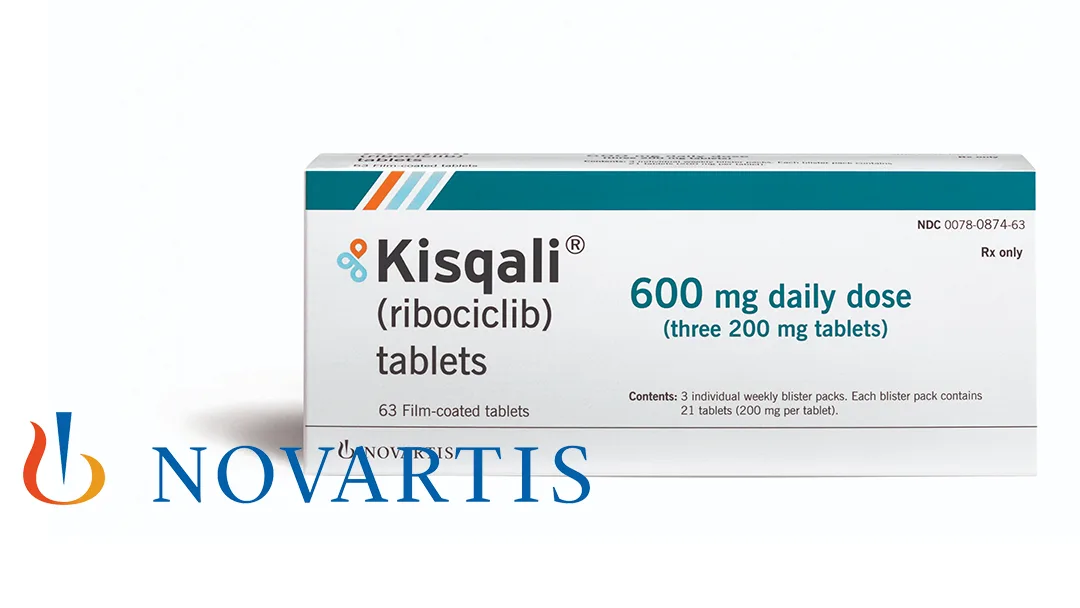
Novartis (NYSE: NVS) presented the five‑year interim analysis of its pivotal Phase III NATALEE study at the 2025 European Society for Medical Oncology (ESMO) Congress. The data demonstrate that patients receiving Kisqali (ribociclib) in combination with endocrine therapy (ET) continue to reap benefits nearly two years after completing three years of treatment.
Key Findings
- Extended Follow‑Up – Median follow‑up of 58.4 months confirms durable benefit.
- Recurrence Reduction – In a broad cohort of high‑risk Stage II/III HR+/HER2‑ early breast cancer (EBC) patients, Kisqali + ET reduced the risk of recurrence by 28.4 % versus ET alone (HR = 0.716; 95 % CI 0.618‑0.829; P < 0.0001).
- Broad Population Benefit – The benefit spans patients with diverse tumor biology and prior treatment histories.
About Kisqali (Ribociclib)
- Selective CDK4/6 Inhibitor – Targets cyclin‑dependent kinases 4 and 6, halting tumor cell cycle progression.
- Global Approval – Licensed in >100 countries for breast cancer treatment.
- Clinical Impact – Proven efficacy across metastatic, early‑stage, and adjuvant settings.
Implications for Oncology Practice
- Long‑Term Disease Control – Supports the role of prolonged CDK4/6 inhibition in preventing recurrence.
- Patient Management – Provides clinicians with evidence to justify extended therapy beyond the initial three‑year window.
- Strategic Positioning – Strengthens Novartis’s portfolio in the highly competitive HR+/HER2‑ breast‑cancer market.
Forward‑Looking Statements
This release contains forward‑looking statements that involve risks and uncertainties. Actual results may differ materially.-Fineline Info & Tech