



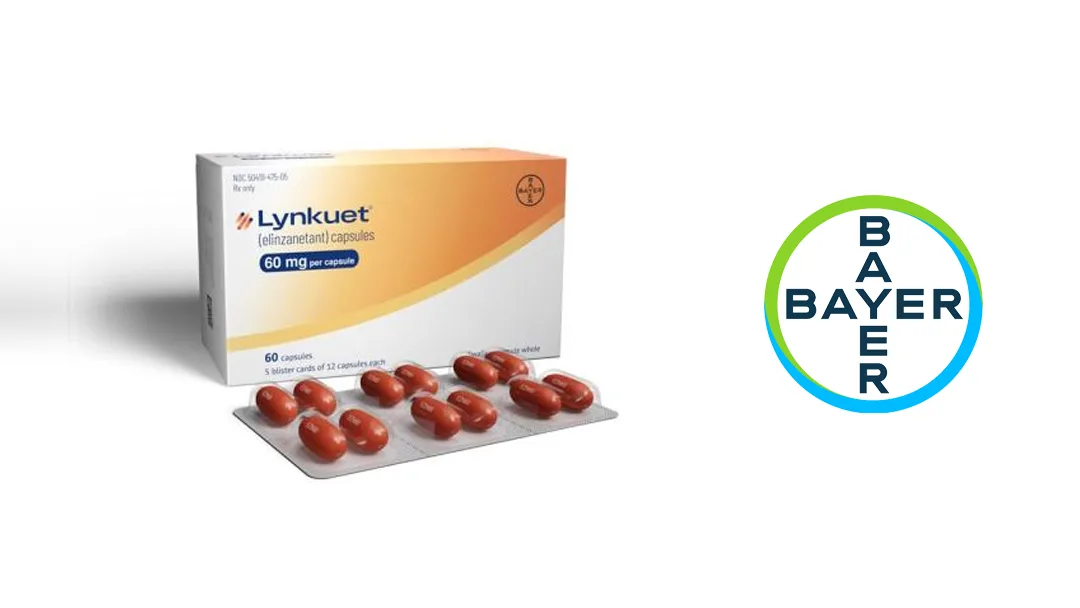
Bayer (ETR: BAYN) announced that the U.S. Food and Drug Administration had granted marketing approval for elnizanetant, the first dual neurokinin (NK) receptor antagonist to treat moderate‑to‑severe vasomotor symptoms (VMS) of menopause. Commercially branded as Lynkuet, the drug is slated for U.S. launch in November 2025, following the swift clearance of its pivotal trials and a thorough safety review.
Dual‐Action Mechanism Explains Potent Symptom Relief
Elnizanetant targets both neurokinin‑1 (NK‑1) and neurokinin‑3 (NK‑3) receptors, blocking the signaling of Substance P and neurokinin B (NKB). Research shows that KNDy neurons – comprising kisspeptin, NKB, and dynorphin – over‑activate when estrogen levels drop during menopause, disrupting the hypothalamic thermoregulatory circuit. By dampening this hyperactivity, the drug reduces hot flashes, sweating, and the sleep‑disturbing effects that plague most women in transition.
Competitive Landscape: A New Option for a $20 B Market
The global market for menopause symptom relief is projected to exceed $20 billion by 2028. Existing first‑line agents include selective estrogen‑receptor modulators (SERMs) and selective progesterone‑receptor modulators (SPRMs), yet many patients seek alternatives that sidestep hormone therapy. Elinzanetant’s monthly‑subcutaneous dosing and dual‑target profile could differentiate Bayer from established players such as Pfizer, Roche, and Lilly, who currently offer hormone‑based solutions.
Global Rollout and Future Approval Pathways
Beyond the United States, Lynkuet is already approved in Australia, Canada, the United Kingdom, and Switzerland, and the drug is pending acceptance in the European Union. Bayer has filed for approval in Japan, South Korea, and Brazil, positioning the product for a full‑world commercial launch.
Investor Takeaway
Bayer’s entry into the VMS arena expands its therapeutic footprint beyond oncology and cardiovascular indications. The dual‑NK mechanism, combined with strong safety data and an attractive dosing schedule, will likely strengthen the company’s patent moat and open new revenue streams in an aging female population. Investors should monitor post‑marketing uptake, real‑world effectiveness data, and the speed of EU clearance as key catalysts moving forward.-Fineline Info & Tech