


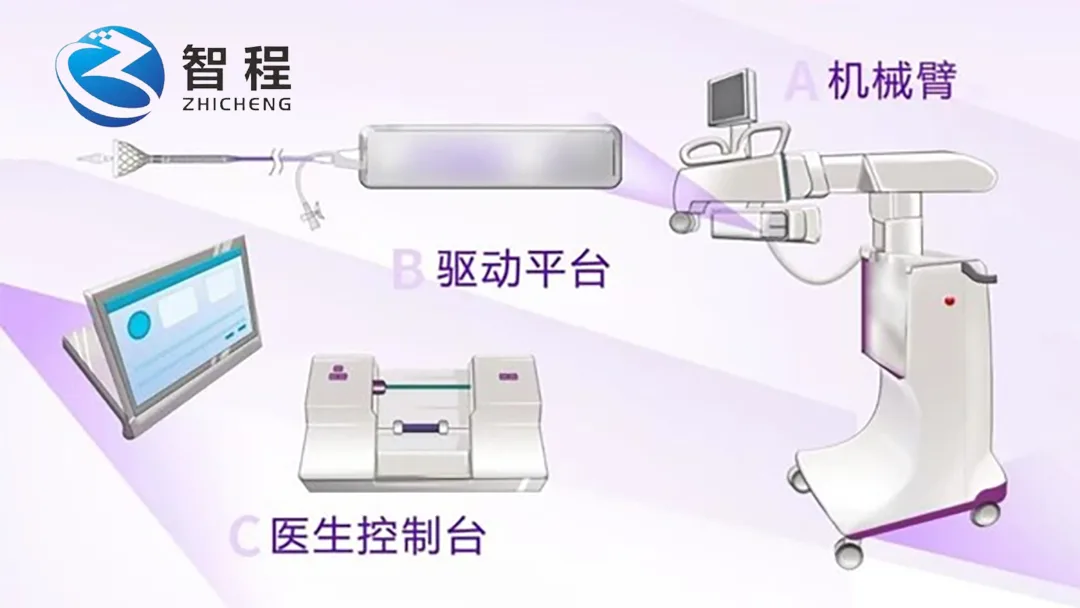
Zhicheng Medical Technology (Jiaxing) Co., Ltd. announced that its self‑developed ReachTact Transcatheter Aortic Valve Replacement (TAVR) Surgical Assistance System has entered the National Medical Products Administration’s (NMPA) Innovative Medical Device Special Review Pathway, becoming the first TAVR robotic system in China’s structural heart disease field to achieve this status.
Contents
Regulatory Milestone
| Item | Details |
|---|---|
| Entry Date | 15 Dec 2025 |
| Pathway | NMPA Innovative Medical Device Special Review |
| Product | ReachTact TAVR Surgical Assistance System |
| Significance | First TAVR robotic system in China to enter the program |
| Expected Benefit | Expedited review and approval process; potential for 3‑year market exclusivity |
| Launch Timeline | 2027‑2028 (pending successful review) |
Product Innovation & Technical Features
| Feature | ReachTact System | Clinical Advantage |
|---|---|---|
| Control System | Master‑slave robotic control | Surgeon operates from radiation‑shielded environment |
| Precision | Sub‑millimeter accuracy | Stable grasp of ultra‑stiff guidewires and devices |
| Haptic Feedback | Low‑latency force feedback | Shortens learning curve; ensures patient safety |
| Surgical Team | Single‑person synchronous control | Reduces team size and coordination complexity |
| Design | Bionic, natural interactive handle | Replicates traditional TAVR push‑pull/rotation techniques |
| Future Integration | Compatible with 5G for remote surgery | Enables decentralization of high‑quality care |
Market Opportunity
| Metric | Value | Context |
|---|---|---|
| China TAVR Market Size | ¥8‑10 billion (≈ US$1.1‑1.4 B) (2025) | Growing at 25‑30% CAGR |
| Annual TAVR Procedures | ~10,000 (2024) | Projected to reach 50,000 by 2030 |
| Robotic Penetration | <5% of TAVR procedures | High growth potential with innovation pathway incentives |
| ReachTact Peak Sales | ¥1.2‑1.8 billion (≈ US$170‑250 M) by 2032 | 15‑20% share of robotic‑assisted TAVR segment |
| Competitive Moat | First‑mover in China; proprietary master‑slave + haptic tech | 3‑year NMPA innovation exclusivity |
Strategic Implications
- For Zhicheng: Innovation pathway entry validates platform technology; positions company as leader in structural heart robotics; potential for global expansion via 5G remote capabilities.
- For Physicians: Radiation shielding reduces occupational exposure; haptic feedback and bionic design shorten learning curve for young surgeons; sub‑millimeter precision enhances procedural safety.
- For Patients: Reduced surgical team size may lower infection risk; remote surgery potential democratizes access to high‑volume TAVR centers; precision may improve valve positioning and reduce paravalvular leak.
Forward‑Looking Statements
This brief contains forward‑looking statements regarding ReachTact’s review timeline, market penetration, and commercial rollout. Actual results may differ due to regulatory feedback, competitive responses, or technology adoption rates.-Fineline Info & Tech