


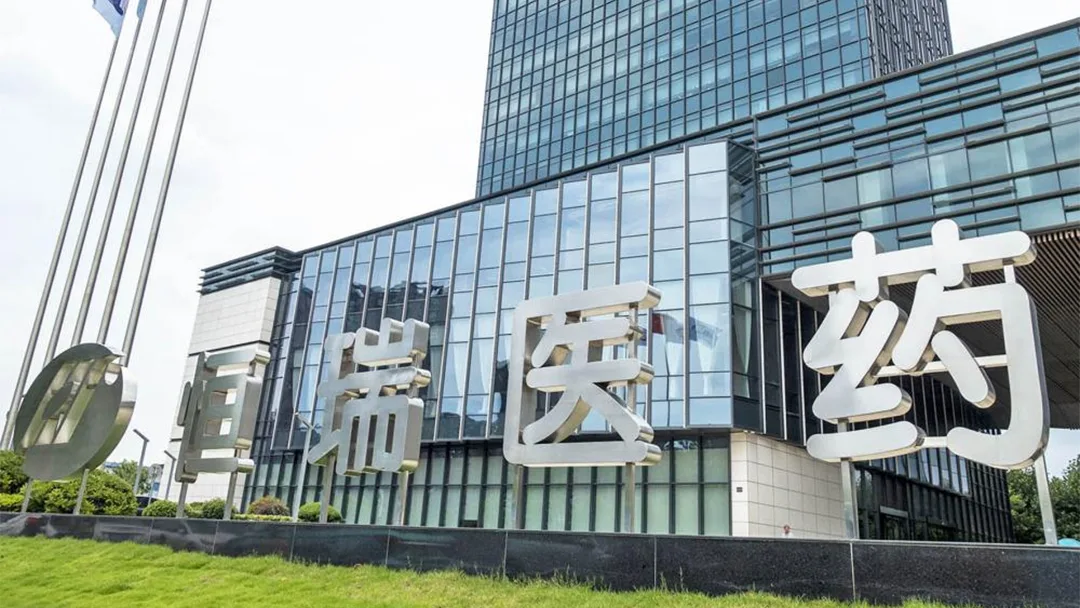
Jiangsu Hengrui Pharmaceuticals Co., Ltd. (SHA: 600276, HKG: 1276) announced that its drug candidate HRS-6257 has received Clinical Trial Approval (IND) from China’s National Medical Products Administration (NMPA) for the treatment of acute and chronic pain, positioning the company to enter a first-in-class mechanism with no currently approved competitors in China.
Regulatory Milestone
| Item | Detail |
|---|---|
| Product | HRS-6257 (novel analgesic) |
| Company | Jiangsu Hengrui Pharmaceuticals (600276.SH/1276.HK) |
| Indication | Acute and chronic pain |
| Regulatory Status | IND approved by NMPA |
| Mechanism | Novel target (first-in-class in China) |
| Competitive Position | No approved drugs with same mechanism in China |
Product Profile & Mechanism
HRS-6257 represents a novel therapeutic approach to pain management:
- First-in-Class Potential: According to Hengrui’s research, no drugs targeting the same mechanism have been approved in China, suggesting a new molecular target or pathway distinct from conventional analgesics
- Dual Indication: Addresses both acute pain (post-operative, trauma) and chronic pain (neuropathic, inflammatory)
- Market Need: Targets the opioid-sparing trend and addresses unmet need in chronic pain where current therapies have limited efficacy or significant side effects
Market Opportunity: China Pain Management
China Pain Market Overview:
- Market Size: ¥85 billion (≈ US$11.8 billion) in 2025, growing at 12% CAGR
- Acute Pain Segment: ¥45 billion (post-surgical, trauma); dominated by opioids and NSAIDs
- Chronic Pain Segment: ¥40 billion (neuropathic, osteoarthritis, low back pain); 30‑40% of patients inadequately controlled
- Opioid Restrictions: Chinese government tightening opioid prescribing creates demand for novel non-opioid analgesics
Target Population:
- Acute pain: ~50 million surgical procedures annually
- Chronic pain: >300 million patients with moderate-to-severe chronic pain conditions
Competitive Landscape
| Drug Class | Key Players (China) | Mechanism | Limitations |
|---|---|---|---|
| Opioids | Mundipharma, Qilu | μ-opioid receptor | Addiction risk, regulatory restrictions |
| NSAIDs | Pfizer, Jiangsu Hengrui (generic) | COX inhibition | GI bleeding, cardiovascular risk |
| Gabapentinoids | Pfizer, CSPC | Calcium channel modulation | Sedation, limited neuropathic efficacy |
| Tricyclics | Generic manufacturers | SNRI | Anticholinergic side effects |
| Novel Targets | HRS-6257 (Hengrui) | Undisclosed/new pathway | Phase I pending |
White Space Opportunity: If HRS-6257 demonstrates superior efficacy/safety vs. opioids and gabapentinoids, it could capture 5‑10% of the chronic pain market within 5 years.
Development Strategy & Financial Outlook
Clinical Development Plan:
| Phase | Design | Primary Endpoints | Timeline |
|---|---|---|---|
| Phase I | Single/Multiple ascending dose | Safety, PK, PD biomarkers | Initiate Q1 2026 |
| Phase II | Proof-of-concept in chronic pain | Efficacy vs. placebo | 2026‑2027 |
| Phase III | Registration trials (acute & chronic) | Non‑inferiority/superiority vs. standard of care | 2027‑2029 |
| NDA Filing | Rolling submission | – | Target 2029 |
Revenue Projections:
- Peak Penetration: 3‑5% of chronic pain market ( ¥1.2‑2.0 billion peak sales by 2032 )
- Pricing: Projected ¥15,000‑20,000 annual cost (premium to gabapentinoids, competitive with branded NSAIDs)
- Royalties: Hengrui retains 5‑8% royalties on net sales if partnered internationally
Strategic Rationale
Portfolio Expansion: HRS-6257 complements Hengrui’s oncology dominance by diversifying into high‑growth pain management, reducing therapeutic area concentration risk.
Innovation Leadership: Demonstrates Hengrui’s commitment to first‑in‑class R&D beyond its traditional me‑too strategy, enhancing its reputation among global pharma partners.
Commercial Leverage: Hengrui’s 5,000‑person sales force covering 3,000+ tertiary hospitals can rapidly commercialize HRS-6257 if approved, particularly in orthopedics, neurology, and pain clinics.
Forward‑Looking Statements
This brief contains forward‑looking statements regarding HRS-6257’s clinical development timeline, market penetration, revenue forecasts, and competitive positioning. Actual results may differ materially due to clinical safety/efficacy outcomes, competitive dynamics, regulatory review timelines, and market access policies.-Fineline Info & Tech