


The Medical Products Administration of Guangdong Province (GDMPA) and Health Commission of Guangdong Province (GDHC) have released the “List of Urgently Needed Drugs and Medical Devices Imported from Hong Kong and Macao for Clinical Use in the Nine Mainland Cities of the Guangdong‑Hong Kong‑Macao Greater Bay Area (2025 Edition)”, expanding access to 115 products—including 45 drugs and 70 medical devices—across the mainland GBA cities.
Policy Milestone
| Item | Detail |
|---|---|
| Issuing Authorities | GDMPA + GDHC (Guangdong Province) |
| Policy Scope | Nine mainland Greater Bay Area cities |
| Total Products | 115 (45 drugs + 70 medical devices) |
| Selection Model | Pioneering “active leadership” mechanism (vs. passive acceptance) |
| Leading Varieties | 16 flagship products including orphan drugs and high‑end surgical equipment |
Selection Mechanism Innovation
The 2025 edition introduces a four‑channel sourcing model to identify urgently needed varieties:
| Channel | Description | Contribution |
|---|---|---|
| National Urgently Needed List | Products already designated as clinically urgent nationally and available in Hong Kong/Macau | Regulatory alignment |
| Pre‑Review Database | Varieties previously collected in GDMPA’s screening database | Historical pipeline |
| Clinical Expert Recommendations | Frontline physician and hospital pharmacist nominations | Unmet need validation |
| Enterprise Proposals | Manufacturer and distributor submissions | Commercial supply‑side input |
Process: 129 candidate varieties → Two‑round GDMPA Evaluation and Inspection Center review → Expert panel assessment (clinical medicine, pharmacy, adverse reactions) → 16 leading varieties finalized
Leading Varieties Profile
| Category | Examples | Strategic Value |
|---|---|---|
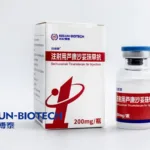
| Orphan Drugs | Short bowel syndrome therapies, congenital thrombotic thrombocytopenic purpura treatments | Addresses rare disease gaps with limited domestic alternatives |
| Surgical Robotics | Advanced robotic surgical systems | Accelerates minimally invasive surgery adoption in tier‑1 GBA hospitals |
| Digestive Imaging | Functional intraluminal imaging systems | Enhances endoscopic diagnostic precision for gastrointestinal diseases |
Market Impact & Regulatory Significance
- “Active Leadership” Shift: The new selection model transforms the Greater Bay Area Access initiative from reactive import approvals to proactive pipeline curation, enabling faster commercialization for innovative therapies and devices.
- Rare Disease Acceleration: Inclusion of orphan drugs for short bowel syndrome and TTP signals Guangdong’s prioritization of high‑unmet‑need therapeutics, potentially creating a regulatory template for national rare disease access programs.
- MedTech Import Channel: The 70‑device quota—including surgical robots and advanced endoscopy systems—provides multinational manufacturers with a streamlined pathway to serve China’s premium hospital market without full NMPA registration.
- GBA Integration: The policy reinforces the Greater Bay Area as a healthcare innovation sandbox, leveraging Hong Kong/Macau’s international regulatory approvals to bypass traditional mainland clinical trial requirements for urgent needs.
Implementation Roadmap
| Phase | Activity | Timeline |
|---|---|---|
| Immediate | Hospital procurement activation for 115 listed products | Q1 2026 |
| Ongoing | Dynamic database updates and leading variety rotation | Quarterly reviews |
| Expansion | Evaluation of 2026 edition scope expansion | 2026 planning cycle |
| National Template | Potential policy export to other pilot free trade zones | 2026‑2027 |
Forward‑Looking Statements
This brief contains forward‑looking statements regarding the Guangdong GBA drug and device access program expansion, commercial uptake of listed products, and potential national policy replication. Actual results may differ due to hospital procurement execution, supply chain logistics for Hong Kong/Macau imports, and regulatory adjustments to the access mechanism.-Fineline Info & Tech