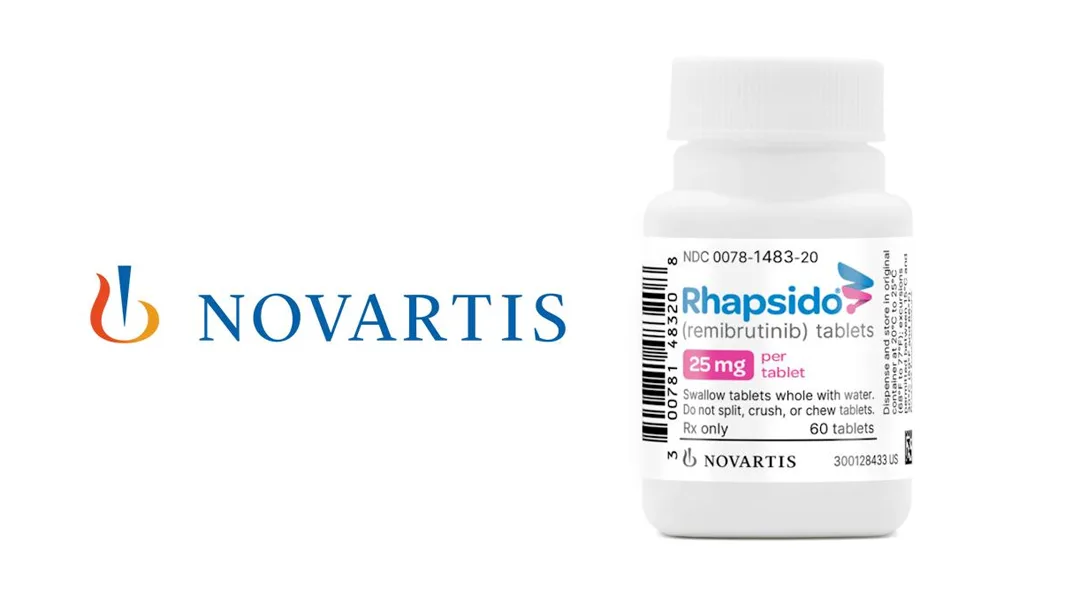
Novartis (NYSE: NVS) announced that the Committee for Medicinal Products for Human Use (CHMP) of the European Medicines Agency (EMA) has adopted a positive opinion recommending marketing authorization for remibrutinib as an oral treatment for chronic spontaneous urticaria (CSU) in adult patients with inadequate response to H1‑antihistamines. The European Commission (EC) is expected to issue a final decision within approximately two months, following prior approvals in the US and China under the brand name Rhapsido.
Highly selective BTK inhibition (vs. other kinases)
Administration
Oral (convenience advantage vs. injectable biologics)
Strategic Implications
CSU Unmet Need: Chronic spontaneous urticaria affects millions globally; ~ 50% of patients have inadequate response to H1‑antihistamines, creating demand for next‑line oral and biologic therapies.
BTK Inhibitor Differentiation: Remibrutinib is the first oral BTK inhibitor approved for CSU, competing with injectable biologics (Xolair/omalizumab) and offering patient convenience and lower cost‑of‑goods.
Liver Safety Profile:No liver safety concerns through 52 weeks differentiates remibrutinib from earlier‑generation BTK inhibitors (ibrutinib, zanubrutinib) with hepatotoxicity signals.
Global Launch Momentum:US and China approvals (as Rhapsido) preceded EU opinion; coordinated global rollout supports franchise value maximization and competitive positioning vs. pipeline BTK inhibitors.
Market Context
Factor
Impact
CSU Market Size
~ $2 billion globally; growing recognition of disease burden and treatment gaps
Treatment Paradigm
H1‑antihistamines → add‑on therapies (remibrutinib, Xolair) → immunosuppressants; oral BTK positions between antihistamines and biologics
Competitive Landscape
Biohaven’s riliprubart (BTK inhibitor) in development; remibrutinib first‑to‑market advantage critical
Novartis Immunology
Adds to Xolair franchise; remibrutinib provides oral alternative for CSU patients not requiring biologic intensity
Forward‑Looking Statements This brief contains forward‑looking statements regarding EC final approval, commercial launch timelines, and market share capture in EU CSU market. Actual results may differ due to risks including reimbursement negotiations, competitive BTK inhibitor launches, and long‑term safety monitoring requirements.-Fineline Info & Tech
Insight, China's Pharmaceutical Industry Fineline Info & Tech is a comprehensive global pharmaceutical database that spans the entire product lifecycle. Its mission is to equip professionals and executives across all sectors of the life sciences industry with a standardized data language, offering a holistic view of the Chinese pharmaceutical competitive landscape. Flcube.com furnishes critical data essential for informed decision-making, drawing on global industry news, policy insights, competitive intelligence, and advanced analytical tools.