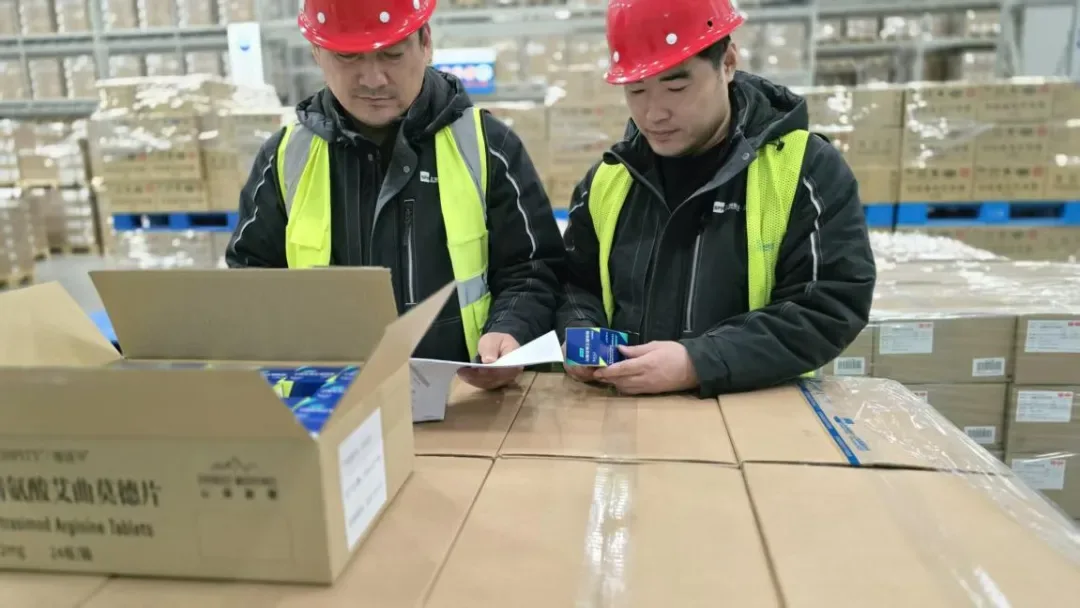



Jiangsu Hengrui Pharmaceuticals Co., Ltd. (SHA: 600276, HKG: 1276) announced that HRS9531, a novel dual agonist targeting GIPR and GLP-1R, has received NMPA clinical trial approval for the treatment of chronic kidney disease (CKD). The approval marks a strategic expansion of Hengrui’s globally proprietary incretin platform beyond its established glycemic control and weight management applications into renal protection, positioning the candidate as a potential multi-indication metabolic-renal therapy.
Regulatory Milestone
| Item | Detail |
|---|---|
| Agency | NMPA (China) |
| Approval Type | Clinical trial authorization (IND) |
| Product | HRS9531 |
| Drug Class | Dual GIPR/GLP-1R agonist (small molecule/peptide hybrid) |
| New Indication | Chronic kidney disease (CKD) |
| Prior Indications | Type 2 diabetes, obesity (Phase II/III ongoing) |
| IP Status | Global proprietary intellectual property rights |
| Developer | Jiangsu Hengrui Pharmaceuticals (SHA: 600276, HKG: 1276) |
| Approval Date | 9 Mar 2026 |
Drug Profile & Mechanism
| Attribute | HRS9531 Profile |
|---|---|
| Targets | Gastric inhibitory polypeptide receptor (GIPR) + Glucagon-like peptide-1 receptor (GLP-1R) |
| Mechanism Class | Dual incretin agonist (similar to tirzepatide) |
| Metabolic Effects | • Glucose regulation • Lipid metabolism optimization • Appetite suppression • Insulin sensitivity enhancement |
| Clinical Outcomes | Improved glycemic control; effective weight reduction |
| Renal Rationale | GLP-1R activation reduces glomerular hyperfiltration; GIPR modulation may provide additional renoprotection |
CKD Therapeutic Hypothesis:
- Hemodynamic: GLP-1R agonism reduces intraglomerular pressure and albuminuria
- Metabolic: Improved glycemic/lipid control slows diabetic nephropathy progression
- Anti-inflammatory: Dual incretin signaling may reduce renal fibrosis and inflammation
- Weight Benefit: Obesity-driven CKD (epidemic in China) addressed through metabolic component
Strategic Context & Competitive Landscape
| Factor | Market Implication |
|---|---|
| CKD Market Size | China: 100+ million CKD patients; diabetic nephropathy accounts for 40-50% of cases |
| GLP-1 in Nephrology | Semaglutide (FLOW trial) demonstrated 24% CKD progression risk reduction; regulatory filings pending globally |
| Dual Agonist Advantage | GIPR/GLP-1R co-activation potentially superior to GLP-1R alone for renal outcomes (emerging evidence) |
| Hengrui Positioning | First domestic dual incretin to enter CKD trials; challenges Eli Lilly’s tirzepatide for China market leadership |
| Global Ambitions | U.S./EU IND preparation ongoing; CKD indication may support differentiated labeling vs. diabetes/obesity |
Competitive Dynamics
| Competitor | Product | Mechanism | CKD Status | HRS9531 Differentiation |
|---|---|---|---|---|
| Novo Nordisk | Ozempic/Wegovy (semaglutide) | GLP-1R agonist | FLOW trial positive; label expansion pending | Dual GIPR/GLP-1R mechanism |
| Eli Lilly | Mounjaro/Zepbound (tirzepatide) | GIPR/GLP-1R dual agonist | SURPASS-CVOT renal data emerging | China-first CKD development; domestic manufacturing cost advantage |
| Hengrui | HRS9531 | Dual GIPR/GLP-1R agonist | Phase I-ready (CKD) | Globally proprietary IP; China market priority |
Development Outlook
| Phase | Timeline | Objectives |
|---|---|---|
| Phase I (CKD) | 2026-2027 | Safety, tolerability, albuminuria reduction biomarkers |
| Phase II | 2027-2028 | Dose-ranging, eGFR slope, composite renal endpoints |
| Phase III | 2028-2030 | Hard renal outcomes (ESRD, doubling of creatinine, renal death) |
| Regulatory Strategy | 2030-2031 | China NDA as first dual incretin CKD therapy; U.S./EU follow-on |
Forward‑Looking Statements
This brief contains forward‑looking statements regarding clinical development timelines, renal protective efficacy, and competitive positioning for HRS9531 in chronic kidney disease. Actual results may differ due to trial outcomes, regulatory requirements, and competitive dynamics with established GLP-1R agonists.-Fineline Info & Tech