


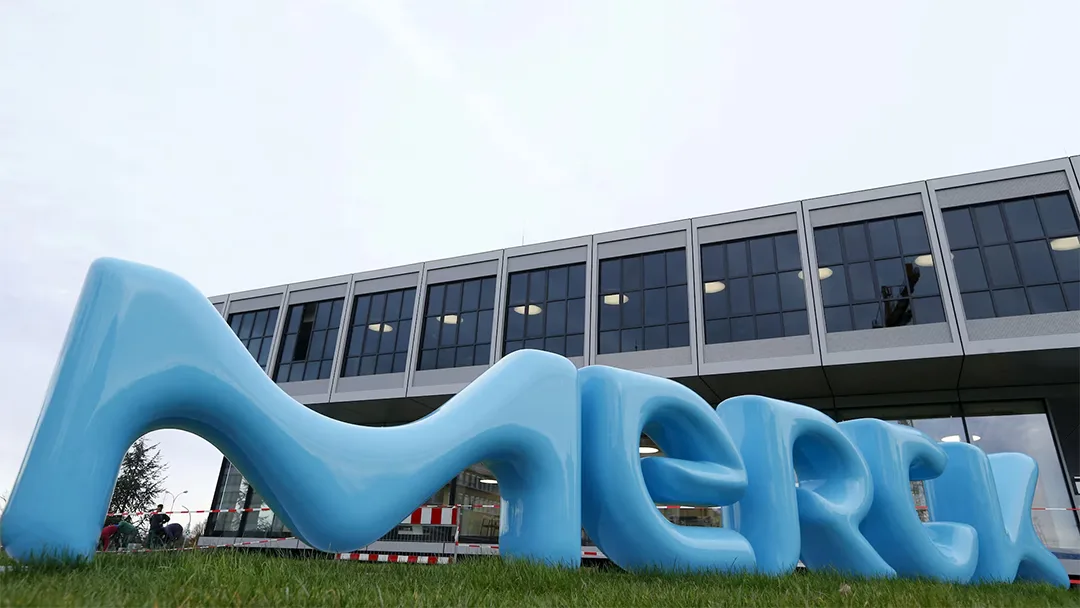
Merck KGaA (ETR: MRK) announced completion of a new R&D pipeline optimization, terminating development of SW-682 (Hippo pathway/TEAD inhibitor) acquired through its €2.3 billion SpringWorks purchase and ending its partnership on HRS-1167 (PARP1 inhibitor) licensed from Jiangsu Hengrui Pharmaceuticals in a €1.4 billion deal. The strategic retrenchment, which also discontinues Ogsiveo exploration in ovarian granulosa cell tumors, signals Merck’s sharpened focus on approved Rare Diseases assets over high-risk early-stage oncology bets.
Pipeline Cuts Overview
| Asset | Origin | Prior Investment | Status | Rationale |
|---|---|---|---|---|
| SW-682 | SpringWorks acquisition (2025) | €2.3 bn deal (total) | Terminated | Pan-TEAD inhibitor (Phase I) removed from active pipeline |
| HRS-1167 | Hengrui Pharmaceuticals license (2023) | Up to €1.4 bn | Partnership ended | PARP1 inhibitor deprioritized internally |
| Ogsiveo expansion | SpringWorks (Ogsiveo approved) | — | Discontinued | Ovarian granulosa cell tumor exploration halted |
Total Impacted Value: ~€3.7 billion in acquisition/licensing commitments
Strategic Context & Prioritization
| Asset Category | Decision | Merck Rationale |
|---|---|---|
| SW-682 (Hippo/TEAD) | Termination | SpringWorks acquisition centered on approved drugs (Ogsiveo, Gomekli); early-stage Hippo inhibitor high-risk, competitive landscape crowded |
| HRS-1167 (PARP1) | Partnership exit | Second-gen PARP inhibitors face efficacy/safety challenges; internal priority lowered amid portfolio review |
| Ogsiveo expansion | Indication halt | Ovarian granulosa cell tumor niche insufficient for commercial investment; focus on core desmoid tumor indication |
Retained SpringWorks Value:
- Ogsiveo (nirogacestat): Approved for desmoid tumors; revenue-generating
- Gomekli/Ezmekly (mirdametinib): Approved for NF1 plexiform neurofibromas; growth driver
Financial & Market Implications
| Factor | Impact |
|---|---|
| Write-down Risk | Potential impairment charges on SW-682 and HRS-1167 milestones; Q1 2026 earnings impact anticipated |
| R&D Efficiency | ~15-20% of oncology early-stage budget reallocated to Rare Diseases and core franchises |
| Investor Sentiment | Disciplined portfolio management viewed positively; avoids “throwing good money after bad” |
| Hengrui Relationship | Termination of PARP1 deal may strain future China partnerships; Merck retains other ADC options |
| Competitive Dynamics | TEAD inhibitor space (Vivace Therapeutics, iOnctura) loses major pharma entrant; PARP1 field consolidates around AstraZeneca, GSK |
Forward-Looking Pipeline Priorities
| Therapeutic Area | Focus | Rationale |
|---|---|---|
| Rare Diseases | Ogsiveo, Gomekli commercialization; pimicotinib (TGCT) | Proven revenue; defendable markets |
| Oncology (Late-stage) | Bavencio combinations; xevinapant (head/neck cancer) | Near-term approval potential |
| Immunology | Evobrutinib (BTK); talquetamab (GPRC5D) | Differentiated mechanisms |
| Early-stage cuts | Hippo, PARP1, Ogsiveo expansion | Resource reallocation to higher-ROI programs |
Forward‑Looking Statements
This brief contains forward‑looking statements regarding pipeline prioritization, impairment charges, and strategic focus for Merck KGaA following R&D optimization. Actual results may differ due to competitive dynamics, regulatory requirements for retained assets, and partnership renegotiations.-Fineline Info & Tech