



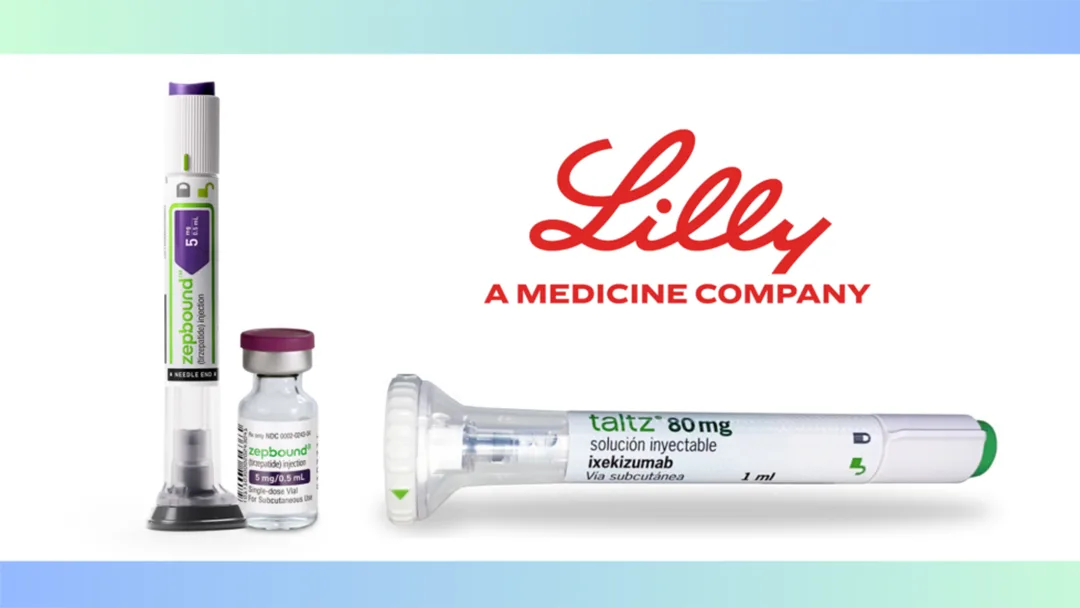
Eli Lilly and Company (NYSE: LLY) reported positive top-line results from the TOGETHER-PsA Phase IIIb open-label trial, demonstrating that the combination of Taltz® (ixekizumab) and Zepbound™ (tirzepatide) achieved statistically superior efficacy versus Taltz monotherapy in adults with active psoriatic arthritis (PsA) who are overweight or obese and have at least one weight-related comorbidity. At the 36-week primary endpoint, the dual-therapy regimen met all primary and key secondary endpoints, reinforcing Lilly’s strategy of integrating its immunology and metabolic franchises.
Clinical Trial Design & Outcomes
| Parameter | Taltz + Zepbound | Taltz Monotherapy | Outcome |
|---|---|---|---|
| Population | Adults with active PsA, BMI ≥27 + ≥1 weight-related comorbidity | Same | High-unmet-need subgroup |
| Primary Endpoint | ACR50 response at Week 36 | — | Met with statistical superiority |
| Key Secondary Endpoints | ACR20/70, HAQ-DI, enthesitis resolution, dactylitis clearance | — | All met |
| Mechanistic Rationale | Dual targeting: IL-17A inflammation + GLP-1/GIP-mediated metabolic improvement | IL-17A inhibition only | Addresses obesity-driven inflammation |
The data suggest that weight loss and metabolic modulation via tirzepatide may potentiate the anti-inflammatory effects of ixekizumab in this metabolically complex PsA cohort.
Drug Profiles
Taltz® (ixekizumab)
- Class: Humanized monoclonal antibody
- Target: Interleukin-17A (IL-17A)
- Mechanism: Binds IL-17A with high affinity, blocking interaction with IL-17 receptor → suppresses release of pro-inflammatory cytokines (e.g., IL-6, TNF-α) and chemokines
- Approved Indications: Psoriasis, PsA, axial spondyloarthritis
Zepbound™ (tirzepatide)
- Class: Dual GIP/GLP-1 receptor agonist
- Primary Use: Obesity and type 2 diabetes
- Relevance in PsA: Reduces adipose tissue inflammation, improves insulin sensitivity, and lowers systemic cytokine burden
Strategic Implications
- Franchise Synergy: First clinical validation of combining Lilly’s immunology (Taltz) and obesity (Zepbound) blockbusters
- Market Differentiation: Targets ~60% of PsA patients who are overweight/obese—a segment with reduced response to conventional biologics
- Commercial Upside: Potential for combination labeling and premium pricing in a $6B+ global PsA market
- Pipeline Signal: May inform future trials in other immune-metabolic conditions (e.g., hidradenitis suppurativa, NASH-associated arthritis)
Competitive Context
While rivals focus on single-pathway inhibition (e.g., JAK, IL-23, TNF), Lilly’s approach leverages multi-system biology—addressing both joint inflammation and its metabolic drivers. This could position the combo as a preferred regimen for comorbid PsA patients, a growing demographic worldwide.
Forward‑Looking Statements
This brief contains forward-looking statements regarding clinical development, regulatory pathways, and commercial potential. Actual outcomes may differ due to FDA/EMA review, safety findings, and market adoption dynamics.-Fineline Info & Tech