


UniXell Biotechnology, a clinical-stage cell therapy innovator, announced that China’s National Medical Products Administration (NMPA) has granted Investigational New Drug (IND) approval to initiate clinical studies of UX-GIP001, the company’s proprietary universal induced pluripotent stem cell (iPSC)-derived cell therapy for drug-resistant epilepsy. This marks a pivotal step toward validating a disease-modifying approach that addresses the root cause of epileptic seizures by restoring dysfunctional neural circuits.
Regulatory Milestone
| Item | Detail |
|---|---|
| Agency | NMPA (China) |
| Approval Type | IND clearance for Phase I/II clinical trial |
| Product | UX-GIP001 (allogeneic iPSC-derived inhibitory neural progenitor cells) |
| Indication | Drug-resistant focal epilepsy in adults |
| Approval Date | 9 Apr 2026 |
| Next Steps | Patient enrollment initiation within Q3 2026; primary endpoint: safety and seizure frequency reduction at 6 months |
Therapy Profile & Mechanism of Action
- Platform: Universal (off-the-shelf) iPSC-derived cell therapy with proprietary hypoimmunogenic engineering
- Target: Dysfunction of GABAergic inhibitory interneurons in epileptic foci
- Mechanism: Differentiated inhibitory neural progenitor cells integrate into host circuitry, restore GABA-mediated inhibition, and rebalance excitatory-inhibitory tone
- Innovation: First disease-modifying cell therapy for epilepsy; contrasts with conventional anti-seizure medications that merely suppress symptoms
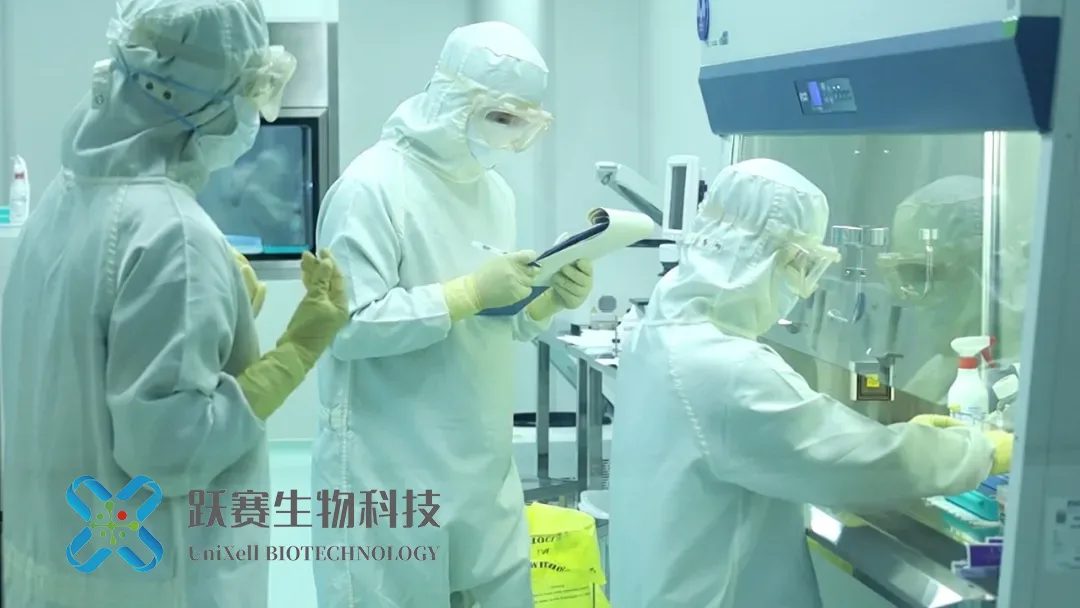
- Manufacturing: Closed, automated bioreactor process enabling scalable, consistent production under GMP
Preclinical Evidence
| Model | Endpoint | UX-GIP001 Result | Control | Significance |
|---|---|---|---|---|
| Chronic Epileptic Rat | Seizure Frequency (weekly) | ↓ 78% | No change | p < 0.001 |
| Human Neural Organoid | GABA Synapse Density | ↑ 3.2-fold | Baseline | p = 0.004 |
| Immunodeficient Mouse | Cell Survival (90 days) | >85% engraftment | N/A | Stable functional integration |
Data demonstrated sustained seizure suppression without immunosuppression and no tumorigenicity across 12-month observation.
Market Impact & Outlook
- Unmet Need: ~30% of epilepsy patients are drug-resistant; current options limited to invasive surgery or palliative care
- Competitive Edge: Only iPSC-derived therapy targeting neural circuit restoration; potential to redefine standard of care
- Commercial Strategy: Orphan drug designation pursuit in US/EU; partnership talks with global neurology-focused pharma underway
- Valuation Impact: Positions UniXell as a leader in CNS regenerative medicine; estimated market opportunity exceeds $2.5B globally by 2030
Forward-Looking Statements
This brief contains forward-looking statements regarding clinical development timelines, regulatory pathways, and commercial potential. Actual results may differ due to clinical trial outcomes, manufacturing challenges, and competitive dynamics.-Fineline Info & Tech