



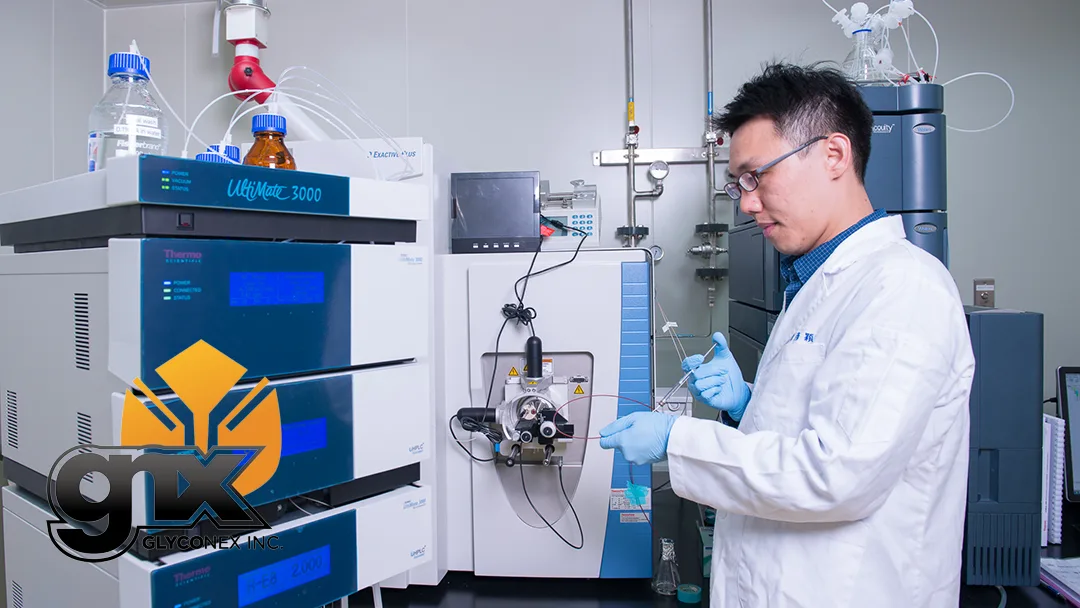
GlycoNex, Inc. announced on March 23, 2026, a strategic collaboration agreement with Nippon Kayaku Co., Ltd. to advance GNX201-ADC, a next-generation antibody-drug conjugate (ADC) candidate for the treatment of solid tumors. The partnership will focus on joint preclinical development activities, combining GlycoNex’s expertise in antibody engineering with Nippon Kayaku’s established capabilities in oncology drug development.
Collaboration Framework
| Component | Details |
|---|---|
| Partners | GlycoNex, Inc. and Nippon Kayaku Co., Ltd. |
| Asset | GNX201-ADC – next-generation antibody-drug conjugate |
| Therapeutic Focus | Solid tumors characterized by high levels of glycan antigens |
| Development Stage | Preclinical |
| Key Activities | ADC construct optimization, preclinical data generation for regulatory submissions |
| Announcement Date | March 23, 2026 |
Technology Platform & Innovation
- Activation Mechanism: Protease-activated ADC designed to remain stable in systemic circulation
- Tumor Selectivity: Selectively activated in the tumor microenvironment through protease-mediated cleavage
- Therapeutic Advantage: Enables targeted delivery of cytotoxic payload while minimizing effects on normal tissues
- Differentiation Strategy: Pro-antibody activation approach aims to improve therapeutic index and reduce on-target toxicity compared to conventional ADC platforms
- Target Population: Solid tumors with elevated glycan antigen expression, potentially including gastrointestinal, ovarian, and breast cancers
Strategic Rationale
- Complementary Expertise: GlycoNex contributes proprietary antibody engineering capabilities while Nippon Kayaku provides oncology development experience and regional market access
- Risk Mitigation: Shared investment in preclinical development reduces individual company risk while accelerating timeline
- Market Opportunity: Global ADC market projected to exceed $25 billion by 2030, with next-generation platforms commanding premium valuations
- Competitive Landscape: Addresses limitations of current ADCs including narrow therapeutic windows and dose-limiting toxicities
Development Roadmap
- Immediate Focus: Optimization of ADC construct including linker stability, drug-to-antibody ratio (DAR), and payload selection
- Preclinical Milestones: Comprehensive toxicology studies, pharmacokinetic/pharmacodynamic characterization, and efficacy validation in multiple solid tumor models
- Regulatory Strategy: Generation of robust preclinical package to support IND/CTA submissions in major markets
- Timeline Expectations: Potential clinical entry within 18–24 months pending successful preclinical optimization
Financial Terms
Specific financial terms of the collaboration were not disclosed. The agreement includes provisions for potential future milestone payments and royalty arrangements based on development and commercial success.
Forward‑Looking Statements
This brief contains forward-looking statements regarding development timelines, technological capabilities, and strategic expectations for GNX201-ADC. Actual results may differ due to risks inherent in biopharmaceutical development, including preclinical and clinical trial outcomes, regulatory approvals, and competitive dynamics.-Fineline Info & Tech