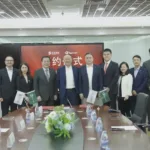



Zai Lab (NASDAQ: ZLAB, HKG: 9688) and Boehringer Ingelheim (BI) have announced a strategic clinical collaboration to evaluate the combination of obrixtamig, BI’s DLL3/CD3 bispecific T-cell engager, and zocilurtatug pelitecan (zoci), Zai Lab’s DLL3-targeted antibody-drug conjugate (ADC). The partnership will focus on a Phase Ib/II clinical study assessing the safety, tolerability, and preliminary clinical activity of this novel dual DLL3-targeting approach in patients with high unmet medical need.
Clinical Development Framework
| Component | Detail |
|---|---|
| Combination Therapy | Obrixtamig (DLL3/CD3 bispecific T-cell engager) + Zocilurtatug pelitecan (DLL3-targeted ADC) |
| Study Phase | Phase Ib/II |
| Primary Objectives | Safety, tolerability, and preliminary clinical activity |
| Target Indications | Poorly differentiated neuroendocrine carcinoma (NEC) and extensive-stage small cell lung cancer (ES-SCLC) |
| Patient Population | Patients with aggressive neuroendocrine cancers requiring more effective treatment options |
| Study Sponsor | Boehringer Ingelheim |
| Drug Supply | Zai Lab to provide zocilurtatug pelitecan clinical study drug |
Asset Profiles
Obrixtamig (Boehringer Ingelheim)
- Mechanism: DLL3/CD3 bispecific T-cell engager
- Target: Delta-like ligand 3 (DLL3), highly expressed in neuroendocrine tumors
- Mode of Action: Redirects T-cells to DLL3-expressing tumor cells, inducing targeted cytotoxicity
- Development Stage: Clinical development phase with prior Phase I data demonstrating anti-tumor activity
Zocilurtatug Pelitecan (Zai Lab)
- Former Designation: ZL-1310
- Mechanism: DLL3-targeted antibody-drug conjugate (ADC)
- Payload: Topoisomerase I inhibitor linked to anti-DLL3 monoclonal antibody
- Target: Same DLL3 antigen, but delivers cytotoxic payload directly to tumor cells
- Development Stage: Investigational asset with preclinical proof-of-concept established
Strategic Rationale
Scientific Innovation
- Dual Targeting Approach: Simultaneous engagement of DLL3 through two distinct mechanisms may enhance anti-tumor efficacy while potentially overcoming resistance mechanisms
- Complementary Mechanisms: T-cell redirection (obrixtamig) combined with direct cytotoxic payload delivery (zoci) creates multi-modal attack on DLL3-expressing tumors
- High Unmet Need: Both poorly differentiated NEC and ES-SCLC represent aggressive malignancies with limited treatment options and poor survival outcomes
Partnership Structure
- Operational Responsibilities: Boehringer Ingelheim serves as study sponsor with oversight of day-to-day clinical operations
- Asset Rights: Both parties retain full rights to their respective proprietary compounds
- Resource Allocation: Efficient division of responsibilities leverages each company’s core competencies in global clinical development
Market Context & Therapeutic Significance
- DLL3 Target Prevalence: Expressed in >80% of SCLC and neuroendocrine carcinoma cases, making it an attractive therapeutic target
- ES-SCLC Landscape: Limited second-line options with median overall survival of 6-8 months after first-line therapy failure
- NEC Treatment Gap: Poorly differentiated NEC represents an orphan indication with no standardized treatment protocols beyond platinum-based chemotherapy
- Combination Therapy Trend: Increasing focus on rational combinations targeting the same pathway through complementary mechanisms to maximize efficacy
“This collaboration represents a scientifically rational approach to addressing some of the most challenging cancers in oncology,” said Dr. Samantha Du, Founder, CEO, and Chairperson of Zai Lab. “By combining our DLL3-targeted ADC with Boehringer Ingelheim’s bispecific T-cell engager, we aim to deliver meaningful clinical benefit to patients with limited treatment options.”
Forward-Looking Statements
This brief contains forward-looking statements regarding clinical development plans, partnership implementation, and therapeutic potential. Actual results may differ due to risks including clinical trial outcomes, regulatory requirements, competitive developments, and scientific uncertainties inherent in drug development.-Fineline Info & Tech