



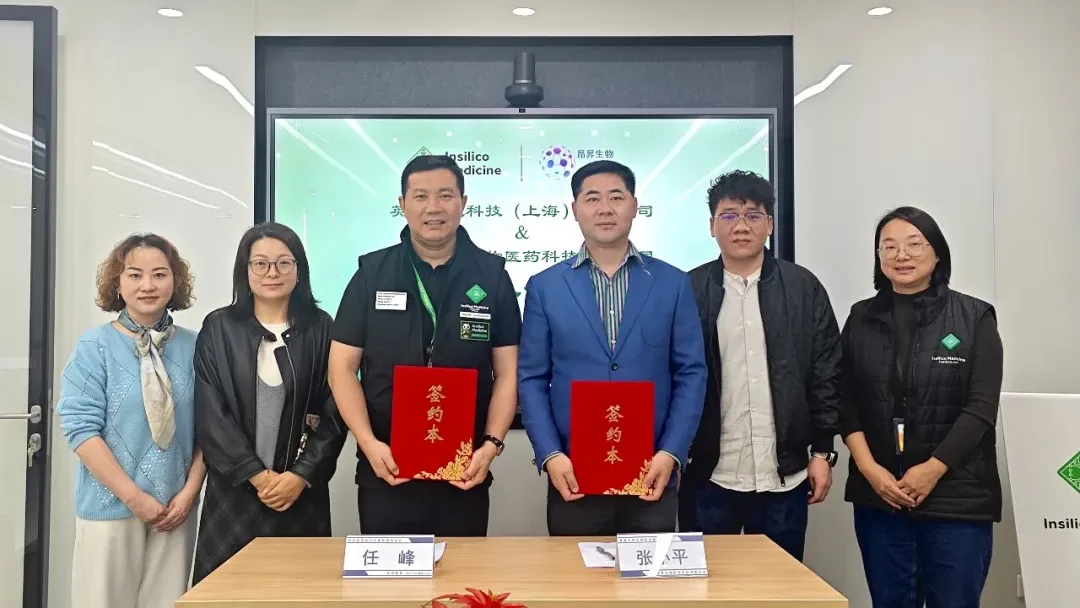
Insilico Medicine (HKG: 3696), a leading artificial intelligence (AI) drug discovery platform, has announced a strategic partnership with Ancestor Cell, a Chinese biotechnology company specializing in stem cell research, to develop precision therapeutics using stem cells and their derivatives. The collaboration combines Insilico’s generative AI capabilities with Ancestor Cell’s exosome biology expertise to accelerate the translation of stem cell exosome therapies from basic research to clinical application.
Partnership Framework
| Component | Insilico Medicine Contribution | Ancestor Cell Contribution |
|---|---|---|
| Core Expertise | Generative AI technology leadership and target discovery | Stem cell exosome R&D and biological validation |
| Technology Platform | Pharma.AI platform with PandaOmics target discovery engine | Multi-source exosome preparation and purification systems |
| Data Analysis | Deep mining and logical modeling of massive omics datasets | Omics data generation and biological interpretation |
| Experimental Validation | Computational target validation and compound matching | Cellular and animal experimental validation |
| Strategic Output | Precise screening of exosome active ingredients matched to disease targets | High-quality exosome production for therapeutic development |
Innovation Strategy – Dual-Engine Approach
AI Algorithm Engine (Insilico Medicine)
- Platform: Pharma.AI integrated drug discovery platform
- Core Technology: PandaOmics target discovery engine for multi-omics data analysis
- Methodology: Deep mining of “exosome-disease” association maps through generative AI
- Output: Logical modeling to identify and prioritize exosome-derived therapeutic candidates
- Innovation: Precise matching of exosome active ingredients to specific disease targets
Exosome Biology Engine (Ancestor Cell)
- Specialization: Stem cell-derived exosome research and development
- Capabilities: Multi-source exosome preparation, purification, and characterization
- Validation Pipeline: Comprehensive cellular and animal models for functional assessment
- Data Generation: High-quality omics datasets from diverse exosome sources
- Therapeutic Focus: Translation of exosome biology into clinically relevant applications
Strategic Objectives
Database Development
- Exosome Multi-Omics Database: Jointly constructed comprehensive repository of exosome molecular profiles
- Disease Association Mapping: Systematic correlation of exosome signatures with disease states and therapeutic outcomes
- AI Training Data: High-quality biological data to enhance generative AI model accuracy and predictive power
Therapeutic Acceleration
- Target Identification: Rapid discovery of novel exosome-derived therapeutic targets through AI-driven analysis
- Candidate Prioritization: Efficient screening and selection of high-potential exosome formulations
- Development Timeline: Significant reduction in time from discovery to preclinical validation
- Clinical Translation: Streamlined pathway from basic research to IND-enabling studies
Market Context & Industry Implications
- Exosome Therapeutics Market: Global market valued at USD 1.2 billion in 2025, projected to reach USD 4.8 billion by 2030 (32% CAGR)
- AI in Drug Discovery: Increasing adoption of generative AI platforms accelerating target identification and validation timelines by 60-70%
- Stem Cell-Derived Therapies: Growing regulatory acceptance and clinical validation of exosome-based approaches across multiple indications
- China Biotech Ecosystem: Strong government support for AI-biotech convergence through national strategic initiatives
“This partnership represents a perfect synergy between cutting-edge AI and advanced stem cell biology,” said Alex Zhavoronkov, Founder and CEO of Insilico Medicine. “By combining our generative AI capabilities with Ancestor Cell’s deep exosome expertise, we can systematically unlock the therapeutic potential of stem cell-derived exosomes and accelerate their path to patients.”
Forward-Looking Statements
This brief contains forward-looking statements regarding partnership implementation, technological development, and therapeutic potential. Actual results may differ due to risks including technical challenges in AI-biology integration, regulatory requirements, competitive developments, and uncertainties inherent in novel therapeutic modalities.-Fineline Info & Tech