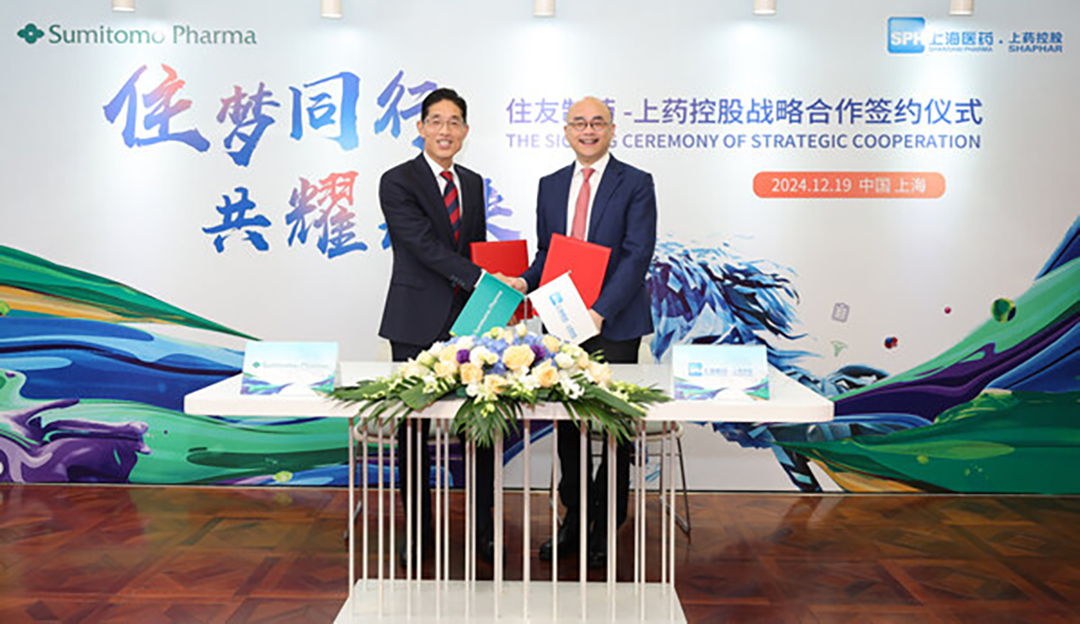



Nanjing Leads Biolabs Co., Ltd. (HKG: 9887) announced that its US partner Dianthus Therapeutics (NASDAQ: DNTH) has selected Sjögren’s disease (SjD), systemic lupus erythematosus (SLE), and dermatomyositis (DM) as the first three priority indications for clinical development of LBL-047 (DNTH212), a novel bifunctional fusion protein for autoimmune diseases.
Partnership Structure & Strategic Framework
| Component | Details |
|---|---|
| Partnership Agreement | October 2025 |
| Deal Value | Up to $1 billion |
| Territory | Exclusive global rights outside Greater China for Dianthus |
| Development Approach | Joint global development collaboration |
| Lead Indications | Sjögren’s disease, systemic lupus erythematosus, dermatomyositis |
The strategic partnership leverages Dianthus’s expertise in autoimmune disease development while maintaining Leads Biolabs’ full rights in the Greater China region.
Drug Profile & Dual Mechanism of Action
- Molecule: LBL-047 (DNTH212) – bifunctional fusion protein
- Structure: Humanized anti-BDCA2 antibody + engineered TACI extracellular domain
- Primary Target: Blood dendritic cell antigen 2 (BDCA2)
- Secondary Target: BAFF/APRIL signaling pathways via TACI domain
Dual Therapeutic Actions:
- pDC Depletion: Selectively depletes plasmacytoid dendritic cells (pDCs) to reduce type I interferon production
- B-cell Inhibition: Blocks BAFF and APRIL signaling pathways to inhibit B-cell activation, differentiation, and antibody generation
This dual mechanism addresses both innate and adaptive immune dysregulation characteristic of complex autoimmune diseases.
Priority Indication Rationale
| Indication | Disease Characteristics | Unmet Need |
|---|---|---|
| Sjögren’s Disease (SjD) | Chronic autoimmune disorder affecting exocrine glands | No approved disease-modifying therapies; symptomatic treatment only |
| Systemic Lupus Erythematosus (SLE) | Multisystem autoimmune disease with high morbidity | Limited treatment options; significant residual disease activity |
| Dermatomyositis (DM) | Inflammatory myopathy with skin manifestations | Few targeted therapies; reliance on immunosuppressants |
All three indications share common pathogenic features including type I interferon signature and B-cell hyperactivity, making them ideal targets for LBL-047’s dual mechanism of action.
Market Opportunity & Competitive Landscape
- Autoimmune Disease Market: Combined market for SjD, SLE, and DM exceeds $10 billion globally with significant growth potential
- Type I Interferon Focus: Growing recognition of interferon pathway as central driver in multiple autoimmune conditions
- BAFF/APRIL Inhibition: Validated target class with existing therapies, but LBL-047 offers enhanced dual targeting
- First-in-Class Potential: Unique bifunctional approach differentiates from single-mechanism competitors
- Global Development Strategy: Joint development accelerates regulatory pathways across major markets
The selection of these three high-need autoimmune indications positions LBL-047 to address significant unmet medical needs while leveraging the validated biology of both BDCA2 and TACI pathways.
Forward-Looking Statements
This brief contains forward-looking statements regarding clinical development, regulatory pathways, and partnership milestones. Actual results may differ due to risks including clinical trial outcomes, regulatory decisions, and competitive dynamics.-Fineline Info & Tech