



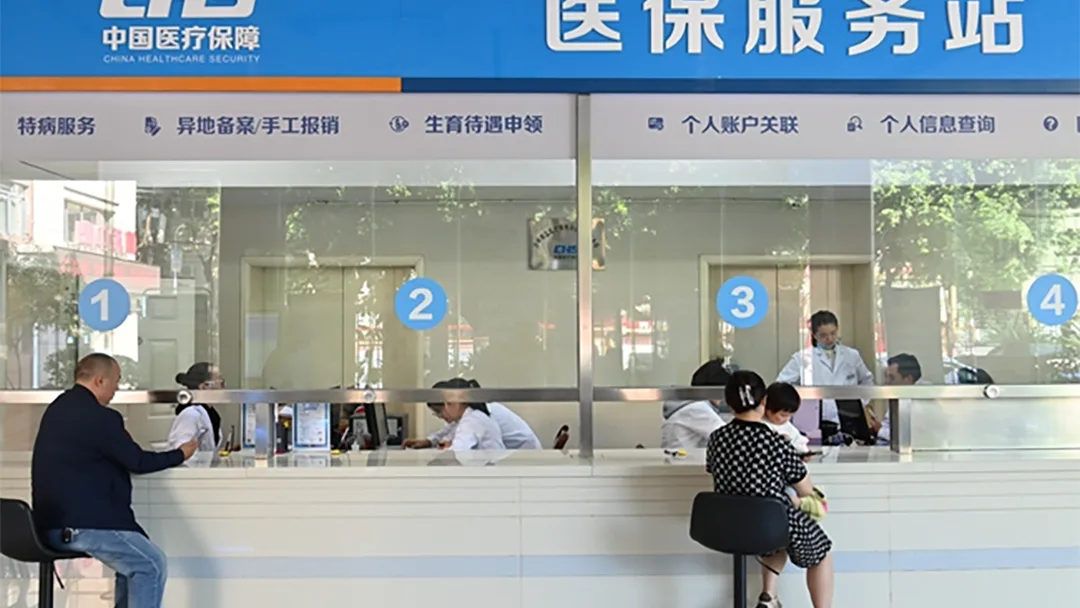
The Shanghai Municipal Healthcare Security Bureau issued the “Notice on Optimizing Payment Coordination for the 11th National Volume-Based Procurement (NVBP) Drugs”, effective May 1, 2026. The policy implements a “fixed-amount reimbursement” model that caps insurance coverage at NVBP winning prices, with patients responsible for any excess costs.
Policy Framework & Reimbursement Structure
| Scenario | Reimbursement Standard | Patient Cost Sharing |
|---|---|---|
| Drugs ≤ Reimbursement Standard | Actual selling price | Shared between patient and insurance fund per policy |
| Drugs > Reimbursement Standard | Capped at NVBP winning price | Up to standard: shared per policy; Excess: 100% out-of-pocket (OOP) |
| Five Indication-Based Drugs | Special higher OOP ratios | Essential/Class A: +20% OOP; Others: +30% OOP |
Key Policy Components
Fixed-Amount Reimbursement Model
- Generic Name Basis: Reimbursement standards determined by generic name (including formulation)
- NVBP Price Cap: Winning NVBP prices serve as reimbursement ceiling
- Patient Financial Responsibility: Excess costs above winning prices borne entirely by patients
- OOP Classification: Excess amounts counted toward patient’s out-of-pocket category
Five Indication-Based Volume Procurement Drugs
The following drugs receive special treatment with enhanced patient cost-sharing:
- Olaparib oral solid dosage form
- Dapagliflozin oral solid dosage form
- Avatrombopag maleate oral solid dosage form
- Eltrombopag olamine oral solid dosage form
- Nintedanib esylate oral solid dosage form
For these drugs, non-winning “high-priced” versions trigger 20-30% higher OOP ratios depending on drug classification.
Institutional Incentives & Procurement Guidelines
- Price Adjustment Encouragement: Non-winning manufacturers urged to align prices with similar products
- Procurement Priority: Medical institutions encouraged to prioritize drugs priced at or below reimbursement standard
- DRG/DIP Savings Retention: Rational drug use savings retained as institutional incentives upon settlement
- Primary Care Flexibility: Primary facilities supported in stocking non-winning drugs based on clinical needs
- No Ratio Requirements: No procurement ratio mandates for non-winning drugs in primary care for NVBP-targeted varieties
Enhanced Primary Care Access
- Class B Drug Reimbursement: Class B drugs reimbursed using Class A rules in primary care settings
- Full Coverage Below Standard: Costs under reimbursement standard fully covered with no patient OOP
- Medication Access Assurance: Policy ensures continued patient access to necessary medications
Market Impact & Stakeholder Implications
Pharmaceutical Manufacturers
Winning Companies:
- Guaranteed market access with full insurance coverage
- Competitive advantage through price-based reimbursement structure
Non-Winning Companies:
- Significant pricing pressure to match or approach NVBP winning prices
- Risk of market share erosion unless price adjustments are implemented
- Potential need to restructure commercial strategies for Shanghai market
Healthcare Providers
Hospitals & Clinics:
- Financial incentives to select cost-effective NVBP drugs
- DRG/DIP savings retention creates direct economic benefit from rational prescribing
- Reduced administrative burden through simplified reimbursement calculations
Primary Care Facilities:
- Enhanced flexibility in drug selection while maintaining patient affordability
- Improved ability to meet diverse clinical needs without compromising access
Patients & Payers
Patient Impact:
- Clear cost transparency with predictable OOP expenses
- Potential financial burden for choosing non-NVBP drugs without clinical justification
- Maintained access to necessary medications through primary care provisions
Insurance Fund Benefits:
- Predictable expenditure control through fixed reimbursement ceilings
- Reduced overall drug spending while maintaining therapeutic outcomes
- Alignment with national cost-containment objectives
Strategic Significance for China’s Healthcare Reform
This Shanghai policy represents a critical evolution in China’s volume-based procurement implementation, moving beyond simple price competition to comprehensive payment coordination. The fixed-amount reimbursement model creates powerful market signals that reinforce NVBP objectives while maintaining patient access through carefully designed safety nets.
The policy demonstrates Shanghai’s role as a pioneer in healthcare payment reform, potentially serving as a template for other provinces implementing similar NVBP coordination measures.
Forward‑Looking Statements
This brief contains forward-looking statements regarding policy implementation, market impacts, and stakeholder responses. Actual outcomes may vary based on execution effectiveness, stakeholder adaptation, competitive dynamics, and evolving regulatory frameworks.-Fineline Info & Tech