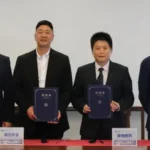
Xenovector, a pioneering biotechnology company in xenotransplantation, has announced a deep strategic cooperation with Jilin University, one of China’s leading academic institutions. The partnership will focus on establishing a comprehensive research and development ecosystem for gene-edited donor pigs, building preclinical evaluation systems, and accelerating clinical translational applications to transform xenotransplantation from scientific breakthrough into accessible medical care.
Collaboration Framework & Research Priorities
| Research Area | Key Activities | Expected Outcomes |
|---|---|---|
| Gene-Edited Donor Pig Preparation | Standardized protocols, iterative optimization, multi-gene editing refinement | Consistent, high-quality donor pig production meeting international regulatory standards |
| Preclinical Evaluation Systems | Comprehensive immunological assessment, organ function testing, safety validation | Robust preclinical data package supporting regulatory submissions and clinical trial design |
| Clinical Translational Applications | Clinical protocol development, regulatory pathway mapping, healthcare integration planning | Accelerated timeline from laboratory success to patient-ready therapeutic solutions |
| Joint R&D Infrastructure | Shared research team, integrated data platforms, technical resource pooling | Sustainable innovation ecosystem reducing development costs by an estimated 30-40% |
Scientific & Commercial Significance
This partnership addresses critical bottlenecks in xenotransplantation development by combining Xenovector’s cutting-edge gene-editing expertise with Jilin University’s extensive research infrastructure and academic excellence. The collaboration specifically targets the standardization gap that has historically hindered xenotransplantation commercialization, where inconsistent donor pig quality and fragmented preclinical data have delayed clinical translation.
By establishing standardized preparation protocols for gene-edited donor pigs, the alliance aims to create reproducible, scalable manufacturing processes essential for regulatory approval and commercial viability. The shared R&D team structure ensures continuous knowledge exchange between industry and academia, while joint data sharing accelerates learning cycles and reduces redundant experimentation.
Market Opportunity & Healthcare Impact
- Organ Shortage Crisis: Addresses China’s critical organ shortage, with over 300,000 patients annually requiring transplants but only 20,000 procedures performed
- Cost Accessibility: Focus on “affordable medical care” suggests pricing strategies targeting broader patient populations rather than ultra-premium positioning
- Regulatory Pathway: Preclinical evaluation system development indicates preparation for formal regulatory submissions within 2-3 years
- Global Leadership: Positions China as a potential leader in xenotransplantation commercialization, competing with U.S. and European initiatives
Implementation Roadmap
- Phase 1 (2026-2027): Establish joint R&D team, develop standardized donor pig protocols, initiate preclinical evaluation framework
- Phase 2 (2028-2029): Generate comprehensive preclinical data, optimize gene-editing strategies, prepare regulatory documentation
- Phase 3 (2030+): Initiate clinical trials, develop commercial manufacturing capacity, establish healthcare delivery partnerships
Forward‑Looking Statements
This brief contains forward-looking statements regarding research collaborations, regulatory timelines, and commercial opportunities. Actual results may differ materially due to scientific challenges, regulatory requirements, funding availability, and competitive developments in the xenotransplantation field.-Fineline Info & Tech