


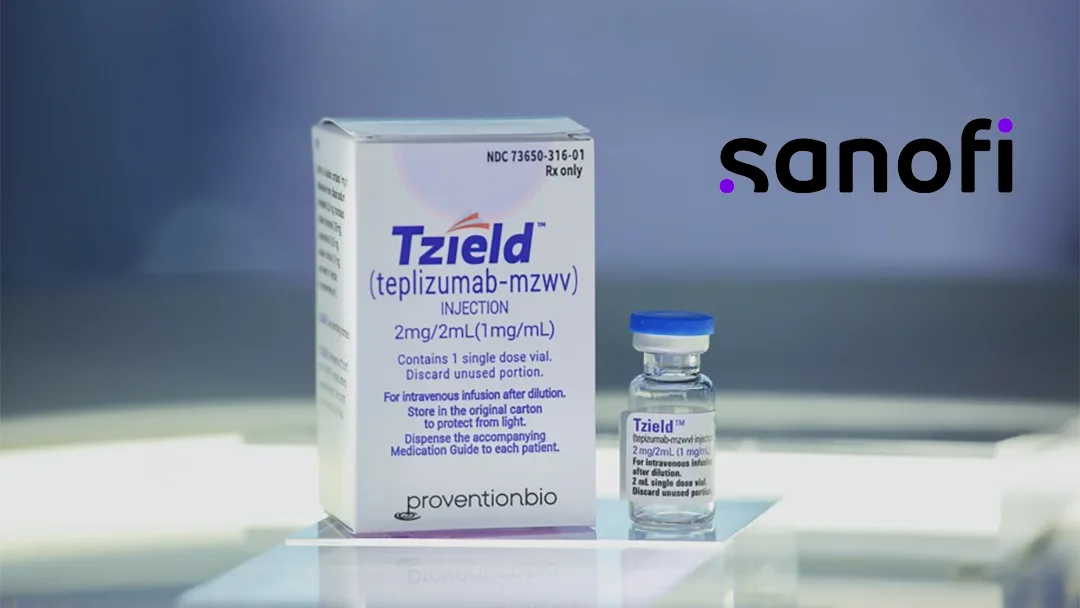
Tzield (teplizumab), the world’s first and only targeted therapy designed to delay the onset of type 1 diabetes, has been prescribed in the Boao Lecheng medical tourism pilot zone. The product, developed by French major Sanofi (NASDAQ: SNY), is suitable for delaying the progression of type 1 diabetes from stage 2 to stage 3 in adults and children aged 8 years and above.
Disease Progression
Type 1 diabetes progresses insidiously and is clinically divided into three stages. In stages 1 and 2, patients typically show no classic symptoms of diabetes, such as polyphagia, polydipsia, polyuria, and weight loss (the “three excesses and one deficiency”). By the time patients are urgently hospitalized due to severe symptoms like persistent nausea, vomiting, or coma—often leading to a “sudden diagnosis”—the disease has usually advanced to stage 3, with near-total loss of pancreatic islet function. Persistent hyperglycemia can trigger diabetic ketoacidosis (DKA), which may cause irreversible long-term damage, including brain injury and kidney failure.
Patient Population in China
Latest data shows that China has approximately 600,000 Type 1 diabetes patients, ranking third globally. The condition is most prevalent among children and adolescents aged 10–14, with incidence rates in this group nearly quadrupling over the past two decades.
Teplizumab Mechanism
Teplizumab is a monoclonal antibody (mAb) targeting CD3. It protects pancreatic islet β cells to delay the onset of type 1 diabetes for nearly 3 years. The therapy was approved in Lecheng in July of last year.-Fineline Info & Tech