



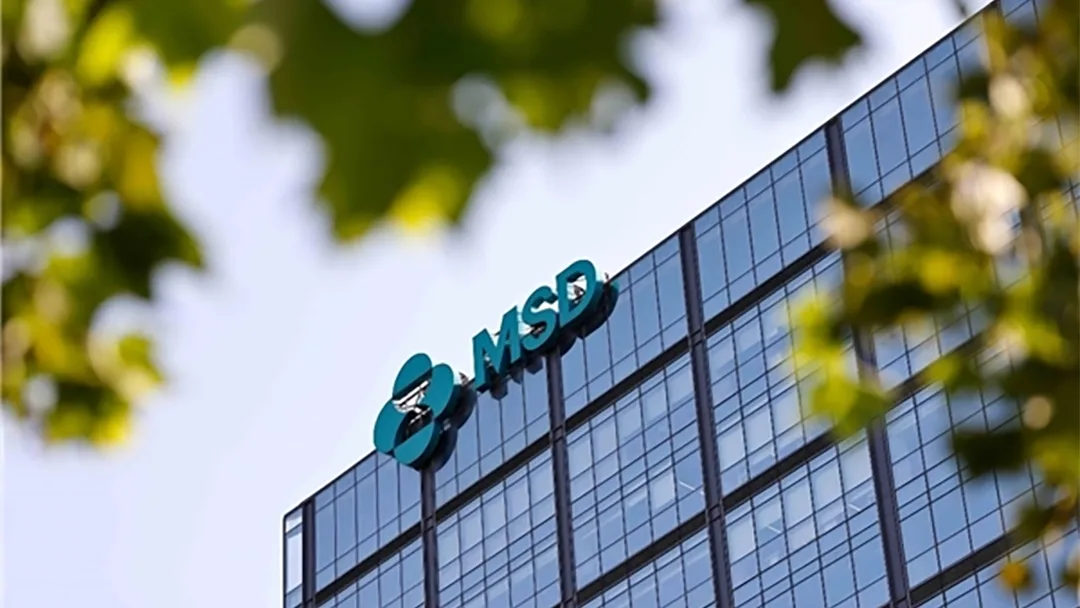
US-based Merck, Sharp & Dohme Inc. (MSD; NYSE: MRK) announced its Q2 2025 financial results, reporting a 2% year-on-year (YOY) decline in sales to USD 15.8 billion in constant exchange rate terms. Pharmaceutical sales decreased by 3% YOY to USD 14.05 billion. The results were in line with expectations, with vaccines and immunology cited as key factors dragging on growth, while oncology and cardiology provided positive momentum.
Keytruda Performance
The growth trajectory for Keytruda (pembrolizumab), a programmed death-1 (PD-1) inhibitor, continued to slow. Sales for Keytruda increased by 9% in both Q2 and the first half of 2025 (H1’25), reaching USD 7.96 billion and USD 15.16 billion respectively. This marks a continued deceleration in growth rates for this critical product.
Gardasil Sales Decline
Global sales of the human papillomavirus (HPV) vaccine Gardasil experienced a significant downturn, with a 55% YOY decline to USD 1.12 billion in Q2’25. CFO Caroline Litchfield highlighted during the earnings call that sales in China fell by approximately USD 1.3 billion, contributing to a 9 percentage point reduction in global growth. Excluding this impact, global growth stood at 7%. Litchfield noted that elevated channel inventories and soft demand in China have led to a suspension of shipments to the region, with no resumption planned until at least the end of the year.
Positive Product Launches
On a positive note, the company reported strong launches for Winrevair (sotatercept), a pulmonary arterial hypertension (PAH) drug, which generated USD 615 million in sales over the first half of the year. Additionally, the 21-valent pneumococcal conjugate vaccine Capvaxive achieved USD 236 million in H1 sales following its approval late last year.
Pipeline Cost-Savings Plan
In preparation for the potential loss of exclusivity for Keytruda, anticipated in 2028, Merck has initiated a new cost savings program. The program aims to generate USD 3 billion in cost savings, with a focus on optimizing the company’s pipeline. According to Litchfield, this multi-year initiative will involve portfolio management and reinvestment of the savings from lower-growth areas into higher-potential segments of the business.-Fineline Info & Tech