



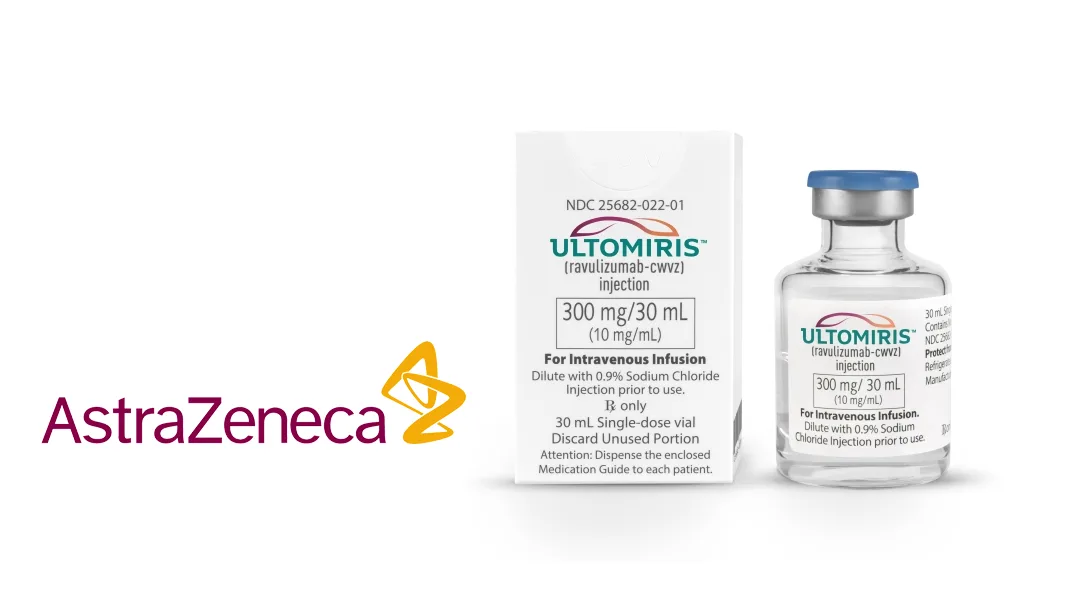
UK-based pharmaceutical giant AstraZeneca (AZ; NASDAQ: AZN) announced that China’s National Medical Products Administration (NMPA) has granted additional approval for Ultomiris (ravulizumab) for the treatment of adult patients with anti-aquaporin-4 (AQP4) antibody-positive neuromyelitis optica spectrum disorder (NMOSD). This approval expands the therapeutic applications of Ultomiris in China, further addressing unmet medical needs in rare neurological disorders.
Ravulizumab’s Mechanism and Previous Approval
Ravulizumab, a long-acting C5 complement inhibitor, was first approved by the NMPA in April 2025 for adult patients with acetylcholine receptor (AChR) antibody-positive generalized myasthenia gravis (gMG) in combination with conventional therapy. Its novel mechanism of action has demonstrated significant efficacy in managing conditions driven by complement system activation.
Clinical Trial Results Supporting Approval
The new approval for NMOSD is based on positive results from the Phase 3 CHAMPION-NMOSD study. The study showed that over a median treatment duration of 73 weeks, no relapses were observed in patients treated with ravulizumab, representing a 98.6% reduction in relapse risk. These results highlight the potential of Ultomiris to significantly improve outcomes for patients with this severe and rare neurological disorder.
Significance for Patients and Future Implications
This approval underscores AstraZeneca’s commitment to advancing treatments for rare diseases and provides a new therapeutic option for adult patients with anti-AQP4 antibody-positive NMOSD in China. The expanded use of Ultomiris is expected to contribute to better disease management and quality of life for patients affected by this condition.-Fineline Info & Tech