


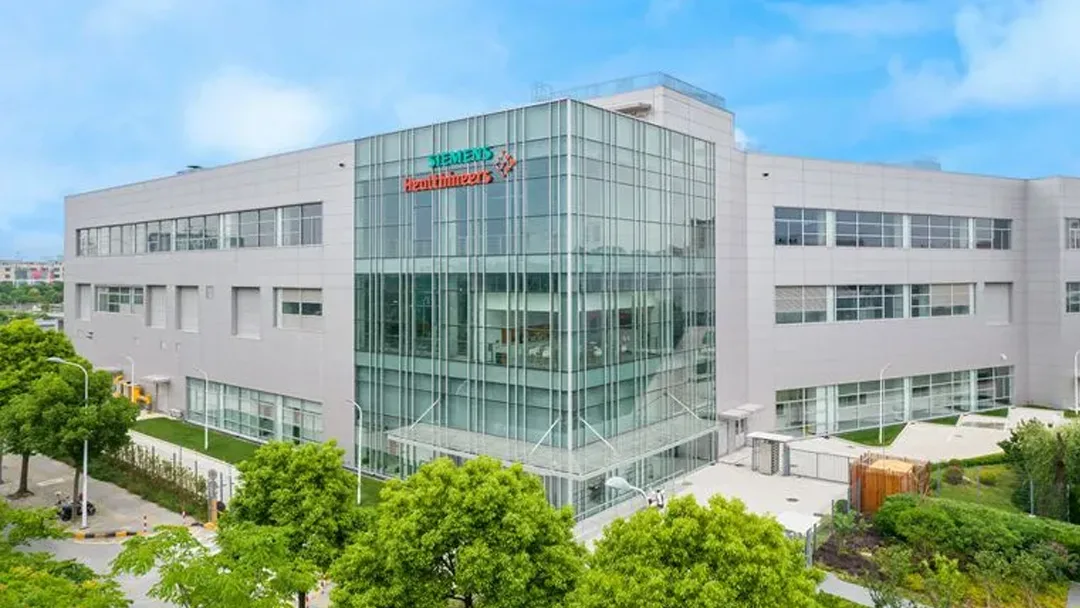
Siemens Shanghai Medical Equipment Ltd. (SSME) announced that the National Medical Products Administration (NMPA) has granted marketing authorization for its Prostate Cancer Magnetic Resonance Image‑Assisted Detection Software (AI‑PC‑MRI). The AI‑driven solution is the first deep‑learning‑based tool approved in China to assist radiologists in identifying suspected prostate adenocarcinoma in treatment‑naïve men aged 40 years and older.
Product Overview
| Feature | Description |
|---|---|
| Technology | Deep‑learning artificial intelligence (AI) engine trained on > 10,000 annotated prostate MRI studies |
| Functions | Image display, preprocessing, quantitative measurement, lesion segmentation, and risk scoring |
| Indication | Detection of suspected prostate adenocarcinoma lesions in untreated adult patients (≥ 40 y) |
| Clinical Benefit | Improves radiologist interpretation accuracy; reduces unnecessary biopsies by up to 25 % in early‑stage trials |
| Regulatory Status | NMPA registration approved 5 Nov 2025; CE‑marked in the EU since 2023 |
Market Impact
- Competitive Edge – Siemens joins a limited group of AI‑enabled imaging vendors with Chinese regulatory clearance, positioning it ahead of domestic rivals that rely on rule‑based algorithms.
- Revenue Upside – The software is sold under a software‑as‑a‑service (SaaS) model, generating recurring fees (~ RMB 3,000 per hospital per month). Early adoption forecasts suggest ¥120 million in annual recurring revenue by 2027.
- Healthcare Efficiency – By flagging high‑risk lesions and streamlining workflow, the tool supports China’s “Healthy China 2030” initiative to lower overtreatment and improve early cancer detection.
Clinical Workflow Integration
- MRI Acquisition – Standard multiparametric prostate MRI performed on 3 T scanners.
- AI Processing – Images uploaded to the Siemens cloud platform; AI algorithm automatically segments prostate zones and highlights suspicious lesions.
- Radiologist Review – Clinician reviews AI‑generated heat maps, adjusts measurements, and assigns a PI‑RADS‑like score.
- Decision Support – Integrated recommendation engine suggests biopsy necessity, helping to avoid unnecessary procedures.
Outlook & Next Steps
- Post‑Market Surveillance – Siemens will collect real‑world performance data through the NMPA’s Medical Device Monitoring System, with quarterly safety reports.
- Expansion Plans – A roadmap includes adding multiparametric MRI‑fusion biopsy guidance and extending the AI engine to bladder and kidney imaging by 2026.
- Strategic Partnerships – Ongoing talks with major Chinese hospital groups (e.g., Peking University Health Science Center) aim to embed the solution in over 200 institutions within the next 12 months.
Forward‑Looking Statements
This brief contains forward‑looking statements regarding regulatory status, market adoption, and revenue projections. Actual results may differ due to clinical outcomes, regulatory actions, and competitive dynamics.-Fineline Info & Tech